Introduction to Indian Home Decor Market
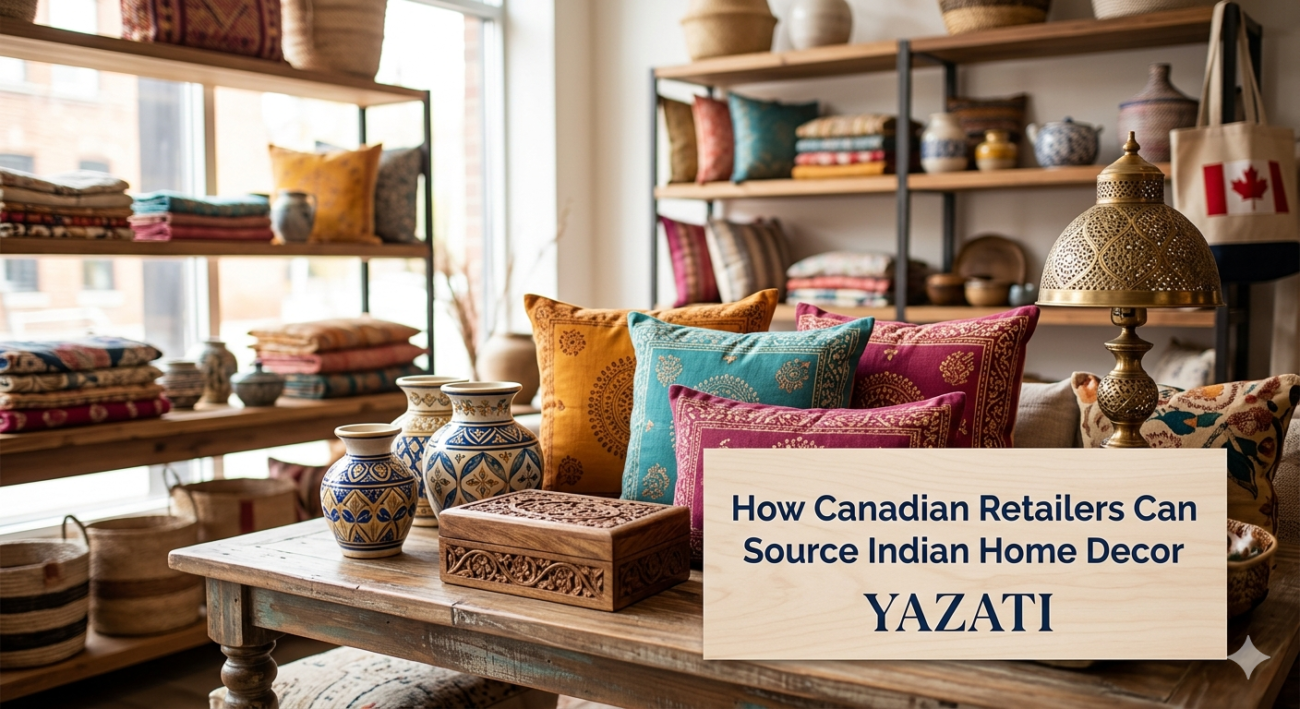
The global home decor market has seen a strong shift toward handmade, sustainable, and culturally rich products. That’s where Indian home decor stands out. From intricately carved wooden furniture to vibrant textiles, India offers a diverse range of products that appeal to modern consumers.
For retailers in Canada, sourcing from India is not just a trend—it’s a strategic move. With increasing demand for unique, artisanal goods, Indian decor fits perfectly into both boutique stores and large retail chains.
Why Indian Home Decor is Popular Globally
Indian decor has a timeless charm. It blends tradition with functionality, making it suitable for both classic and modern interiors.
Unique Craftsmanship and Cultural Appeal
Each item often tells a story. Whether it’s hand-block printed fabrics or brass artifacts, Indian artisans bring centuries-old techniques into every product. This authenticity creates a strong emotional connection with buyers.
Benefits for Canadian Retailers
Sourcing from India offers several advantages that go beyond just product variety.
High Profit Margins and Demand
Indian products are often cost-effective due to lower production costs. This allows Canadian retailers to enjoy healthy profit margins while still offering competitive prices.
Additionally, consumers in Canada are increasingly looking for unique and globally inspired home decor items, making Indian products highly desirable.
Sustainability and Handmade Value
Many Indian home decor items are eco-friendly and handmade. This aligns well with the growing consumer preference for sustainable living and ethical sourcing.
Understanding the Indian Home Decor Industry
Before diving into sourcing, it’s important to understand the structure of the industry.
Key Product Categories
Indian home decor includes a wide range of products:
- Wooden furniture
- Textiles (cushion covers, rugs, curtains)
- Metal handicrafts
- Ceramics and pottery
- Wall art and hangings
Regional Specialties in India
Different regions specialize in different crafts:
- Rajasthan: Handicrafts and textiles
- Uttar Pradesh: Brassware and woodwork
- Gujarat: Embroidery and textiles
- Kerala: Natural fiber products
Understanding these regions helps retailers source more effectively.
How Canadian Retailers Can Source Indian Home Decor Effectively
This is the core step where strategy meets execution.
Direct Sourcing from Manufacturers
Working directly with manufacturers helps reduce costs and ensures better control over customization. However, it requires careful vetting and communication.
Working with Export Houses
Export houses act as intermediaries. They simplify the process by handling logistics, quality checks, and documentation. This is ideal for beginners.
Online B2B Marketplaces
Platforms like IndiaMART, TradeIndia, and global marketplaces such as Alibaba make it easy to connect with suppliers. These platforms provide access to thousands of vendors with reviews and ratings.
Finding Reliable Suppliers in India
Choosing the right supplier can make or break your business.
Trade Shows and Exhibitions
Events like the Indian Handicrafts & Gifts Fair are excellent places to meet suppliers in person, evaluate products, and build relationships.
Supplier Verification Techniques
Always verify suppliers by:
- Checking certifications
- Requesting samples
- Reviewing client feedback
- Conducting factory audits
Pricing, Negotiation, and MOQ
Understanding pricing is key to profitability.
Understanding Cost Structures
Costs typically include:
- Product cost
- Packaging
- Shipping
- Duties and taxes
Knowing this breakdown helps you price your products competitively.
Negotiation Strategies
Negotiation is common in India. Start with smaller orders and gradually build trust to secure better pricing and terms.
Shipping, Logistics, and Import Regulations
Logistics can be complex but manageable with proper planning.
Freight Options (Air vs Sea)
- Air freight: Faster but more expensive
- Sea freight: Cost-effective for bulk orders
Most retailers prefer sea freight for large shipments.
Canadian Import Duties and Compliance
Ensure compliance with Canadian regulations, including labeling requirements and safety standards. You can check official guidelines on the Government of Canada website:
👉 https://www.cbsa-asfc.gc.ca
Quality Control and Product Standards
Maintaining quality is essential for brand reputation.
Inspection Methods
Use third-party inspection services to verify product quality before shipment.
Certifications and Compliance
Look for certifications related to safety, sustainability, and material standards.
Building Long-Term Supplier Relationships
Strong relationships lead to better deals and smoother operations.
Communication Best Practices
Be clear, consistent, and respectful in communication. Use written agreements to avoid misunderstandings.
Cultural Considerations
Understanding cultural nuances helps build trust. For example, relationship-building is highly valued in Indian business culture.
Branding and Selling Indian Decor in Canada
Once sourcing is set, the next step is selling effectively.
Target Market Strategies
Focus on:
- Urban consumers
- Eco-conscious buyers
- Interior design enthusiasts
Online vs Retail Sales Channels
- E-commerce platforms like Shopify
- Physical retail stores
- Social media marketplaces
A combination of channels often works best.
Common Challenges and How to Overcome Them
Every sourcing strategy comes with challenges.
Delays, Quality Issues, and Miscommunication
These are common but manageable with proper planning.
Risk Mitigation Strategies
- Work with trusted suppliers
- Use contracts
- Insure shipments
- Maintain buffer inventory
Future Trends in Indian Home Decor
The industry continues to evolve rapidly.
Sustainable and Eco-Friendly Products
Demand for bamboo, recycled materials, and organic textiles is growing.
Digital Sourcing Trends
Virtual trade shows and AI-powered sourcing platforms are making it easier to connect with suppliers globally.
FAQs
1. Is it profitable for Canadian retailers to source Indian home decor?
Yes, due to low production costs and high demand, profit margins can be significant.
2. What is the best way to find suppliers in India?
Trade shows, B2B platforms, and export houses are the most effective methods.
3. How long does shipping from India to Canada take?
Sea freight usually takes 4–8 weeks, while air freight takes 5–10 days.
4. Are Indian home decor products sustainable?
Many products are handmade and eco-friendly, making them highly sustainable.
5. What are the common risks in sourcing?
Quality issues, delays, and miscommunication are common but manageable.
6. Do I need import licenses in Canada?
It depends on the product category, but most decor items require standard import documentation.
Conclusion
Understanding how Canadian retailers can source Indian home decor is essential for tapping into a growing and profitable market. With the right approach—choosing reliable suppliers, managing logistics efficiently, and focusing on quality—retailers can build a successful and sustainable business.
Indian home decor offers a unique blend of tradition, craftsmanship, and affordability. For Canadian retailers looking to stand out in a competitive market, this sourcing strategy is not just smart—it’s transformative.
✨ Discover Global Sourcing Excellence with Netyex ✨
Netyex is your trusted B2B sourcing partner, connecting international buyers with India’s finest manufacturers and curated product lines—from handicrafts and home décor to kitchenware, textiles, hospitality essentials, and more. With verified suppliers and end-to-end support, we make global procurement seamless, reliable, and efficient.
👉 Elevate your sourcing experience—explore Netyex today.
📦 Bulk orders & customisation | 🌍 Worldwide delivery | 🤝 Trusted by global buyers
Visit Netyex to source premium Indian products with confidence.