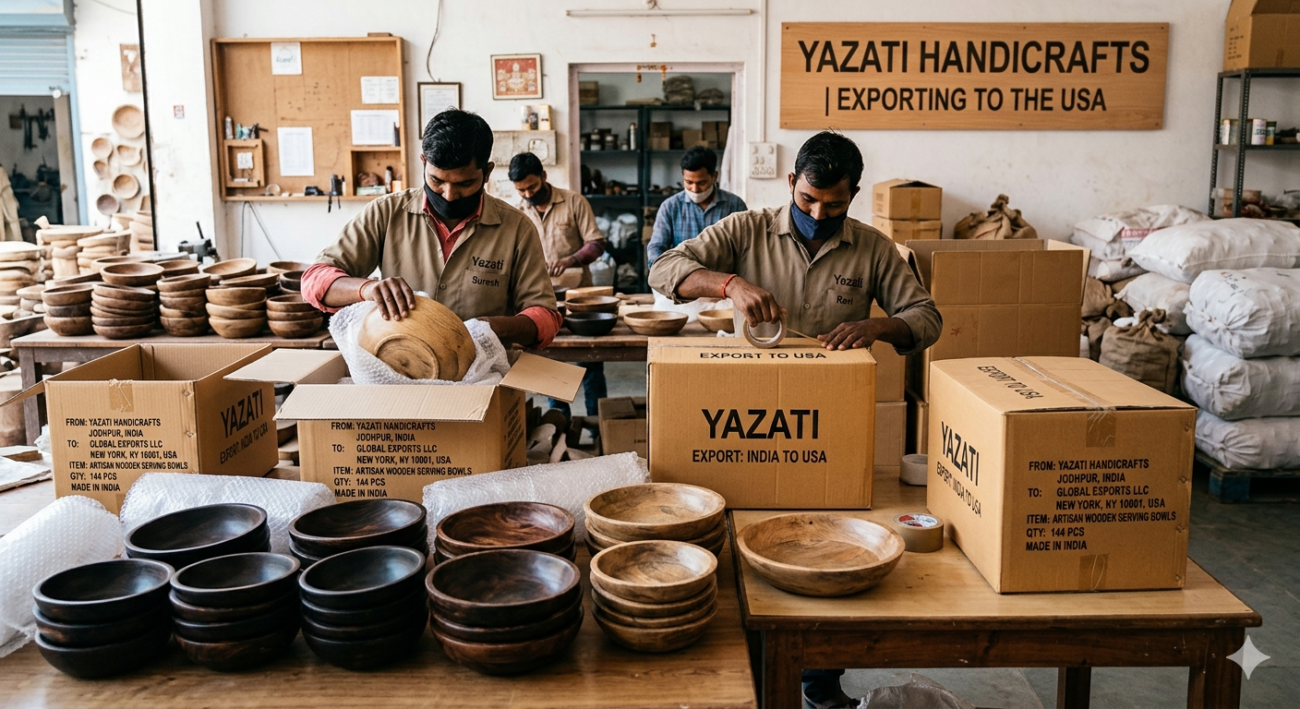
India has become a global hub for handcrafted wooden kitchenware, and one of the fastest-growing categories is wooden serving bowls. Many American consumers now prefer sustainable, handmade, and eco-friendly kitchen products over plastic alternatives. Because of this growing demand, learning How to Export Wooden Serving Bowls from India to the USA can become a highly profitable business opportunity.
From mango wood salad bowls to elegant acacia serving dishes, Indian manufacturers have a strong advantage due to skilled craftsmanship, competitive pricing, and abundant raw materials. However, exporting wooden products to the United States requires careful planning, legal compliance, quality standards, and effective logistics management.
This complete guide explains every major step involved in exporting wooden serving bowls successfully.
Understanding the Global Demand for Wooden Serving Bowls
The global kitchenware market has changed dramatically over the last decade. Consumers are now focusing more on sustainability, handmade craftsmanship, and natural materials.
Wooden serving bowls are especially popular because they are:
- Eco-friendly
- Stylish
- Durable
- Lightweight
- Safe for serving food
- Perfect for modern rustic décor
The USA market has shown strong growth in demand for:
- Salad bowls
- Fruit bowls
- Decorative serving bowls
- Handmade dining accessories
- Sustainable kitchenware
American retailers and online stores frequently import wooden kitchen products from India because Indian artisans provide unique handcrafted designs at competitive prices.
Why Indian Wooden Serving Bowls Are Popular in the USA
Handmade Craftsmanship Advantage
Indian artisans are known worldwide for wood carving and handcrafted products. States like Rajasthan, Uttar Pradesh, Gujarat, and Saharanpur specialize in wooden handicrafts and kitchenware manufacturing.
Each bowl often carries unique grain patterns and handcrafted detailing that mass-produced products cannot match.
Eco-Friendly and Sustainable Appeal
Sustainability is a major selling point in the USA market. Consumers prefer products made from renewable wood sources like:
- Mango wood
- Acacia wood
- Neem wood
- Rubber wood
Wooden serving bowls align perfectly with eco-conscious buying trends.
Types of Wooden Serving Bowls Exported from India
Mango Wood Bowls
Mango wood is highly popular because it is:
- Sustainable
- Affordable
- Durable
- Attractive in texture
These bowls are commonly used for salads, snacks, and fruit serving.
Acacia Wood Bowls
Acacia wood bowls are premium products known for:
- Rich grain texture
- High durability
- Water resistance
- Luxurious appearance
They are especially popular in upscale USA home décor stores.
Teak Wood Bowls
Teak bowls are heavier and more expensive but offer exceptional durability and moisture resistance.
Decorative and Salad Bowls
Many exporters also supply:
- Hand-painted bowls
- Resin-inlay bowls
- Carved decorative bowls
- Large serving platters
Customization increases product value significantly.
Researching the USA Market Before Exporting
Before starting exports, proper market research is essential.
Identifying Target Customers
Potential USA buyers include:
- Home décor stores
- Kitchenware wholesalers
- Amazon sellers
- Eco-friendly brands
- Restaurant suppliers
- Boutique retailers
Understanding your ideal customer helps create better pricing and marketing strategies.
Studying Competitors and Pricing
Research competing exporters from:
- Vietnam
- China
- Indonesia
- Thailand
Compare:
- Product quality
- Packaging
- Design trends
- Pricing structure
This helps position your products effectively.
Understanding Consumer Preferences
USA customers generally prefer:
- Minimalist designs
- Natural wood finishes
- Food-safe coatings
- Sustainable packaging
- Handmade authenticity
Products that combine functionality with aesthetics perform best.
Legal Requirements to Export Wooden Serving Bowls from India
Starting an export business legally is critical.
Obtain an IEC Code
An Import Export Code (IEC) issued by the Directorate General of Foreign Trade is mandatory for exporting goods from India.
Without IEC registration, you cannot legally export products.
GST Registration
GST registration is necessary for tax compliance and claiming export benefits.
Register with Export Promotion Councils
You should register with organizations like:
- Export Promotion Council for Handicrafts (EPCH)
- Federation of Indian Export Organisations (FIEO)
These organizations help exporters connect with international buyers.
USA Import Regulations for Wooden Products
Exporting wooden serving bowls to the USA requires strict compliance.
USDA and APHIS Guidelines
The United States Department of Agriculture and APHIS regulate wooden imports to prevent pests and contamination.
Wood products may require:
- Heat treatment
- Pest-free certification
- Proper fumigation
FDA Considerations for Food Contact Products
Since serving bowls are used with food, they should comply with food-contact safety standards.
Use only:
- Food-safe oils
- Non-toxic finishes
- Lead-free coatings
Phytosanitary Compliance
Some shipments may require phytosanitary certificates confirming the wood is pest-free.
Always check updated import regulations before shipment.
For official guidelines, visit:
Choosing the Right Wood and Finishing Standards
Quality plays a major role in export success.
Food-Safe Coatings
Avoid harmful chemicals in wooden bowls.
Common food-safe finishes include:
- Mineral oil
- Beeswax
- Coconut oil
- FDA-approved coatings
Moisture Control
Improper moisture levels can cause:
- Cracking
- Warping
- Mold growth
Most exporters maintain wood moisture between 8%–12%.
Quality Inspection Standards
Inspect products for:
- Smooth finishing
- Crack resistance
- Uniform polishing
- Accurate dimensions
International buyers expect consistent quality.
Product Design and Customization Trends
Modern USA buyers love customized products.
Popular trends include:
- Rustic farmhouse styles
- Minimal Scandinavian designs
- Personalized engraved bowls
- Resin art combinations
- Matte finishes
- Natural unfinished textures
Offering customization helps attract premium buyers.
Finding Buyers in the USA
Finding reliable buyers is one of the most important steps in How to Export Wooden Serving Bowls from India to the USA.
B2B Marketplaces
Popular export marketplaces include:
- Alibaba
- IndiaMART
- Global Sources
- TradeIndia
These platforms help generate international leads quickly.
Trade Shows and Exhibitions
Attend international trade fairs such as:
- NY NOW
- Ambiente
- IHGF Delhi Fair
Trade fairs help build long-term buyer relationships.
Direct Outreach to Retailers
You can directly contact:
- Kitchenware stores
- Eco-friendly brands
- Boutique retailers
- Restaurant suppliers
Create a professional catalog and website before outreach.
Pricing Strategy for Wooden Serving Bowls
Pricing determines profitability and competitiveness.
FOB vs CIF Pricing
FOB (Free on Board)
The buyer handles shipping after goods leave the Indian port.
CIF (Cost, Insurance, Freight)
The exporter includes shipping and insurance costs.
Many new exporters start with FOB pricing.
Profit Margin Calculation
Include these costs:
- Raw material
- Labor
- Finishing
- Packaging
- Freight
- Customs
- Marketing
- Platform fees
A healthy export margin usually ranges between 20%–40%.
Packaging Requirements for Export
Proper packaging prevents damage during shipping.
Sustainable Packaging
Eco-friendly packaging improves brand appeal.
Use:
- Recycled cardboard
- Kraft paper
- Biodegradable fillers
Export Carton Standards
Strong cartons are essential for sea shipments.
Packaging should include:
- Product labels
- Country of origin
- Quantity details
- Fragile handling instructions
Shipping and Logistics Process
Efficient logistics improve customer satisfaction.
Air Freight vs Sea Freight
Air Freight
Best for:
- Small urgent shipments
- Samples
- High-value products
Sea Freight
Best for:
- Bulk shipments
- Lower shipping costs
- Large orders
Most wooden serving bowl exporters prefer sea freight.
Choosing a Freight Forwarder
A good freight forwarder helps manage:
- Customs clearance
- Documentation
- Shipping coordination
- Insurance
Choose experienced exporters familiar with wooden products.
Export Documentation Checklist
Essential export documents include:
| Document | Purpose |
| Commercial Invoice | Buyer billing |
| Packing List | Shipment details |
| Bill of Lading | Shipping proof |
| Certificate of Origin | Product origin verification |
| Phytosanitary Certificate | Pest-free certification |
| Insurance Certificate | Cargo protection |
Accurate paperwork avoids customs delays.
Payment Methods and Risk Management
International payment security is critical.
Common payment methods include:
- Advance payment
- Letter of Credit (LC)
- PayPal for samples
- Telegraphic Transfer (TT)
For new buyers, partial advance payments reduce financial risk.
Export credit insurance can also protect against buyer defaults.
Marketing Your Wooden Serving Bowls Internationally
Strong branding increases export sales.
Important marketing strategies include:
- Professional product photography
- SEO-optimized website
- Instagram marketing
- Pinterest marketing
- Amazon USA selling
- LinkedIn outreach
Highlight features like:
- Handmade
- Sustainable
- Food-safe
- Eco-friendly
- Artisan-crafted
Storytelling adds emotional value to handcrafted products.
Common Challenges in Exporting Wooden Products
Exporters may face several challenges:
- Shipping delays
- Moisture damage
- Import regulation changes
- High freight costs
- Product breakage
- Buyer negotiation pressure
Proper planning minimizes these risks.
Future Opportunities in the Wooden Kitchenware Market
The future looks promising for Indian exporters.
Growing trends include:
- Sustainable dining
- Zero-waste kitchens
- Handmade home décor
- Ethical sourcing
- Premium gifting products
Demand for natural wooden products is expected to continue rising globally.
Exporters who focus on branding, quality, and compliance can build long-term profitable businesses.
Frequently Asked Questions
Is exporting wooden serving bowls from India profitable?
Yes. Profit margins can be strong because Indian manufacturing costs are competitive while USA retail prices are significantly higher.
Which wood is best for serving bowls?
Mango wood and acacia wood are among the most popular choices due to durability and sustainability.
Do wooden bowls need FDA approval?
Generally, the product itself may not require FDA approval, but food-contact safety standards must be followed.
Can I sell wooden serving bowls on Amazon USA?
Yes. Many Indian exporters successfully sell through Amazon FBA and private-label brands.
What is the minimum investment to start exporting?
Small-scale exports can start with relatively low investment, especially through online marketplaces and sample-based orders.
Do I need fumigation certificates for wooden bowls?
In many cases, yes. Buyers or customs authorities may request phytosanitary or fumigation certification.
Conclusion
Learning How to Export Wooden Serving Bowls from India to the USA opens the door to a growing international business opportunity. With increasing global demand for eco-friendly and handcrafted kitchenware, Indian exporters are in a strong position to succeed.
Success depends on several factors:
- Product quality
- Compliance with USA import rules
- Attractive packaging
- Competitive pricing
- Strong buyer relationships
- Effective digital marketing
By focusing on craftsmanship, sustainability, and professionalism, exporters can build a long-lasting and profitable wooden kitchenware business in the international market.
✨ Discover Global Sourcing Excellence with Netyex ✨
Netyex is your trusted B2B sourcing partner, connecting international buyers with India’s finest manufacturers and curated product lines—from handicrafts and home décor to kitchenware, textiles, hospitality essentials, and more. With verified suppliers and end-to-end support, we make global procurement seamless, reliable, and efficient.
👉 Elevate your sourcing experience—explore Netyex today.
📦 Bulk orders & customisation | 🌍 Worldwide delivery | 🤝 Trusted by global buyers
Visit Netyex to source premium Indian products with confidence.