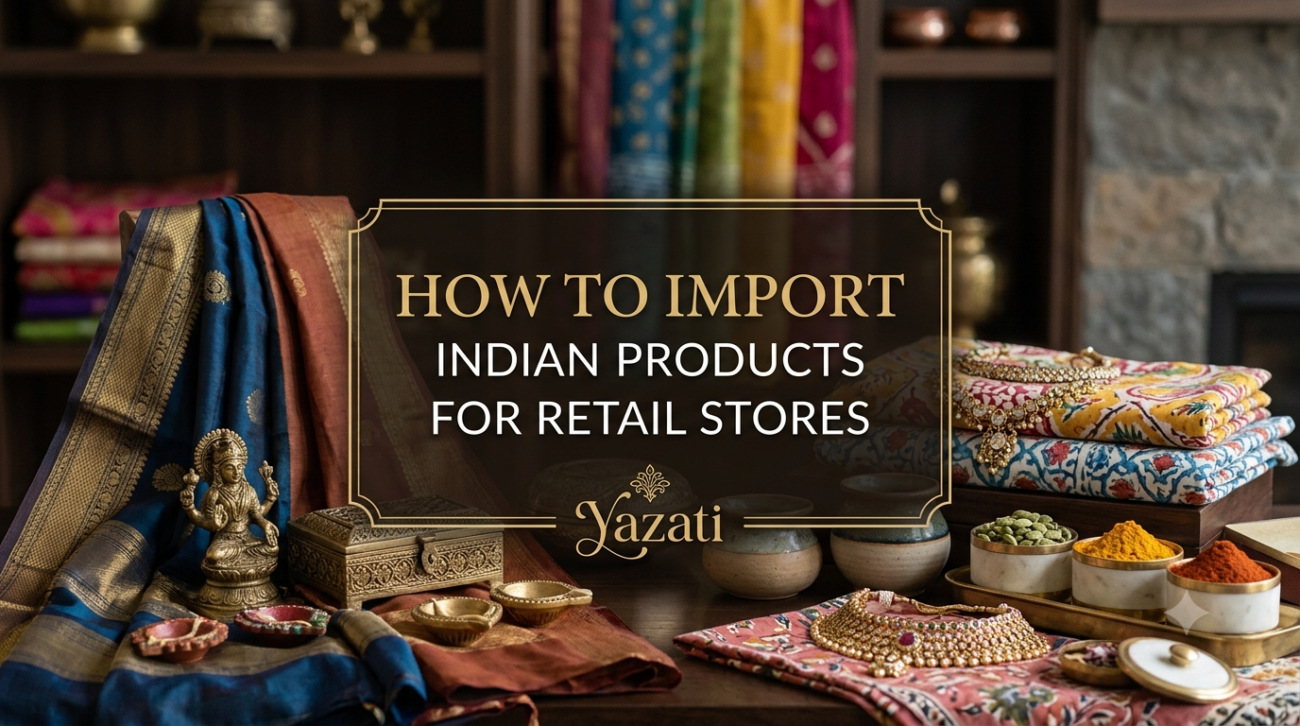
Importing products from India can be an excellent way for retail stores to offer unique, high-quality merchandise at competitive prices. India is known for its diverse manufacturing industries, including textiles, handicrafts, jewelry, home décor, leather goods, spices, and wellness products. With the right strategy, retailers can build strong supplier relationships, maintain healthy profit margins, and differentiate themselves from competitors.
How to Import Indian Products for Retail Stores
Learning How to Import Indian Products for Retail Stores involves much more than finding a supplier and placing an order. Successful importing requires planning, understanding regulations, ensuring product quality, arranging logistics, and building long-term supplier relationships.
Whether you operate a boutique, gift shop, online store, or large retail chain, importing from India can significantly expand your product offerings.
Why Import Products from India
India has become one of the world’s leading manufacturing and exporting nations. Retailers benefit from:
- Competitive manufacturing costs
- Skilled craftsmanship
- Large product selection
- Custom manufacturing options
- Sustainable and handmade products
- Growing export infrastructure
Many retailers choose India because they can source unique items unavailable from domestic wholesalers.
Best Product Categories to Import
Some of India’s strongest export sectors include:
Textiles and Apparel
- Cotton clothing
- Scarves
- Bed linens
- Towels
- Organic fabrics
Handicrafts
Indian artisans produce:
- Wooden décor
- Brass items
- Marble products
- Handmade gifts
- Decorative lighting
Home Décor
Popular retail products include:
- Rugs
- Cushion covers
- Wall art
- Ceramic pottery
- Candles
Jewelry
India exports:
- Silver jewelry
- Fashion accessories
- Gemstone jewelry
- Handmade bracelets
Food Products
Subject to your country’s food import regulations, you may source:
- Tea
- Coffee
- Spices
- Rice
- Snacks
Understanding Import Regulations
Before importing, research your country’s:
- Import licensing requirements
- Product safety standards
- Labeling regulations
- Packaging rules
- Customs documentation
- Restricted products list
Working with a customs broker can simplify compliance and reduce delays.
Finding Reliable Indian Suppliers
Finding trustworthy manufacturers is one of the most important steps.
Look for suppliers through:
- Trade shows
- Export promotion councils
- B2B marketplaces
- Industry associations
- Government export directories
- Referrals from other importers
Supplier Verification
Always verify:
- Business registration
- Export license
- GST registration (if applicable)
- Factory location
- Years in business
- Customer references
Request product samples before committing to large orders.
Factory Audits
If possible, conduct:
- Factory inspections
- Social compliance audits
- Quality system evaluations
- Production capability assessments
Third-party inspection companies can perform these audits if you cannot visit in person.
Negotiating Prices and Terms
Successful negotiations should include:
- Minimum order quantity (MOQ)
- Unit pricing
- Packaging costs
- Shipping responsibilities
- Payment schedule
- Lead times
- Warranty policies
Common payment methods include:
- Bank transfers
- Letters of credit
- Secure trade assurance services
Avoid paying 100% upfront for first-time suppliers unless there is a strong basis for trust.
Shipping Methods
Air Freight
Advantages:
- Fast delivery
- Lower inventory waiting time
- Suitable for high-value products
Disadvantages:
- Higher shipping costs
- Less economical for bulky goods
Sea Freight
Advantages:
- Lower transportation cost
- Ideal for large shipments
- Better profit margins
Disadvantages:
- Longer transit times
- More planning required
Choose shipping based on product value, urgency, and order size.
Customs and Duties
Every shipment typically requires:
- Commercial invoice
- Packing list
- Bill of lading or air waybill
- Certificate of origin (when applicable)
- Import declarations
- Duty and tax payments
Understanding tariff classifications can help estimate landed costs accurately.
Product Quality Control
Quality inspections should occur:
- Before production
- During production
- Before shipment
Inspect:
- Dimensions
- Packaging
- Materials
- Labels
- Functionality
- Color consistency
Consistent inspections reduce costly returns and protect your store’s reputation.
Inventory Management
Efficient inventory management helps avoid stock shortages and overstocking.
Best practices include:
- Forecast seasonal demand
- Maintain safety stock
- Track supplier lead times
- Monitor sales trends
- Use inventory management software
- Reorder based on data rather than guesswork
Marketing Imported Products
Customers often appreciate the story behind imported goods.
Highlight:
- Handmade craftsmanship
- Sustainable production
- Traditional techniques
- Fair trade practices (where verified)
- Regional heritage
- Premium materials
Use product descriptions, in-store displays, and social media to educate customers and justify premium pricing.
Common Mistakes to Avoid
Avoid these common pitfalls:
- Choosing suppliers based only on the lowest price.
- Skipping product samples.
- Ignoring quality inspections.
- Underestimating shipping costs.
- Failing to calculate total landed cost.
- Ordering excessive inventory initially.
- Not understanding import regulations.
- Poor communication with suppliers.
Starting with a smaller trial order can help validate product quality and supplier reliability before scaling up.
Frequently Asked Questions
1. Is importing from India profitable for retail stores?
Yes. Many retailers achieve attractive margins because India offers competitive manufacturing costs and unique products, provided shipping, duties, and other landed costs are carefully managed.
2. What is the best product to import from India?
Popular categories include textiles, home décor, handicrafts, jewelry, leather goods, spices, and wellness products. The best choice depends on your target customers and local demand.
3. How do I find trustworthy Indian suppliers?
Use reputable trade shows, government export directories, industry associations, and established B2B platforms. Verify business credentials, request samples, and seek references before placing large orders.
4. How long does shipping from India usually take?
Air freight can take around 3–10 days, while sea freight commonly ranges from 20–45 days depending on the destination, carrier, and customs processing.
5. Do I need an import license?
Requirements vary by country and product type. Check with your local customs authority or consult a licensed customs broker to confirm what applies to your business.
6. How can I reduce import risks?
Work with verified suppliers, start with smaller orders, use written contracts, conduct quality inspections, insure shipments, and maintain clear communication throughout production and shipping.
Conclusion
Understanding How to Import Indian Products for Retail Stores can open the door to distinctive merchandise, competitive pricing, and stronger customer appeal. Success depends on thorough supplier vetting, careful planning, compliance with import regulations, effective logistics, and consistent quality control. By starting with manageable orders, calculating your true landed costs, and building reliable supplier partnerships, you can create a sustainable import strategy that supports long-term retail growth.
For additional guidance on international trade and customs, consult your country’s customs authority or the relevant government trade resources.
✨ Discover Global Sourcing Excellence with Netyex ✨
Netyex is your trusted B2B sourcing partner, connecting international buyers with India’s finest manufacturers and curated product lines—from handicrafts and home décor to kitchenware, textiles, hospitality essentials, and more. With verified suppliers and end-to-end support, we make global procurement seamless, reliable, and efficient.
👉 Elevate your sourcing experience—explore Netyex today.
📦 Bulk orders & customisation | 🌍 Worldwide delivery | 🤝 Trusted by global buyers
Visit Netyex to source premium Indian products with confidence.