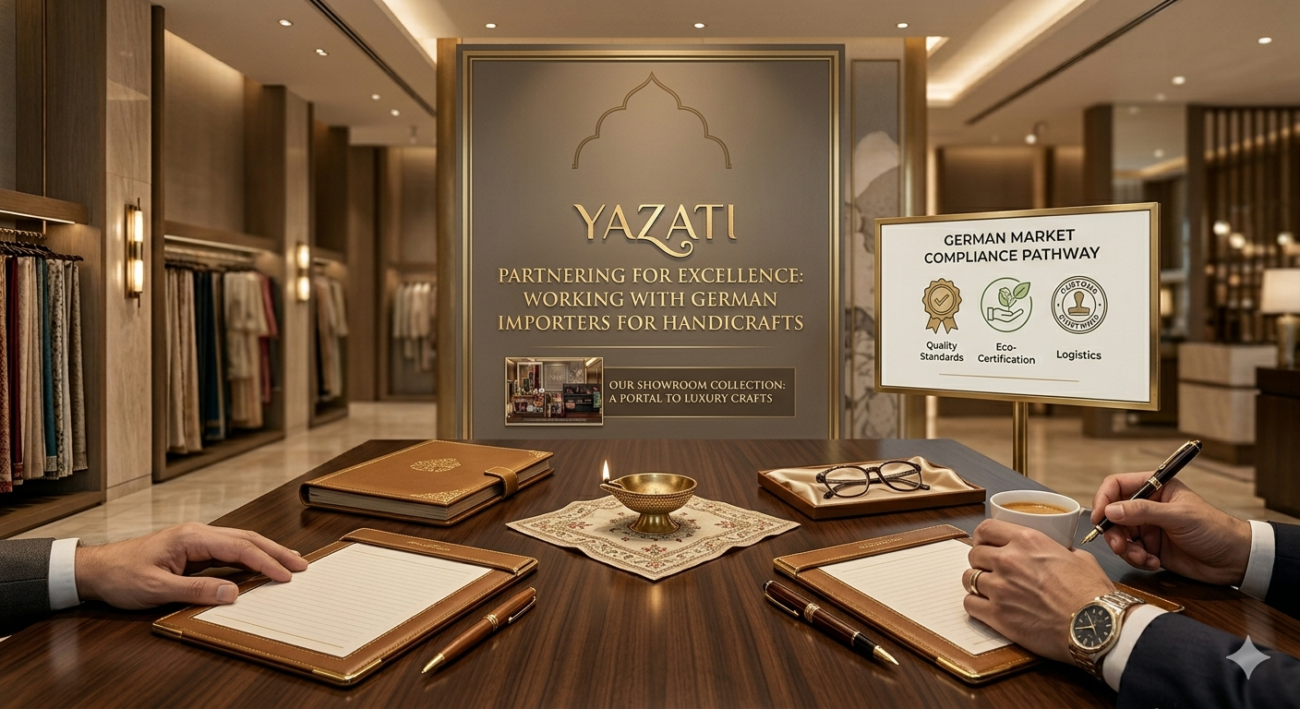
Germany is one of Europe’s largest importers of handmade and artisan products. From wooden décor and ceramic items to textile crafts and eco-friendly home accessories, German buyers actively source high-quality handicrafts from countries around the world. If you are an artisan, manufacturer, or exporter, learning How to Work with German Importers for Handicrafts can help you expand your business internationally and build profitable long-term partnerships.
German importers are known for professionalism, strict quality standards, and strong business ethics. While entering the German market may seem challenging at first, the right strategy can make your handicraft business highly competitive and successful.
In this guide, you will discover practical tips, proven export strategies, and professional insights that can help you confidently approach German importers and grow your handicraft export business.
Understanding the German Handicraft Market
Germany has a mature retail and wholesale sector that values craftsmanship, sustainability, and authentic handmade products. Understanding buyer expectations is the first step toward success.
Why Germany Imports Handicrafts from Developing Countries
German companies import handicrafts because consumers increasingly prefer handmade products with cultural value. Buyers often seek:
- Eco-friendly home décor
- Handmade textiles
- Natural fiber products
- Artisan furniture
- Ethical fashion accessories
- Recycled and sustainable crafts
Many German retailers work directly with artisans and small manufacturers because customers appreciate originality and fair-trade products.
Popular Handicraft Categories in Germany
Some of the most in-demand handicrafts include:
| Product Category | Popularity in Germany |
| Handmade baskets | High |
| Ceramic décor | High |
| Wooden handicrafts | Very High |
| Eco-friendly textiles | Growing |
| Handmade candles | High |
| Recycled craft products | Growing rapidly |
Seasonal items, especially Christmas decorations, are also extremely popular in the German market.
Why German Buyers Prefer Professional Suppliers
German importers usually prefer suppliers who demonstrate professionalism from the beginning.
Importance of Reliability and Consistency
German businesses value punctuality and consistency. Delivering products on time and maintaining stable quality can significantly improve your reputation.
Importers expect suppliers to:
- Meet deadlines
- Follow specifications accurately
- Maintain clear communication
- Deliver consistent product quality
- Provide transparent pricing
A supplier who repeatedly misses deadlines may quickly lose business opportunities.
Quality Expectations of German Importers
Quality standards in Germany are very high. Products with defects, poor finishing, or inconsistent sizing may be rejected.
German buyers carefully inspect:
- Material quality
- Product durability
- Packaging standards
- Color consistency
- Safety compliance
- Eco-friendly materials
Before shipping products, conduct thorough quality inspections to avoid disputes later.
Researching German Importers for Handicrafts
Finding the right buyers is one of the most important parts of export success.
Best Online Platforms to Find Importers
Several B2B platforms can help you connect with German importers:
- Alibaba
- Europages
- Global Sources
- IndiaMART
- TradeKey
You can also use the official German business directory and chambers of commerce websites.
A helpful external resource is the for international trade information.
Trade Fairs and International Exhibitions
Trade fairs are excellent opportunities to meet serious buyers.
Ambiente Frankfurt
Ambiente is one of the world’s largest trade fairs for home décor, gifts, and handicrafts.
Thousands of importers attend this event each year looking for:
- Handmade products
- Sustainable crafts
- Interior décor items
- Artisan accessories
Tendence and Regional Trade Events
Regional exhibitions across Germany also provide networking opportunities for small exporters and artisans.
Attending trade fairs helps you:
- Understand market trends
- Meet buyers face-to-face
- Analyze competitor pricing
- Build long-term relationships
Preparing Your Handicraft Business for Export
Before approaching importers, your business should look professional and export-ready.
Product Catalog and Professional Photography
A well-designed digital catalog creates a strong first impression.
Your catalog should include:
- Product names
- Dimensions
- Materials used
- MOQ (Minimum Order Quantity)
- Pricing
- Packaging details
- High-quality images
Professional photography is essential because German buyers often judge products visually before requesting samples.
Packaging and Labeling Standards
Packaging matters greatly in Germany.
Good export packaging should be:
- Durable
- Eco-friendly
- Moisture resistant
- Barcode-ready
- Professionally labeled
Many German buyers prefer recyclable packaging materials due to environmental concerns.
Certifications and Sustainability
Sustainability is becoming increasingly important in Europe.
Popular certifications include:
- Fair Trade
- FSC Certification
- Organic certifications
- Eco-labels
If your products are handmade using natural or recycled materials, highlight this clearly in your marketing.
How to Price Handicrafts for German Buyers
Pricing can determine whether a buyer chooses your business or another supplier.
Understanding Wholesale Pricing
German importers expect competitive wholesale rates while maintaining high quality.
When calculating pricing, include:
- Raw material costs
- Labor costs
- Packaging expenses
- Shipping charges
- Customs duties
- Profit margins
Avoid underpricing because it may create doubts about quality.
Shipping and Logistics Costs
Shipping costs significantly affect final pricing.
Common shipping methods include:
| Shipping Method | Best For |
| Air Freight | Small urgent orders |
| Sea Freight | Bulk shipments |
| Courier Services | Samples |
Work with reliable freight forwarders experienced in European exports.
Building Trust with German Importers
Trust is essential in international trade relationships.
Communication Etiquette
German business communication is usually formal, direct, and professional.
Tips for communication:
- Reply quickly to emails
- Use clear and concise language
- Avoid exaggerated claims
- Be honest about production timelines
- Keep documentation organized
Professionalism creates confidence.
Timely Responses and Documentation
German buyers appreciate organized suppliers.
Important documents include:
- Commercial invoices
- Packing lists
- Certificates of origin
- Shipping documents
- Product specifications
Missing paperwork can delay customs clearance and damage relationships.
Negotiating Contracts and Payment Terms
Strong agreements help protect both parties.
Common Payment Methods
Common international payment methods include:
| Payment Method | Risk Level |
| Advance Payment | Low risk for exporter |
| Letter of Credit | Secure for both parties |
| Bank Transfer | Common for repeat buyers |
| Open Account | Higher exporter risk |
New exporters often begin with partial advance payments.
Minimum Order Quantities
German importers usually negotiate MOQs carefully.
Flexible MOQs can help attract first-time buyers. Once trust develops, order volumes often increase.
Quality Control for Export Handicrafts
Maintaining consistent quality is critical for repeat business.
Product Inspection Before Shipment
Inspect products carefully before dispatch.
Check for:
- Breakage
- Color variation
- Sharp edges
- Incorrect dimensions
- Weak packaging
Third-party inspections may also help build buyer confidence.
Handling Complaints Professionally
Even good suppliers occasionally face complaints.
When problems arise:
- Respond quickly
- Stay polite
- Investigate the issue
- Offer solutions
- Improve future production
Professional complaint handling can actually strengthen relationships.
Marketing Your Handicrafts to German Buyers
Marketing plays a major role in international sales growth.
Creating a Strong Brand Story
German consumers value authenticity and ethical production.
Share your story:
- Artisan traditions
- Handmade production methods
- Social impact
- Sustainable sourcing
- Cultural heritage
A compelling story helps your products stand out.
Using LinkedIn and B2B Portals
LinkedIn can be highly effective for connecting with buyers.
Tips for online marketing:
- Post product photos regularly
- Share manufacturing videos
- Highlight certifications
- Publish sustainability updates
- Network with importers
Consistency improves visibility.
Challenges Exporters Face in Germany
Exporting to Germany offers excellent opportunities, but challenges also exist.
Language and Cultural Barriers
Although many Germans speak English, understanding cultural expectations helps greatly.
German buyers generally prefer:
- Accuracy
- Formal communication
- Clear contracts
- Detailed planning
Avoid overly casual business behavior.
Delayed Deliveries and Compliance Issues
Late shipments can seriously damage your reputation.
Common problems include:
- Production delays
- Customs documentation errors
- Packaging non-compliance
- Freight disruptions
Careful planning reduces these risks.
Digital Trends in the German Handicraft Industry
Consumer preferences continue evolving.
Eco-Friendly and Ethical Products
Sustainability is now a major purchasing factor in Germany.
Consumers increasingly prefer:
- Plastic-free products
- Organic materials
- Fair-trade goods
- Recycled packaging
- Handmade products
Exporters who emphasize sustainability often gain a competitive advantage.
Handmade and Sustainable Consumer Trends
Online marketplaces and boutique retailers continue growing across Germany.
Popular trends include:
- Minimalist home décor
- Natural textures
- Handmade ceramics
- Ethical gifting
- Artisan lifestyle products
Understanding these trends can help you design products that appeal directly to German consumers.
FAQs
1. What do German importers look for in handicraft suppliers?
German importers mainly look for consistent quality, timely delivery, professional communication, competitive pricing, and sustainable production practices.
2. How can I find German buyers for handicrafts?
You can find buyers through trade fairs, B2B marketplaces, LinkedIn, export promotion councils, and industry directories.
3. Do I need certifications to export handicrafts to Germany?
Not always, but sustainability and fair-trade certifications can improve buyer trust and increase sales opportunities.
4. What packaging standards are important in Germany?
German buyers prefer strong, recyclable, eco-friendly packaging with clear labeling and professional presentation.
5. Is Germany a good market for handmade products?
Yes. Germany has strong demand for authentic, eco-friendly, and ethically produced handicrafts.
6. What payment methods are safest for exporters?
Letters of credit and advance payments are generally safer for new exporters.
Conclusion
Learning How to Work with German Importers for Handicrafts requires preparation, professionalism, and consistency. German buyers value reliability, quality, sustainability, and clear communication. Exporters who understand these expectations can build strong long-term partnerships and grow steadily in the European market.
Success does not happen overnight, but businesses that invest in product quality, professional branding, sustainable production, and strong customer relationships often achieve excellent results in Germany.
Whether you are a small artisan business or an established manufacturer, the German handicraft market offers tremendous opportunities for exporters willing to meet international standards and adapt to evolving consumer trends.
✨ Discover Global Sourcing Excellence with Netyex ✨
Netyex is your trusted B2B sourcing partner, connecting international buyers with India’s finest manufacturers and curated product lines—from handicrafts and home décor to kitchenware, textiles, hospitality essentials, and more. With verified suppliers and end-to-end support, we make global procurement seamless, reliable, and efficient.
👉 Elevate your sourcing experience—explore Netyex today.
📦 Bulk orders & customisation | 🌍 Worldwide delivery | 🤝 Trusted by global buyers
Visit Netyex to source premium Indian products with confidence.