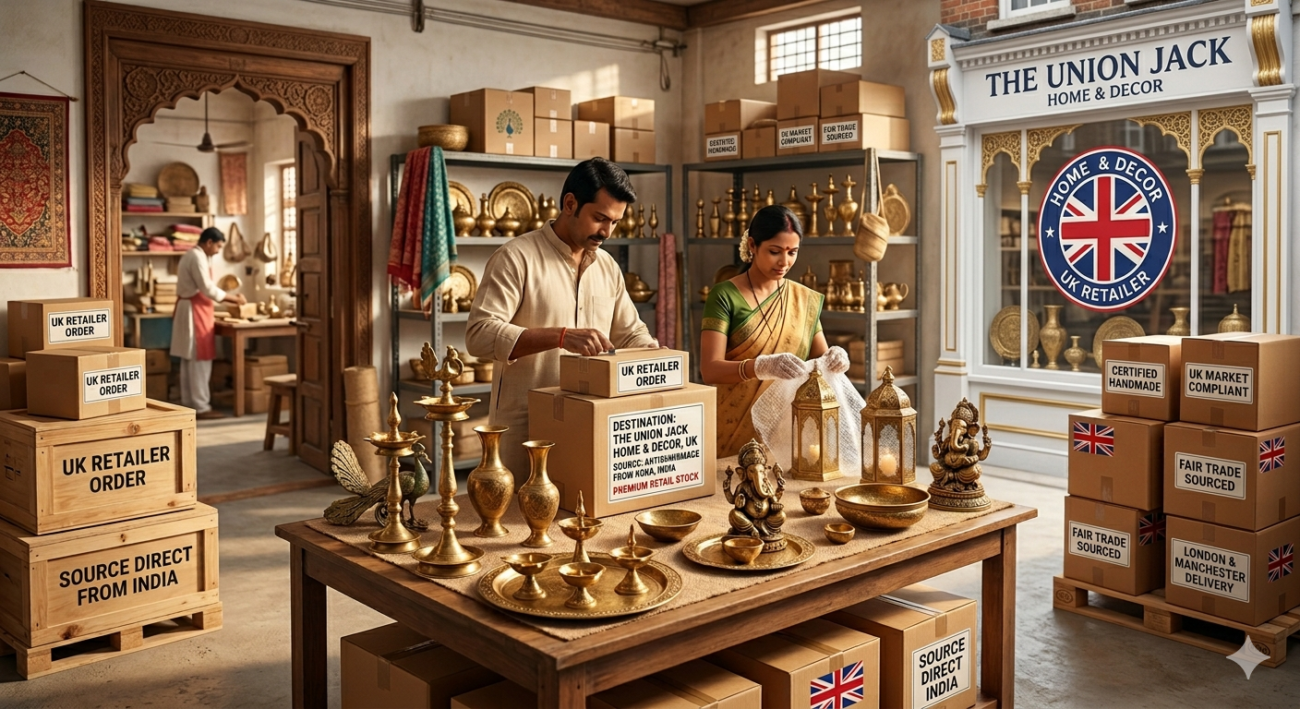
Introduction to Sourcing Handmade Products from India
The global demand for artisanal goods has surged in recent years, especially in countries like the United Kingdom, where consumers are increasingly drawn to authenticity, sustainability, and craftsmanship. For retailers looking to stand out in a competitive market, understanding how UK retailers can source handmade products from India is not just an opportunity—it’s a strategic advantage.
India, known for its rich cultural heritage and skilled artisans, offers a diverse range of handmade products—from textiles and jewelry to home décor and eco-friendly goods. By partnering with suppliers in India, UK retailers can access unique products that resonate deeply with modern consumers.
Why Handmade Products Are in High Demand in the UK
Handmade goods carry a story. Unlike mass-produced items, they reflect tradition, skill, and individuality. UK consumers today prefer products that:
- Have ethical origins
- Support small communities
- Are environmentally friendly
This shift in buying behavior has created a booming market for handcrafted imports.
Overview of India’s Artisan Economy
India is home to millions of artisans working across rural and urban regions. Government initiatives like Make in India have further boosted the visibility of handmade industries, making it easier for international buyers to connect with producers.
Benefits of Importing Handmade Goods from India
Sourcing from India offers several advantages that go beyond just cost savings.
Unique Craftsmanship and Cultural Value
Indian artisans use techniques passed down through generations. Whether it’s hand-block printing or intricate embroidery, each product is a piece of art.
Competitive Pricing and Profit Margins
Due to lower labor costs and abundant raw materials, retailers can enjoy healthy profit margins while offering competitive prices in the UK market.
Sustainability and Ethical Appeal
Many Indian handmade products are eco-friendly, using natural dyes and recycled materials. This aligns perfectly with the UK’s growing focus on sustainable retail.
Understanding the Indian Handmade Market
To succeed, retailers must understand where and how products are made.
Key Regions for Artisan Products
Rajasthan and Textile Crafts
Known for vibrant fabrics, tie-dye techniques, and block printing.
Uttar Pradesh and Leather Goods
Cities like Kanpur produce high-quality handmade leather items.
Kerala and Natural Products
Famous for coconut-based crafts, spices, and eco-friendly goods.
Each region offers something unique, making India a diverse sourcing hub.
Legal Requirements for UK Retailers
Before importing, it’s essential to comply with UK regulations.
Import Regulations in the UK
Retailers must follow guidelines set by authorities such as HM Revenue and Customs. This includes:
- Proper documentation
- VAT registration
- Import duties
Certifications and Compliance Standards
Depending on the product, certifications like CE marking or fair trade labels may be required.
Finding Reliable Suppliers in India
One of the most critical steps in learning how UK retailers can source handmade products from India is identifying trustworthy suppliers.
Online B2B Platforms
Websites like:
- Alibaba
- IndiaMART
These platforms allow retailers to browse suppliers, compare prices, and read reviews.
Trade Fairs and Exhibitions
Events such as IHGF Delhi Fair provide opportunities to meet artisans directly.
Local Sourcing Agents
Hiring an agent in India can simplify communication, negotiation, and quality checks.
Evaluating Product Quality
Quality assurance is essential for maintaining your brand reputation.
Sampling and Inspection
Always request samples before placing bulk orders. This helps verify:
- Material quality
- Craftsmanship
- Packaging standards
Quality Control Processes
Consider third-party inspection services to ensure consistency across shipments.
Pricing and Negotiation Strategies
Negotiation is a key part of sourcing.
Understanding Cost Structures
Costs typically include:
- Raw materials
- Labor
- Packaging
- Shipping
Understanding these helps you negotiate fairly.
Negotiation Best Practices
- Build relationships before negotiating
- Be respectful of cultural differences
- Aim for win-win agreements
Shipping and Logistics
Efficient logistics ensure timely delivery.
Choosing Freight Options
- Air freight: faster but expensive
- Sea freight: cost-effective for bulk orders
Customs and Duties
Work with a freight forwarder to handle:
- Documentation
- Tariffs
- Customs clearance
Ethical Sourcing and Fair Trade
Ethical sourcing is no longer optional—it’s expected.
Supporting Artisan Communities
By sourcing responsibly, retailers help:
- Preserve traditional crafts
- Improve livelihoods
Certifications to Look For
Look for labels from organizations like World Fair Trade Organization.
Building Long-Term Supplier Relationships
Strong partnerships lead to better pricing and quality.
Communication Tips
- Use clear and simple language
- Confirm details in writing
- Schedule regular updates
Trust and Transparency
Pay on time and honor agreements to build trust.
Marketing Handmade Products in the UK
Once products arrive, effective marketing is key.
Branding and Storytelling
Highlight:
- Artisan stories
- Cultural heritage
- Sustainability
Online and Offline Sales Channels
- E-commerce platforms
- Boutique stores
- Craft markets
Common Challenges and How to Overcome Them
Language and Cultural Barriers
Solution: Work with bilingual agents or translators.
Delivery Delays
Solution: Plan ahead and maintain buffer stock.
Future Trends in Handmade Imports
Rise of Sustainable Retail
Consumers are prioritizing eco-friendly products more than ever.
Growth of E-commerce
Online platforms are making global sourcing easier and faster.
FAQs
1. Is it profitable to import handmade products from India?
Yes, due to low production costs and high demand in the UK, profit margins can be significant.
2. How can I verify an Indian supplier?
Use platforms like IndiaMART, request samples, and check reviews or certifications.
3. What is the minimum order quantity (MOQ)?
It varies by supplier, but many offer flexible MOQs for new buyers.
4. Are handmade products eco-friendly?
Most are, especially those made with natural or recycled materials.
5. How long does shipping take from India to the UK?
Sea freight takes 3–6 weeks, while air freight takes 5–10 days.
6. Do I need a license to import goods into the UK?
Generally, you need VAT registration and must comply with HMRC regulations.
Conclusion
Understanding how UK retailers can source handmade products from India opens the door to a world of unique opportunities. From accessing skilled artisans to offering sustainable products, the benefits are immense. However, success depends on careful planning—choosing reliable suppliers, ensuring quality, and building strong relationships.
By embracing ethical sourcing and leveraging India’s rich craftsmanship, UK retailers can not only grow their businesses but also contribute to preserving traditional art forms.
✨ Discover Global Sourcing Excellence with Netyex ✨
Netyex is your trusted B2B sourcing partner, connecting international buyers with India’s finest manufacturers and curated product lines—from handicrafts and home décor to kitchenware, textiles, hospitality essentials, and more. With verified suppliers and end-to-end support, we make global procurement seamless, reliable, and efficient.
👉 Elevate your sourcing experience—explore Netyex today.
📦 Bulk orders & customisation | 🌍 Worldwide delivery | 🤝 Trusted by global buyers
Visit Netyex to source premium Indian products with confidence.