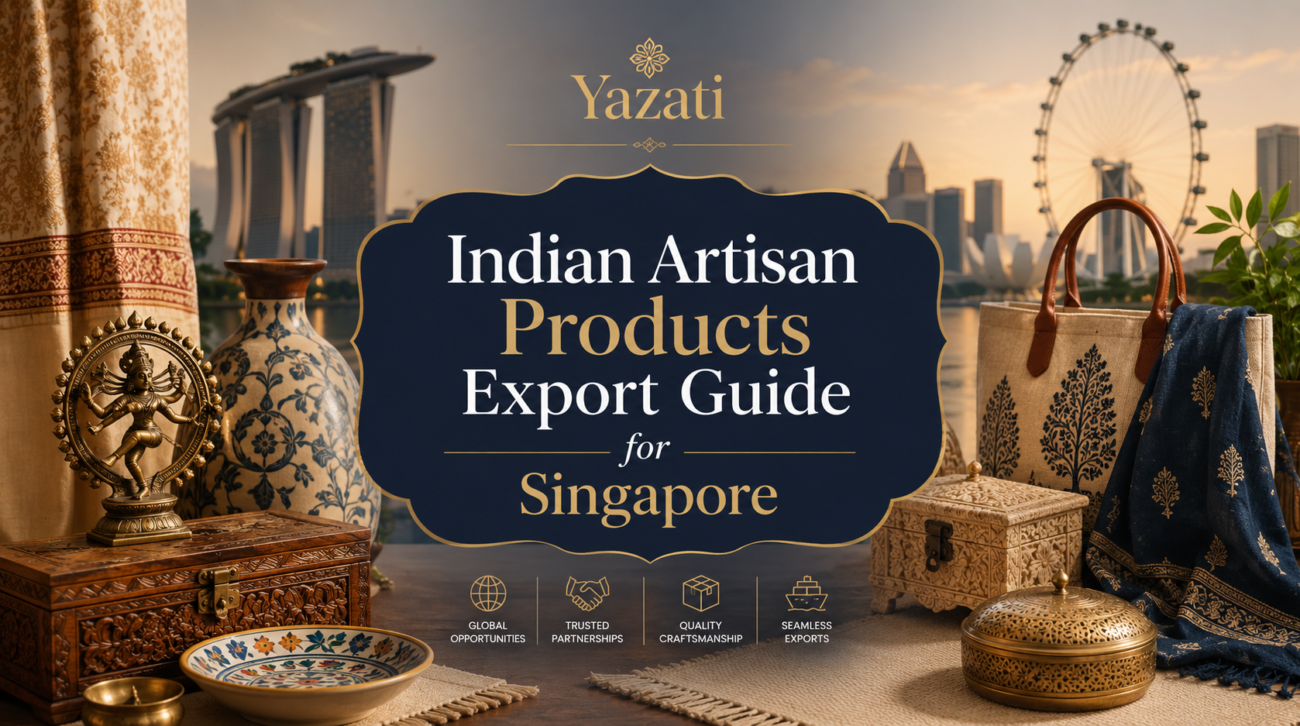
Introduction to Indian Artisan Products Export Guide for Singapore
The Indian Artisan Products Export Guide for Singapore is designed to help artisans, handicraft manufacturers, exporters, and small businesses successfully enter one of Asia’s most attractive import markets. Singapore is known for its affluent consumers, strong retail infrastructure, and appreciation for high-quality handcrafted products.
Indian artisan products such as handwoven textiles, wooden crafts, metal artifacts, pottery, handmade jewelry, and traditional home décor items have gained increasing popularity among Singaporean consumers. With proper planning, compliance, and marketing, Indian exporters can build a sustainable and profitable business in Singapore.
This guide explains everything from market research and legal requirements to shipping, marketing, and relationship building.
Understanding the Singapore Market for Indian Handicrafts
Singapore is a multicultural society where consumers appreciate products with authenticity, craftsmanship, and cultural significance.
Consumer Preferences in Singapore
Singaporean consumers often seek:
- Premium handmade products
- Sustainable and eco-friendly goods
- Unique home décor items
- Luxury handcrafted gifts
- Ethical and fair-trade products
Products that tell a story and showcase traditional craftsmanship generally perform well in this market.
Growth Trends in Artisan Product Imports
Demand for artisan products has increased due to:
- Rising interest in sustainable consumption
- Growth of boutique retailers
- Expansion of online marketplaces
- Interest in cultural and heritage products
Many consumers prefer handcrafted alternatives to mass-produced goods, creating opportunities for Indian artisans.
Why Singapore is an Attractive Export Destination
Strategic Location and Trade Connectivity
Singapore serves as a major trading hub connecting Southeast Asia with global markets. Many importers use Singapore as a redistribution center for neighboring countries.
Benefits include:
- World-class ports
- Efficient customs procedures
- Strong logistics infrastructure
- Business-friendly regulations
High Purchasing Power of Consumers
Singapore consistently ranks among the world’s wealthiest nations by income per capita. Consumers are willing to pay premium prices for quality artisan products.
This purchasing power allows exporters to position handcrafted goods as premium lifestyle products rather than competing solely on price.
Popular Indian Artisan Products in Demand
Handmade Textiles and Fabrics
Popular categories include:
- Handwoven silk products
- Cotton home furnishings
- Block-printed fabrics
- Embroidered textiles
- Traditional shawls and scarves
These products appeal to consumers seeking unique fashion and interior design elements.
Wooden Handicrafts and Home Décor
Wooden products remain highly sought after.
Examples include:
- Decorative wall panels
- Carved figurines
- Handmade furniture accents
- Wooden trays and boxes
Metal Crafts and Traditional Artworks
Metal handicrafts often attract collectors and luxury buyers.
Popular items include:
- Brass décor pieces
- Copper artifacts
- Traditional sculptures
- Decorative lamps
Jewelry and Fashion Accessories
Artisan-made jewelry enjoys strong demand due to its uniqueness and cultural appeal.
Examples include:
- Handmade silver jewelry
- Beaded accessories
- Ethnic necklaces
- Artisan-crafted earrings
Market Research Strategies Before Exporting
Identifying Target Buyers
Potential buyers include:
| Buyer Type | Opportunity |
|---|---|
| Retail Stores | High-volume orders |
| Gift Shops | Seasonal demand |
| Interior Designers | Premium décor projects |
| E-commerce Sellers | Consistent sales |
| Corporate Buyers | Bulk gifting programs |
Competitor Analysis Techniques
Study:
- Product pricing
- Packaging quality
- Distribution channels
- Customer reviews
- Marketing approaches
This information helps position products competitively.
Legal Requirements for Exporting from India
Obtaining an Import Export Code (IEC)
An IEC issued by the Directorate General of Foreign Trade is mandatory for exporting from India.
Without an IEC, businesses cannot legally conduct export transactions.
Export Registration and Compliance
Exporters should also consider:
- GST registration
- Export promotion council membership
- Bank account for foreign exchange transactions
- Product-specific certifications if required
Proper compliance reduces delays and enhances buyer confidence.
Singapore Import Regulations for Artisan Goods
Customs Procedures
Singapore maintains relatively streamlined import procedures.
Generally required documents include:
- Commercial invoice
- Packing list
- Bill of lading or airway bill
- Certificate of origin
- Insurance documentation
For current regulations, exporters should consult Singapore Customs and official government resources.
Product Standards and Documentation
Depending on product type, additional requirements may apply for:
- Wood treatment certification
- Product safety declarations
- Material composition information
Maintaining accurate documentation is essential.
Pricing and Cost Calculation Methods
Production Costs
Include:
- Raw materials
- Labor
- Packaging
- Quality control
- Administrative expenses
Shipping and Logistics Expenses
Consider:
- Freight charges
- Port handling fees
- Insurance
- Customs clearance
- Warehousing
Currency Exchange Considerations
Monitor exchange rates between:
- Indian Rupee (INR)
- Singapore Dollar (SGD)
Currency fluctuations can significantly affect profitability.
Packaging and Labeling Best Practices
Sustainable Packaging Solutions
Eco-conscious packaging is increasingly valued.
Options include:
- Recyclable cardboard
- Biodegradable fillers
- Reusable cloth bags
- Plastic-free packaging
Labeling Requirements for Singapore
Labels should clearly indicate:
- Product name
- Country of origin
- Material composition
- Care instructions
- Importer details where required
Professional packaging enhances perceived value.
Shipping Methods and Logistics Management
Air Freight vs Sea Freight
| Factor | Air Freight | Sea Freight |
|---|---|---|
| Speed | Fast | Slower |
| Cost | Higher | Lower |
| Small Shipments | Ideal | Less Efficient |
| Bulk Orders | Costly | Preferred |
Choosing Reliable Freight Forwarders
Evaluate providers based on:
- Experience
- Network coverage
- Tracking capabilities
- Customer service
- Insurance options
Strong logistics partners reduce operational risks.
Marketing Indian Artisan Products in Singapore
Digital Marketing Strategies
Successful channels include:
- Social media marketing
- Influencer collaborations
- Online marketplaces
- Email campaigns
- Search engine optimization
Useful market information can be found through organizations such as Enterprise Singapore and export resources available at https://www.enterprisesg.gov.sg/.
Trade Shows and Exhibitions
Trade fairs provide direct access to:
- Retail buyers
- Importers
- Distributors
- Corporate purchasers
Participation often generates valuable business relationships.
Building Relationships with Singapore Buyers
Distributor Partnerships
Local distributors can provide:
- Market knowledge
- Existing customer networks
- Warehousing support
- Sales representation
Direct-to-Consumer Opportunities
Growing e-commerce adoption creates opportunities to sell directly through:
- Brand websites
- Online marketplaces
- Social commerce platforms
This model offers greater profit margins.
Payment Methods and Risk Management
Letters of Credit
Letters of credit remain among the safest payment methods for exporters.
Benefits include:
- Reduced payment risk
- Bank-backed security
- Better transaction transparency
Secure International Transactions
Additional payment options:
- Advance payment
- Documentary collection
- Wire transfers
- Trade finance solutions
Always conduct due diligence before entering new partnerships.
Common Export Challenges and Solutions
Logistics Delays
Common causes include:
- Documentation errors
- Port congestion
- Customs inspections
Solutions involve:
- Accurate paperwork
- Experienced logistics providers
- Buffer inventory planning
Regulatory Compliance Issues
Maintaining updated knowledge of regulations helps avoid:
- Shipment rejections
- Financial penalties
- Customer dissatisfaction
Regular compliance reviews are recommended.
Future Opportunities for Indian Artisans
Sustainable and Ethical Product Demand
Consumers increasingly value:
- Fair-trade sourcing
- Handmade production
- Eco-friendly materials
- Ethical labor practices
Artisans who emphasize these strengths can differentiate themselves effectively.
E-Commerce Growth Potential
Cross-border e-commerce continues to expand rapidly across Southeast Asia.
Emerging opportunities include:
- Online gifting
- Home décor platforms
- Luxury artisan marketplaces
- Social commerce channels
This trend is expected to support long-term export growth.
Frequently Asked Questions
1. Which Indian artisan products sell best in Singapore?
Handmade textiles, home décor items, wooden handicrafts, artisan jewelry, and premium gift products generally perform well.
2. Do I need an IEC to export to Singapore?
Yes. An Import Export Code is generally required for legal export activities from India.
3. Is Singapore a profitable market for artisan exports?
Yes. Singapore’s high-income consumers often value premium handcrafted goods and are willing to pay for quality.
4. What shipping method is best for artisan products?
Air freight works well for high-value products and small shipments, while sea freight is more economical for bulk orders.
5. How can I find buyers in Singapore?
Trade fairs, B2B marketplaces, distributors, chambers of commerce, and digital marketing campaigns are effective channels.
6. Are sustainable artisan products popular in Singapore?
Yes. Demand for environmentally responsible and ethically sourced products continues to grow.
7. What documents are commonly required for exports?
Commercial invoices, packing lists, shipping documents, certificates of origin, and insurance papers are commonly requested.
Conclusion
The Indian Artisan Products Export Guide for Singapore demonstrates that Singapore offers significant opportunities for Indian artisans and exporters. Strong purchasing power, appreciation for craftsmanship, efficient logistics infrastructure, and growing demand for sustainable products make Singapore an attractive destination for handcrafted goods.
Success depends on careful market research, regulatory compliance, competitive pricing, professional packaging, reliable logistics, and strong buyer relationships. Exporters who combine traditional Indian craftsmanship with modern business practices can establish a profitable and long-lasting presence in Singapore’s artisan products market.
✨ Discover Global Sourcing Excellence with Netyex ✨
Netyex is your trusted B2B sourcing partner, connecting international buyers with India’s finest manufacturers and curated product lines—from handicrafts and home décor to kitchenware, textiles, hospitality essentials, and more. With verified suppliers and end-to-end support, we make global procurement seamless, reliable, and efficient.
👉 Elevate your sourcing experience—explore Netyex today.
📦 Bulk orders & customisation | 🌍 Worldwide delivery | 🤝 Trusted by global buyers
Visit Netyex to source premium Indian products with confidence.