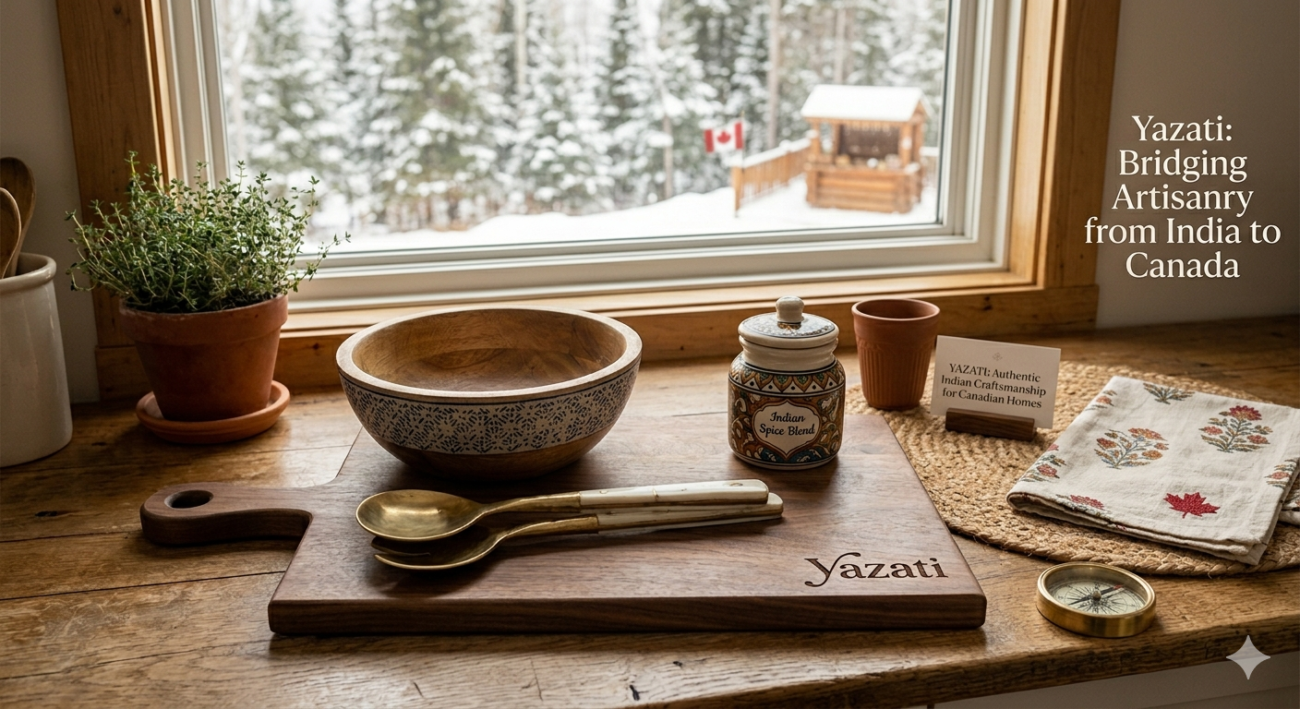
The Indian Artisan Products Export to Canada Market is becoming one of the most promising opportunities for Indian exporters in 2026. Canada’s multicultural population, increasing appreciation for handmade goods, and rising interest in eco-friendly shopping have created a strong demand for authentic Indian artisan products.
From handcrafted textiles and wooden décor to jewelry and eco-conscious lifestyle products, Indian artisans now have a golden opportunity to reach Canadian buyers. Small businesses, independent craftsmen, women-led enterprises, and export companies are all exploring this rapidly growing international market.
Canada imports a large variety of handmade products each year. Consumers in cities like Toronto, Vancouver, and Montreal actively seek unique handmade items that reflect culture, craftsmanship, and sustainability. Indian products perfectly match these preferences because they combine heritage, artistry, and affordability.
In this detailed guide, you will learn everything about entering the Canadian market successfully. We will cover profitable product categories, export regulations, logistics, digital marketing, pricing strategies, and future trends shaping the industry.
Introduction to the Canadian Market for Indian Artisan Products
Canada is known for being culturally diverse and globally connected. Millions of Canadians appreciate ethnic products and handmade goods from different countries. Indian handicrafts have a special place in this market because they represent tradition, artistry, and uniqueness.
The demand for artisan products increased significantly after consumers shifted toward sustainable and handcrafted items instead of mass-produced products. Canadian shoppers are now willing to pay premium prices for handmade décor, natural fabrics, and eco-friendly accessories.
Indian exporters can benefit greatly because India already has a strong reputation for high-quality handicrafts and traditional craftsmanship. Products made in Rajasthan, Gujarat, Kashmir, Uttar Pradesh, and West Bengal are especially admired in international markets.
Why Canadian Consumers Love Indian Handmade Products
Cultural Diversity and Demand
Canada is home to people from many ethnic backgrounds. Indian culture is widely celebrated through festivals, cuisine, fashion, and décor. This multicultural environment naturally increases the demand for Indian artisan products.
Many Canadians decorate their homes with Indian wall art, handwoven rugs, brass items, and ethnic furniture. During festivals like Diwali and Christmas, handmade Indian decorations also become popular gift items.
Indian products stand out because each item tells a story. Buyers appreciate the human touch behind handcrafted goods compared to machine-made alternatives.
Sustainable and Ethical Shopping Trends
Modern Canadian consumers care deeply about sustainability. They prefer products that are:
- Handmade
- Eco-friendly
- Ethically sourced
- Produced using natural materials
Indian artisans often use traditional methods involving recycled wood, organic fabrics, natural dyes, and sustainable production techniques. This makes Indian products highly attractive in the Canadian retail market.
Eco-conscious shopping trends are expected to continue growing over the next decade, creating even more opportunities for exporters.
Most Profitable Indian Artisan Products Export to Canada Market
The success of the Indian Artisan Products Export to Canada Market depends heavily on choosing the right products.
Handmade Textiles and Fabrics
Indian textiles are famous worldwide for their colors, embroidery, and weaving techniques. Popular exports include:
- Handwoven scarves
- Cotton bedsheets
- Silk sarees
- Embroidered cushion covers
- Block-printed fabrics
Canadian consumers especially prefer organic cotton and sustainable fabrics.
Wooden Handicrafts
Wooden artisan products from India are highly profitable because they blend traditional craftsmanship with functionality.
Best-selling items include:
- Hand-carved furniture
- Decorative boxes
- Wooden trays
- Temple décor
- Wall hangings
Sheesham wood products are particularly popular due to their durability and premium appearance.
Jewelry and Fashion Accessories
Indian handmade jewelry attracts both South Asian communities and mainstream Canadian buyers.
Popular categories include:
- Silver jewelry
- Beaded necklaces
- Handmade earrings
- Bohemian accessories
- Gemstone bracelets
Fashion boutiques in Canada frequently source handmade accessories from India because of their unique design appeal.
Home Decor and Eco-Friendly Products
Home décor remains one of the strongest product categories in the export market.
Trending products include:
- Macrame décor
- Handmade candles
- Brass lamps
- Terracotta items
- Bamboo products
- Eco-friendly kitchenware
Minimalist and bohemian interior design trends have increased demand for handcrafted home accessories.
Market Size and Growth Opportunities
Canadian Import Trends
Canada imports billions of dollars worth of consumer goods every year. Handmade and artisan categories continue expanding because consumers want products with authenticity and craftsmanship.
E-commerce growth has also made it easier for Canadian customers to buy directly from international sellers.
Small Indian exporters can now reach customers through:
- Online marketplaces
- Wholesale distributors
- Boutique retailers
- Social commerce platforms
Rising Interest in Ethnic Products
The growing South Asian population in Canada contributes strongly to the demand for Indian products. However, interest is no longer limited to Indian communities.
Mainstream consumers are also embracing:
- Ethnic home décor
- Handmade wellness products
- Artisan fashion
- Sustainable lifestyle goods
This broader appeal significantly increases the long-term potential of the market.
Understanding Canadian Import Regulations
Before entering the Canadian market, exporters must understand import laws and compliance requirements.
Product Labeling Rules
Canada requires clear labeling for imported products. Labels should include:
- Country of origin
- Product material details
- Manufacturer information
- Care instructions
- Safety warnings if needed
French and English labeling may be required for certain categories.
Packaging and Safety Standards
Canadian authorities maintain strict product safety regulations. Exporters should ensure:
- Non-toxic materials
- Safe packaging
- Proper fumigation for wooden items
- Compliance with textile standards
Good packaging also reduces product damage during long-distance shipping.
Best Export Cities in Canada for Indian Products
Toronto
Toronto is the largest market for Indian artisan products because of its large multicultural population and thriving retail sector.
Demand is especially high for:
- Home décor
- Jewelry
- Festival products
- Ethnic fashion
Vancouver
Vancouver has strong demand for eco-friendly and sustainable artisan products. Consumers here value handmade goods and natural materials.
Montreal
Montreal offers opportunities for luxury handmade items, artistic décor, and designer accessories.
How to Start Exporting Indian Artisan Products
Business Registration
Start by legally registering your export business in India. You may register as:
- Sole proprietorship
- Partnership
- LLP
- Private limited company
Proper registration builds credibility with international buyers.
Import Export Code (IEC)
An Import Export Code issued by the Directorate General of Foreign Trade (DGFT) is mandatory for exports from India.
Without an IEC, businesses cannot legally export goods internationally.
Choosing Export Channels
Exporters can choose multiple sales channels:
- Direct-to-consumer e-commerce
- Wholesale distribution
- Trade exhibitions
- Retail partnerships
- Online marketplaces
Many small exporters start with Etsy and Amazon Canada before expanding into wholesale operations.
Pricing Strategy for the Canadian Market
Currency Exchange and Shipping Costs
Pricing should include:
- Product cost
- Packaging expenses
- Shipping charges
- Customs duties
- Platform fees
- Currency fluctuations
Ignoring hidden costs can reduce profitability significantly.
Wholesale vs Retail Pricing
Wholesale buyers expect lower prices but purchase larger quantities. Retail customers pay higher prices but require marketing investment.
Successful exporters usually combine both strategies for stable revenue.
Shipping and Logistics Solutions
Air Freight vs Sea Freight
Air freight is faster but more expensive. Sea freight is cost-effective for bulk shipments.
Small businesses often start with air shipping for faster delivery and lower inventory risk.
Customs Clearance Process
Exporters must prepare:
- Commercial invoices
- Packing lists
- Shipping bills
- Certificates of origin
Working with an experienced freight forwarder simplifies customs procedures.
Digital Marketing for Canadian Buyers
SEO and E-commerce Optimization
A professional website helps exporters attract Canadian customers directly. SEO optimization should target keywords such as:
Using high-quality product photography also improves conversion rates.
Social Media Promotion
Platforms like:
- TikTok
are excellent for promoting artisan products visually.
Storytelling works especially well. Customers love learning about artisans, handmade processes, and cultural traditions behind products.
Top Online Platforms to Sell Indian Artisan Products
Amazon Canada
Amazon provides large-scale access to Canadian buyers and reliable logistics solutions.
Etsy Canada
Etsy is one of the best platforms for handmade and vintage products.
Small artisan businesses often achieve excellent results here because buyers actively search for handcrafted items.
Shopify Stores
Shopify allows exporters to create branded online stores and control customer relationships directly.
For more information about exporting globally, visit the official Canadian trade resource: https://www.tradecommissioner.gc.ca
Building Trust with Canadian Customers
Product Storytelling
Customers connect emotionally with authentic stories.
Explain:
- Who made the product
- Traditional crafting methods
- Materials used
- Cultural significance
Story-driven branding creates stronger customer loyalty.
Certifications and Reviews
Positive customer reviews and ethical certifications increase buyer confidence.
Useful certifications include:
- Fair Trade
- Organic certifications
- Handloom marks
- Sustainability labels
Common Challenges in Exporting
Shipping Delays
International logistics can face delays because of:
- Customs inspections
- Weather conditions
- Port congestion
Maintaining clear communication with buyers helps protect customer satisfaction.
Product Damage Risks
Fragile artisan products need strong packaging.
Use:
- Bubble wrapping
- Reinforced cartons
- Waterproof layers
- Protective cushioning
Insurance coverage is also recommended for high-value shipments.
Government Support for Indian Exporters
Export Promotion Councils
Organizations like:
- Export Promotion Council for Handicrafts (EPCH)
- Federation of Indian Export Organisations (FIEO)
offer training, buyer connections, and trade exhibition support.
Financial Incentives
Indian exporters may benefit from:
- Export subsidies
- Duty drawbacks
- MSME support schemes
- Trade financing assistance
Government support programs reduce operational risks for new exporters.
Future Trends in Indian Artisan Products Export to Canada Market
Eco-Friendly Packaging
Sustainable packaging is becoming essential in Canada.
Consumers prefer:
- Plastic-free packaging
- Recyclable materials
- Minimalist packaging designs
Eco-friendly branding can increase customer trust and repeat purchases.
Personalized Handmade Products
Customized products are becoming highly popular.
Canadian buyers increasingly seek:
- Personalized gifts
- Custom embroidery
- Handmade name décor
- Unique artisan collections
Customization allows exporters to charge premium prices.
Frequently Asked Questions
Is Canada a good market for Indian artisan products?
Yes, Canada is a growing and profitable market because consumers value handmade, sustainable, and culturally rich products.
Which Indian handicrafts sell best in Canada?
Popular categories include textiles, wooden handicrafts, jewelry, home décor, and eco-friendly products.
Do I need an IEC code to export from India?
Yes, an Import Export Code is mandatory for legal exports from India.
What is the best platform for selling handmade products in Canada?
Etsy and Shopify are excellent platforms for artisan businesses targeting Canadian customers.
How can I reduce shipping costs to Canada?
Bulk shipping, freight consolidation, and choosing sea freight for large orders can reduce shipping expenses.
What packaging works best for artisan exports?
Strong eco-friendly packaging with protective cushioning helps prevent product damage during transit.
Conclusion
The Indian Artisan Products Export to Canada Market offers tremendous opportunities for Indian businesses, artisans, and entrepreneurs in 2026 and beyond. Canadian consumers appreciate authenticity, craftsmanship, sustainability, and cultural richness — all qualities that Indian handmade products naturally provide.
With proper planning, compliance, branding, and digital marketing, Indian exporters can successfully build profitable businesses in Canada. Whether you are a small artisan workshop or an established exporter, the growing Canadian demand for handcrafted products creates enormous long-term potential.
Businesses that focus on quality, storytelling, sustainability, and customer trust will stand out in this competitive market. As global consumers continue moving toward ethical and handmade purchases, Indian artisans are perfectly positioned to thrive internationally.
✨ Discover Global Sourcing Excellence with Netyex ✨
Netyex is your trusted B2B sourcing partner, connecting international buyers with India’s finest manufacturers and curated product lines—from handicrafts and home décor to kitchenware, textiles, hospitality essentials, and more. With verified suppliers and end-to-end support, we make global procurement seamless, reliable, and efficient.
👉 Elevate your sourcing experience—explore Netyex today.
📦 Bulk orders & customisation | 🌍 Worldwide delivery | 🤝 Trusted by global buyers
Visit Netyex to source premium Indian products with confidence.