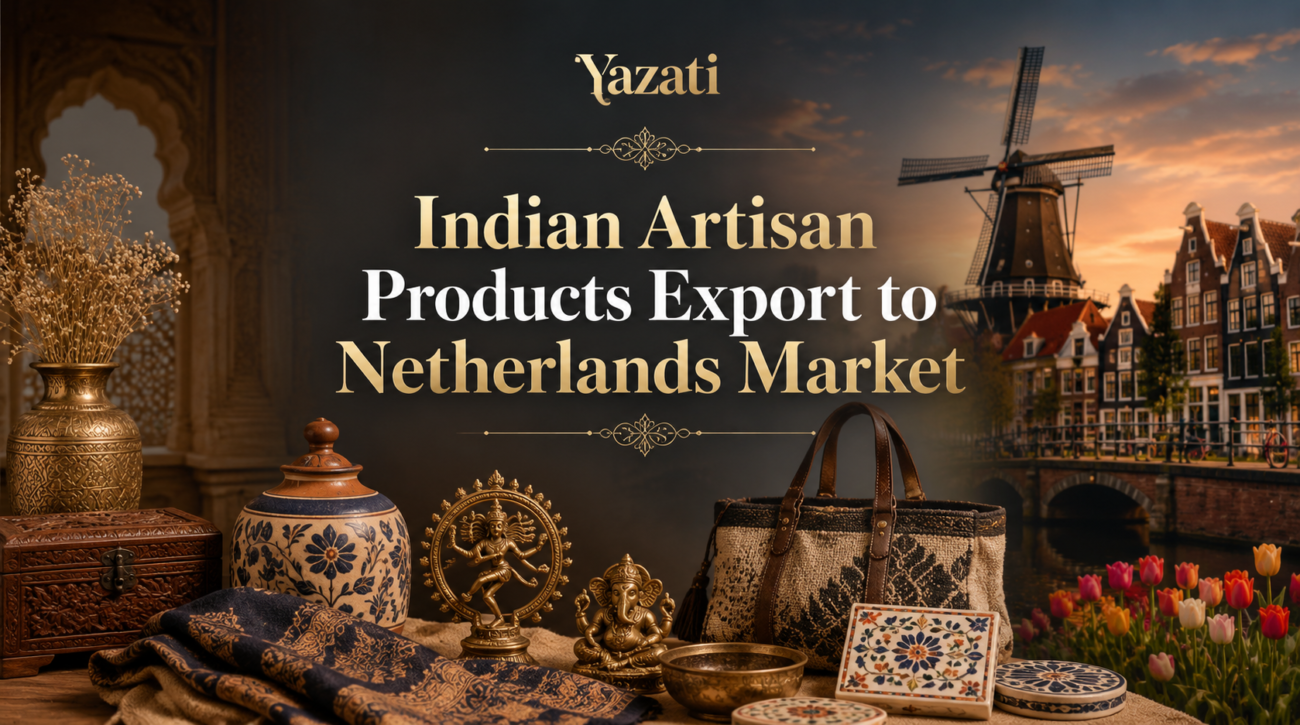
Introduction to Indian Artisan Products Export to Netherlands Market
The Indian Artisan Products Export to Netherlands Market sector is growing rapidly as European consumers increasingly value handmade, eco-friendly, and culturally rich products. Indian artisans are known worldwide for their craftsmanship, traditional techniques, and creative designs. From handwoven textiles to wooden décor and handmade jewelry, Indian products are gaining strong recognition in Dutch markets.
The Netherlands acts as a major trade gateway to Europe. Its strategic location, advanced logistics infrastructure, and strong retail market make it an ideal destination for Indian exporters. Dutch consumers also appreciate sustainable and ethically sourced products, which aligns perfectly with traditional Indian artisan goods.
For Indian businesses, exporting artisan products to the Netherlands offers a huge opportunity for growth, brand recognition, and long-term profitability.
Why the Netherlands Is a High-Potential Market for Indian Handicrafts
The Netherlands has become one of Europe’s most attractive markets for handmade products. Several factors contribute to this growing demand.
Growing Demand for Sustainable Handmade Products
Dutch consumers are highly conscious about sustainability. Many shoppers prefer products that are:
- Handmade
- Environmentally friendly
- Ethically produced
- Unique and culturally authentic
Indian artisans often use natural materials such as cotton, jute, bamboo, wood, and recycled metals. These products perfectly match modern European sustainability trends.
Dutch Consumer Preferences and Buying Behavior
Consumers in the Netherlands value:
- Minimalist designs
- Functional décor
- Fair trade certification
- Organic and eco-conscious materials
Products with a meaningful cultural story often perform well. Buyers appreciate knowing the background of artisans and production methods.
Most Popular Indian Artisan Products in the Netherlands
Several categories of Indian handicrafts have strong demand in Dutch markets.
Handmade Textiles and Embroidery
Indian textiles are famous globally for their:
- Block printing
- Hand embroidery
- Ikat weaving
- Kantha work
- Silk craftsmanship
Popular products include:
These products appeal to Dutch consumers looking for artistic and sustainable home décor.
Wooden Handicrafts and Home Décor
Hand-carved wooden products from Rajasthan, Saharanpur, and Gujarat are especially popular. Common exports include:
- Decorative boxes
- Candle holders
- Wall art
- Small furniture
- Kitchen accessories
Natural wood finishes and rustic designs are trending strongly in Europe.
Jewelry and Fashion Accessories
Indian handmade jewelry offers a mix of traditional and modern aesthetics. Dutch consumers enjoy:
- Silver jewelry
- Beaded accessories
- Handmade bags
- Leather goods
- Scarves and shawls
Eco-conscious fashion accessories are especially attractive to younger buyers.
Eco-Friendly and Sustainable Products
Sustainable artisan products are among the fastest-growing export categories. Examples include:
- Jute bags
- Bamboo décor
- Recycled fabric products
- Coconut shell crafts
- Handmade paper products
Understanding Dutch Import Regulations
Before starting the Indian Artisan Products Export to Netherlands Market, exporters must understand EU import requirements.
EU Compliance Standards
Products entering the European Union must comply with:
- Product safety regulations
- Chemical restrictions under REACH
- Sustainable sourcing guidelines
- Consumer protection laws
Textiles and dyes should avoid restricted chemicals and toxic materials.
Packaging and Labeling Requirements
Labels should clearly mention:
- Country of origin
- Material composition
- Care instructions
- Importer details
Eco-friendly packaging is highly preferred in the Netherlands.
VAT and Customs Duties
The Netherlands applies:
- Import duties based on product category
- VAT on imported goods
- Customs clearance documentation requirements
Working with a customs broker can simplify the process.
For official trade information, exporters can visit the
Market Research for Indian Artisan Products Export to Netherlands Market
Strong market research is essential before entering the Dutch market.
Identifying Target Customers
Potential customers include:
- Home décor retailers
- Boutique stores
- Interior designers
- Ethical fashion brands
- E-commerce sellers
Understanding customer preferences helps improve product selection.
Competitor Analysis
Study competitors from:
- Vietnam
- Indonesia
- Turkey
- Morocco
Analyze:
- Pricing
- Packaging
- Product style
- Marketing strategies
This helps position Indian products more effectively.
Pricing Strategy
Pricing should include:
- Manufacturing costs
- Shipping charges
- Customs duties
- Distributor margins
- Marketing expenses
European buyers often pay premium prices for authentic handmade products.
Finding Buyers and Distributors in the Netherlands
Building the right partnerships is critical for export success.
Trade Shows and Exhibitions
Trade fairs are excellent places to meet importers and wholesalers. Important events include:
- Ambiente Frankfurt
- Maison & Objet Paris
- Dutch Design Week
- International trade fairs for home décor
These events help build trust and long-term relationships.
B2B Online Marketplaces
Useful platforms include:
- Alibaba
- IndiaMART
- Faire
- Etsy Wholesale
Professional product photography and detailed descriptions improve buyer interest.
Connecting with Dutch Retailers
Approach:
- Boutique stores
- Sustainable lifestyle brands
- Fair-trade shops
- Interior design studios
Offer catalogs, samples, and flexible order quantities.
Logistics and Shipping Best Practices
Efficient logistics are essential for successful exports.
Choosing the Right Shipping Method
Common shipping options include:
- Sea freight for bulk orders
- Air freight for urgent shipments
- Courier services for samples
Sea freight is usually the most cost-effective for artisan products.
Freight Forwarding and Warehousing
A reliable freight forwarder can help with:
- Customs clearance
- Shipping documentation
- Storage
- Consolidation services
Rotterdam Port is one of Europe’s largest logistics hubs.
Insurance and Risk Management
Always insure export shipments against:
- Damage
- Theft
- Delays
- Loss during transit
This protects both exporters and buyers.
Branding and Digital Marketing for Artisan Products
Strong branding can significantly increase export sales.
Building an Authentic Brand Story
Consumers love stories behind handmade products. Share:
- Artisan backgrounds
- Traditional crafting methods
- Social impact initiatives
- Sustainable sourcing practices
Authenticity builds emotional connections.
Social Media Marketing
Use platforms such as:
High-quality visuals and storytelling work especially well for artisan brands.
E-Commerce Opportunities
Selling directly through e-commerce platforms can improve profits. Consider:
- Shopify stores
- Etsy
- Amazon Europe
- Dutch online marketplaces
Digital marketing can help reach buyers across Europe.
Financial Planning and Export Incentives
Good financial planning ensures sustainable growth.
Government Export Schemes in India
Indian exporters can benefit from:
- Export Promotion Councils
- MSME support schemes
- Duty drawback programs
- RoDTEP benefits
Government support reduces export costs.
Payment Methods and Currency Management
Common payment methods include:
- Letter of Credit (LC)
- Advance payment
- Bank transfer
- PayPal for small orders
Managing currency exchange rates carefully is important for profitability.
Common Challenges and How to Overcome Them
Export businesses face several challenges, but proper planning can reduce risks.
Quality Consistency
Maintain:
- Standardized production
- Quality checks
- Durable packaging
- Supplier training
Consistency builds buyer trust.
Communication Barriers
European buyers expect:
- Fast responses
- Professional communication
- Clear pricing
- Timely updates
Strong communication improves long-term relationships.
Shipping Delays
Avoid delays by:
- Planning inventory early
- Choosing reliable logistics partners
- Understanding customs procedures
Future Trends in Indian Artisan Products Export to Netherlands Market
Several trends will shape future opportunities:
- Rising demand for sustainable goods
- Growth of ethical consumerism
- Increased online shopping
- Preference for handcrafted home décor
- Expansion of fair-trade retail channels
Indian exporters who adapt to these trends can build strong European businesses.
Frequently Asked Questions
1. Which Indian artisan products sell best in the Netherlands?
Handmade textiles, wooden décor, eco-friendly products, jewelry, and home accessories are highly popular.
2. Do Indian exporters need EU certifications?
Yes. Products must comply with EU safety, labeling, and chemical regulations.
3. Is the Netherlands a good entry point for Europe?
Yes. The Netherlands has excellent logistics and acts as a gateway to the European market.
4. How can I find Dutch buyers for handicrafts?
You can use trade fairs, B2B marketplaces, LinkedIn, and direct outreach to retailers.
5. What shipping method is best for artisan exports?
Sea freight is usually best for large shipments, while air freight works for urgent orders and samples.
6. Are sustainable products in demand in the Netherlands?
Absolutely. Dutch consumers strongly prefer eco-friendly and ethically produced goods.
Conclusion
The Indian Artisan Products Export to Netherlands Market sector offers tremendous opportunities for Indian businesses and artisans. Growing European demand for handmade, sustainable, and culturally authentic products creates the perfect environment for export expansion.
By understanding Dutch consumer preferences, complying with EU regulations, building strong branding, and using smart logistics strategies, Indian exporters can establish profitable and long-lasting business relationships in the Netherlands.
With the right planning and commitment to quality, Indian artisan products can continue gaining popularity across Europe and create meaningful economic opportunities for artisans throughout India.
✨ Discover Global Sourcing Excellence with Netyex ✨
Netyex is your trusted B2B sourcing partner, connecting international buyers with India’s finest manufacturers and curated product lines—from handicrafts and home décor to kitchenware, textiles, hospitality essentials, and more. With verified suppliers and end-to-end support, we make global procurement seamless, reliable, and efficient.
👉 Elevate your sourcing experience—explore Netyex today.
📦 Bulk orders & customisation | 🌍 Worldwide delivery | 🤝 Trusted by global buyers
Visit Netyex to source premium Indian products with confidence.