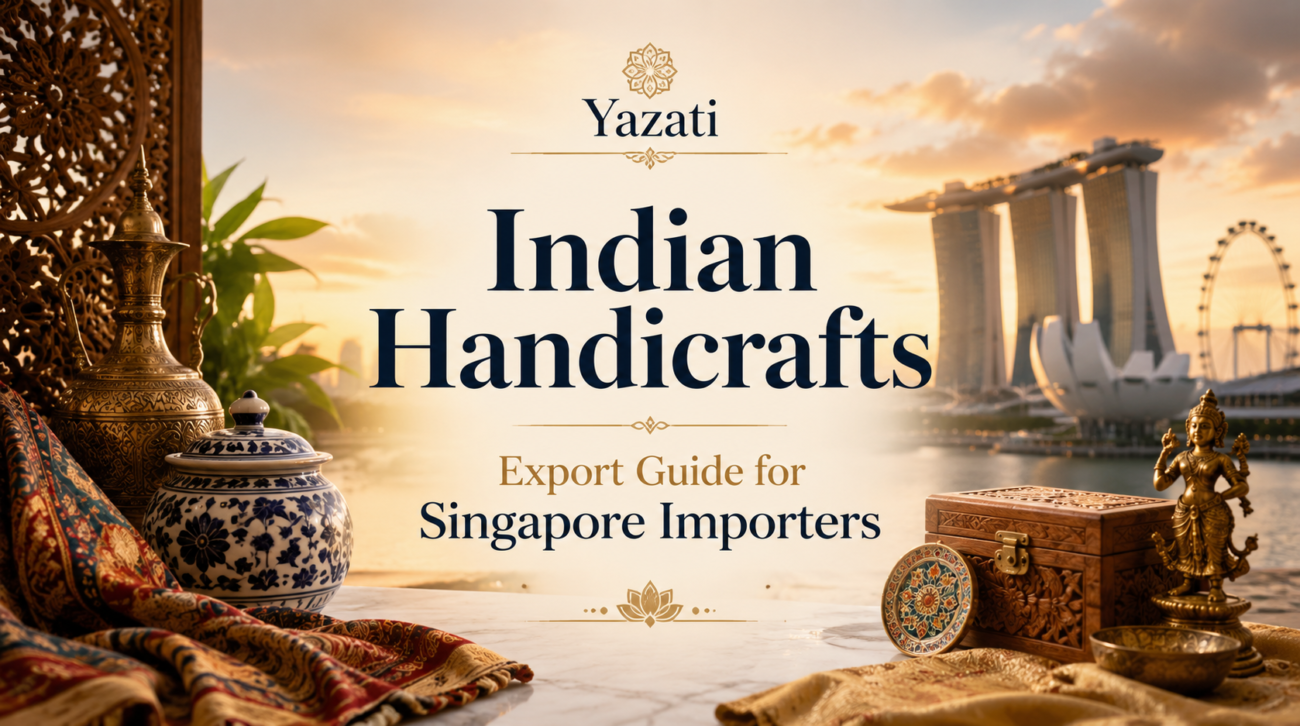
India has long been known for its rich artistic traditions, colorful culture, and skilled artisans. From handmade carpets to brass décor and embroidered textiles, Indian handicrafts attract buyers from all over the world. For businesses in Singapore, importing these products offers exciting opportunities in retail, hospitality, interior design, and gifting markets.
This Indian Handicrafts Export Guide for Singapore Importers explains everything importers need to know, including sourcing, export procedures, logistics, compliance, pricing, and market trends. Whether you are a new importer or an experienced trader, this guide will help you build profitable and sustainable partnerships with Indian suppliers.
Understanding the Indian Handicrafts Industry
India is one of the world’s largest producers and exporters of handicrafts. The industry employs millions of artisans across rural and urban areas. Indian handicrafts are valued because they combine heritage, craftsmanship, and artistic detail.
Products are often handmade using traditional techniques passed down through generations. This makes each item unique and attractive to international buyers.
Why Indian Handicrafts Are Popular in Singapore
Singapore consumers appreciate premium, artistic, and culturally rich products. Indian handicrafts fit well into several market segments, including:
- Home décor
- Boutique retail
- Luxury gifts
- Hotel interiors
- Ethnic fashion
- Corporate gifting
The multicultural nature of Singapore also increases interest in Indian-inspired décor and accessories.
Growth of the Global Handicraft Export Market
The global demand for handcrafted goods is growing rapidly. Customers increasingly prefer sustainable and handmade products over mass-produced items. E-commerce has also made it easier for importers to connect directly with Indian manufacturers.
According to export industry reports, India’s handicraft exports continue to expand due to strong international demand and government support programs. You can learn more through the .
Major Categories of Indian Handicrafts
India offers a wide range of handicraft products suitable for Singapore’s retail and commercial markets.
Wooden Handicrafts
Wooden handicrafts from Rajasthan, Uttar Pradesh, and Gujarat are highly popular. Common items include:
- Carved furniture
- Decorative boxes
- Wall art
- Wooden sculptures
- Kitchen accessories
Saharanpur is especially famous for handcrafted wooden furniture and décor.
Textile and Embroidered Products
Indian textiles are globally recognized for vibrant colors and detailed embroidery. Popular products include:
- Cushion covers
- Bed linens
- Shawls
- Table runners
- Handmade fabrics
Singapore boutiques often import these items for premium lifestyle collections.
Metal Crafts and Brassware
Moradabad is known as the “Brass City of India.” Importers can source:
- Brass lamps
- Decorative bowls
- Candle holders
- Aluminum décor
- Copper kitchenware
These products are widely used in luxury home décor markets.
Pottery and Ceramic Art
Indian pottery combines traditional and modern styles. Handmade ceramics are popular among cafés, restaurants, and interior designers in Singapore.
Jewelry and Fashion Accessories
Handmade jewelry remains one of the fastest-growing export categories. Products include:
- Beaded necklaces
- Silver jewelry
- Ethnic earrings
- Handmade bags
- Scarves
Key Export Hubs in India
Different regions specialize in different types of handicrafts.
Jaipur for Decorative Items
Jaipur is famous for:
- Blue pottery
- Marble crafts
- Gemstone jewelry
- Block printing
Many Singapore importers source premium decorative products from this city.
Moradabad for Metal Handicrafts
Moradabad supplies metal décor to buyers worldwide. The city offers competitive prices and large-scale manufacturing capacity.
Saharanpur for Wooden Crafts
Saharanpur manufacturers produce carved furniture and eco-friendly wooden products suitable for luxury markets.
Kashmir’s hand-knotted carpets are considered among the finest in the world. These premium products attract hotels and high-end buyers in Singapore.
How Singapore Importers Can Source Indian Handicrafts
Finding reliable suppliers is one of the most important steps in successful importing.
Working with Manufacturers
Direct sourcing from manufacturers provides several advantages:
- Better pricing
- Product customization
- Faster communication
- Stronger quality control
However, buyers should conduct proper verification before placing bulk orders.
Using Export Trading Companies
Export trading companies simplify the sourcing process. They help with:
- Supplier coordination
- Product inspections
- Documentation
- Shipping management
This option is especially useful for first-time importers.
Visiting Indian Trade Fairs
Trade fairs are excellent places to discover suppliers and new product trends. Popular exhibitions include:
- IHGF Delhi Fair
- India Expo Mart exhibitions
- State handicraft fairs
Meeting suppliers face-to-face helps build trust and long-term relationships.
Export Documentation and Compliance
Understanding documentation requirements reduces delays and customs issues.
Import Regulations in Singapore
Singapore has relatively business-friendly import policies. However, importers must comply with:
- GST requirements
- Product safety standards
- Customs declarations
- Packaging regulations
Businesses should also verify whether special permits apply to wood or natural-material products.
Required Export Documents
Common export documents include:
| Document | Purpose |
| Commercial Invoice | Product pricing and details |
| Packing List | Shipment contents |
| Bill of Lading | Shipping ownership |
| Certificate of Origin | Product origin verification |
| Insurance Certificate | Cargo protection |
| Import Permit | Singapore customs clearance |
Product Labeling Standards
Labels should clearly mention:
- Country of origin
- Material composition
- Product dimensions
- Safety instructions if required
Proper labeling improves customs clearance and consumer confidence.
Pricing and Cost Considerations
Successful importing depends on understanding all costs involved.
MOQ and Bulk Order Pricing
Most Indian suppliers require a Minimum Order Quantity (MOQ). Larger orders usually reduce per-unit costs.
Importers should negotiate:
- Bulk discounts
- Repeat order pricing
- Packaging charges
- Production timelines
Shipping and Freight Charges
Freight costs depend on:
- Shipment size
- Product weight
- Shipping method
- Fuel charges
- Customs fees
Sea freight is more economical for large orders, while air freight is faster for urgent shipments.
Currency Exchange and Payment Terms
Most exports are priced in USD. Common payment methods include:
- Telegraphic Transfer (TT)
- Letter of Credit (LC)
- PayPal for small orders
Importers should also monitor currency fluctuations to protect profit margins.
Logistics and Shipping from India to Singapore
Efficient logistics are essential for maintaining delivery schedules.
Sea Freight vs Air Freight
| Shipping Method | Advantages | Disadvantages |
| Sea Freight | Lower cost | Longer transit time |
| Air Freight | Faster delivery | Higher cost |
For bulk handicrafts, sea freight is usually the preferred option.
Choosing Reliable Freight Forwarders
Freight forwarders help manage:
- Customs clearance
- Shipment tracking
- Insurance
- Port coordination
Experienced logistics partners reduce delays and shipping complications.
Packaging Requirements for Handicrafts
Fragile handicrafts require secure packaging. Suppliers should use:
- Bubble wrap
- Foam protection
- Wooden crates
- Waterproof packaging
Proper packaging minimizes product damage during transit.
Quality Control and Supplier Verification
Quality problems can damage brand reputation and profitability.
Factory Audits
Importers should inspect factories to verify:
- Production capacity
- Working conditions
- Machinery
- Quality systems
Third-party inspection companies can also perform audits.
Product Sampling
Always request samples before placing large orders. This helps verify:
- Product quality
- Material consistency
- Color accuracy
- Craftsmanship
Maintaining Long-Term Supplier Relationships
Strong supplier relationships improve:
- Product consistency
- Delivery reliability
- Negotiation flexibility
- Access to new designs
Long-term partnerships often lead to better pricing and priority production schedules.
Best Online Platforms for Finding Indian Suppliers
Digital sourcing platforms have transformed international trade.
B2B Marketplaces
Popular platforms include:
- IndiaMART
- Alibaba
- TradeIndia
- Global Sources
These websites allow importers to compare suppliers, prices, and product catalogs.
Government Export Promotion Councils
Government organizations support exporters and international buyers by providing verified supplier information and trade assistance.
Marketing Indian Handicrafts in Singapore
Importing products is only part of the business. Effective marketing drives sales and brand growth.
Selling Through Retail Stores
Boutique stores and lifestyle retailers are ideal channels for handicrafts. Attractive visual merchandising helps increase customer interest.
E-commerce Opportunities
Online platforms such as:
- Shopify
- Lazada
- Shopee
- Amazon Singapore
allow businesses to reach a larger audience.
Corporate Gift Market
Singapore companies frequently purchase premium handmade gifts for:
- Corporate events
- Festive celebrations
- Employee appreciation
- Client gifting
Customized handicrafts perform especially well in this market.
Sustainability and Ethical Sourcing
Consumers increasingly prefer ethical and environmentally responsible products.
Eco-Friendly Materials
Many Indian artisans use sustainable materials such as:
- Bamboo
- Recycled metal
- Natural dyes
- Organic cotton
Eco-conscious products attract premium buyers.
Supporting Artisan Communities
Ethical sourcing supports rural livelihoods and preserves traditional craftsmanship. Many buyers now highlight artisan stories as part of their marketing strategy.
Common Challenges for Singapore Importers
Importers should prepare for common trade challenges.
Delayed Shipments
Production delays may occur due to:
- Festival seasons
- Raw material shortages
- Port congestion
Planning ahead helps reduce disruptions.
Product Quality Variations
Handmade products naturally vary slightly. Clear specifications and quality agreements reduce misunderstandings.
Customs and Tax Issues
Incorrect documentation can result in shipment delays or penalties. Working with experienced customs agents is highly recommended.
Future Trends in the Indian Handicraft Export Industry
The handicraft sector continues to evolve with changing consumer preferences.
Rising Demand for Handmade Products
Global buyers increasingly value authenticity and craftsmanship. Handmade products are often viewed as more meaningful and sustainable.
Digital Transformation in Export Trade
Technology is improving the export process through:
- Virtual trade fairs
- Digital catalogs
- Online payment systems
- AI-powered sourcing tools
These innovations make international trade easier for Singapore importers.
FAQs
1. What are the most profitable Indian handicrafts to import into Singapore?
Popular profitable categories include brass décor, wooden furniture, embroidered textiles, handmade jewelry, and eco-friendly home décor items.
2. Do Singapore importers need an import license for handicrafts?
Most handicrafts can be imported without special licenses, but certain materials may require permits or inspections.
3. How can I verify Indian handicraft suppliers?
You can verify suppliers through factory audits, trade references, government export councils, and third-party inspection agencies.
4. What is the average shipping time from India to Singapore?
Sea freight usually takes 1–3 weeks, while air freight may take 2–7 days depending on customs clearance.
5. Are Indian handicrafts suitable for luxury retail markets?
Yes. Handmade carpets, brassware, gemstone products, and artisan décor are highly suitable for premium and luxury retail segments.
6. What payment methods are commonly used in handicraft imports?
Common payment methods include Telegraphic Transfer (TT), Letter of Credit (LC), and secure online payment systems for smaller orders.
Conclusion
This Indian Handicrafts Export Guide for Singapore Importers highlights the enormous opportunities available in India’s vibrant handicraft industry. With proper supplier selection, quality control, compliance management, and effective logistics planning, Singapore businesses can build profitable and long-lasting import operations.
Indian handicrafts offer a unique combination of tradition, artistry, sustainability, and commercial value. As global demand for handmade products continues to rise, importers who establish strong sourcing networks today can gain a major competitive advantage in the years ahead.
✨ Discover Global Sourcing Excellence with Netyex ✨
Netyex is your trusted B2B sourcing partner, connecting international buyers with India’s finest manufacturers and curated product lines—from handicrafts and home décor to kitchenware, textiles, hospitality essentials, and more. With verified suppliers and end-to-end support, we make global procurement seamless, reliable, and efficient.
👉 Elevate your sourcing experience—explore Netyex today.
📦 Bulk orders & customisation | 🌍 Worldwide delivery | 🤝 Trusted by global buyers
Visit Netyex to source premium Indian products with confidence.