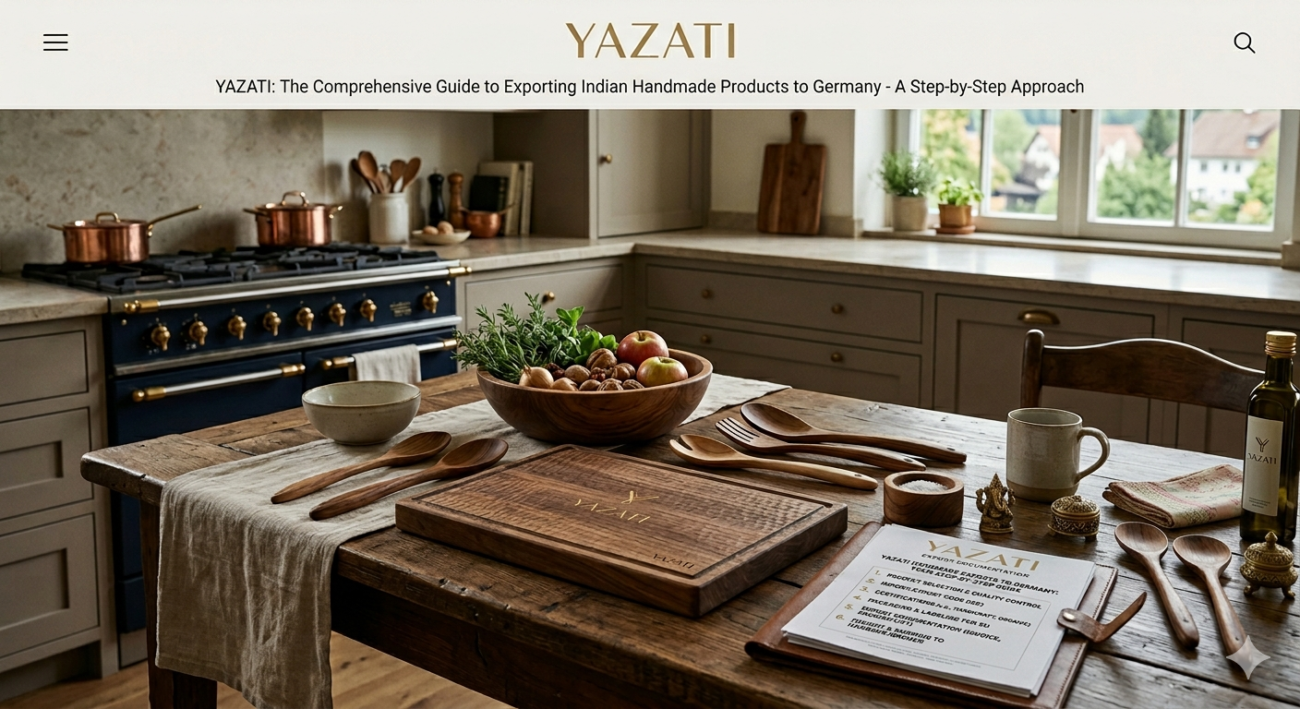
India has long been known for its beautiful handmade products, skilled artisans, and rich cultural heritage. From handwoven textiles to wooden handicrafts, Indian products attract buyers across the globe. Today, Indian Handmade Products Export to Germany is becoming a profitable opportunity for exporters, artisans, and small businesses.
Germany is one of Europe’s largest importers of handmade and eco-friendly products. German consumers appreciate craftsmanship, sustainability, and authentic cultural items. This creates a strong market for Indian exporters who can provide high-quality handmade goods at competitive prices.
In this detailed guide, you will learn everything about exporting Indian handmade products to Germany step by step. Whether you are a beginner or an experienced exporter, this article will help you understand regulations, logistics, marketing, and strategies for success.
Why Germany Is a Great Market for Indian Handmade Goods
Germany offers a strong and stable market for Indian handicrafts and artisanal products. The country’s consumers actively seek handmade, sustainable, and ethically sourced products.
Demand for Eco-Friendly and Artisanal Products
German buyers are increasingly shifting toward environmentally friendly products. Handmade items made from natural materials such as cotton, jute, bamboo, and wood are highly valued.
Consumers in Germany often prefer:
- Handmade over machine-made
- Sustainable packaging
- Fair trade products
- Organic materials
- Unique artistic designs
This trend gives Indian exporters a major advantage because many Indian handmade goods naturally align with these values.
Popular Indian Handmade Categories in Germany
Several Indian product categories perform especially well in the German market:
| Product Category | Demand Level |
| Handwoven Textiles | High |
| Wooden Handicrafts | High |
| Brass Decor Items | Medium |
| Handmade Jewelry | High |
| Jute Bags and Eco Products | Very High |
| Ceramic and Pottery Items | Medium |
| Ayurvedic Handmade Products | Growing |
Indian craftsmanship stands out because of its originality and cultural richness.
Understanding the German Consumer Market
Before exporting, understanding customer behavior is essential.
Consumer Preferences and Buying Habits
German consumers focus heavily on:
- Product quality
- Transparency
- Sustainability
- Ethical sourcing
- Durability
Unlike impulse buyers, German customers often research products carefully before purchasing.
To succeed, exporters should provide:
- Clear product descriptions
- Quality certifications
- Transparent pricing
- Eco-friendly branding
Sustainability and Ethical Sourcing Trends
Germany has one of Europe’s strongest sustainability movements. Products marketed as handmade, recycled, fair trade, or organic often receive better customer response.
Adding storytelling to your products can also help. Buyers love knowing:
- Who made the product
- Which region it comes from
- Traditional crafting methods used
This emotional connection can increase sales significantly.
Legal Requirements for Exporting from India
Exporting legally is the foundation of any successful international business.
IEC Registration Process
The first requirement for exporting from India is obtaining an Import Export Code (IEC).
You can apply through the official DGFT website:
- PAN card required
- Bank account details required
- Business registration needed
The IEC is mandatory for all export businesses.
GST and Export Documentation
You will also need:
- GST registration
- Commercial invoice
- Packing list
- Shipping bill
- Bill of lading or airway bill
- Certificate of origin
Proper documentation ensures smooth customs clearance.
Export Promotion Councils
Joining export councils can provide valuable support.
Examples include:
- Export Promotion Council for Handicrafts (EPCH)
- Federation of Indian Export Organisations (FIEO)
These organizations help exporters connect with international buyers and exhibitions.
For official export guidance, visit:
Directorate General of Foreign Trade
Selecting the Right Handmade Products
Choosing profitable products is critical in Indian Handmade Products Export to Germany.
Textile and Embroidery Products
Indian textiles are globally admired for their craftsmanship.
Popular products include:
Natural dyes and organic cotton products perform especially well.
Wooden Handicrafts and Decor
German buyers love minimalist and rustic decor styles.
High-demand wooden products include:
- Handmade wall decor
- Wooden candle holders
- Carved furniture
- Decorative trays
- Eco-friendly kitchenware
Use treated wood to meet EU import standards.
Jewelry and Accessories
Handmade jewelry has a growing customer base in Germany.
Popular items:
- Silver jewelry
- Beaded necklaces
- Brass earrings
- Handmade bangles
- Sustainable fashion accessories
Modern designs mixed with traditional Indian artistry work best.
Product Quality and Certification Standards
Quality is extremely important in Germany.
EU Product Safety Standards
Products entering Germany must comply with European Union regulations.
Common requirements include:
- REACH compliance for chemicals
- CE marking (if applicable)
- Safety testing
- Proper labeling
Failure to comply can lead to shipment rejection.
Eco-Friendly Packaging Requirements
Germany encourages sustainable packaging.
Best practices include:
- Recyclable packaging
- Minimal plastic use
- Biodegradable materials
- FSC-certified paper
Good packaging also improves brand perception.
Finding Buyers in Germany
Finding reliable buyers is one of the biggest steps in export success.
B2B Marketplaces
Online B2B platforms help exporters connect with importers.
Popular platforms include:
- Alibaba
- IndiaMART
- TradeIndia
- Europages
Create professional listings with high-quality product photos.
Trade Fairs and Exhibitions
Trade fairs are excellent for networking and direct sales.
Popular German trade fairs include:
- Ambiente Frankfurt
- Heimtextil
- Tendence
These events connect exporters with wholesalers and retailers.
Direct Retail Partnerships
Many boutique stores in Germany seek unique handmade goods.
You can contact:
- Gift shops
- Eco stores
- Interior decor boutiques
- Fashion retailers
Personalized outreach often works well.
Pricing Strategy for Export Markets
Pricing determines profitability and competitiveness.
Calculating Export Costs
Include all costs:
- Manufacturing
- Packaging
- Shipping
- Insurance
- Customs duties
- Marketing
- Platform fees
Avoid underpricing simply to attract buyers.
Currency Exchange and Profit Margins
Since exports are usually paid in Euros, monitor exchange rates carefully.
Many exporters use:
- Forward contracts
- Multi-currency accounts
- Export insurance
Maintaining healthy margins protects your business from currency fluctuations.
Shipping and Logistics Process
Efficient logistics improve customer satisfaction.
Air Freight vs Sea Freight
| Shipping Method | Advantages | Disadvantages |
| Air Freight | Fast delivery | Higher cost |
| Sea Freight | Lower cost | Longer transit time |
Small shipments often use air freight, while bulk orders use sea freight.
Customs Clearance Procedures
Ensure all documents are accurate to avoid delays.
Work with:
- Freight forwarders
- Customs brokers
- Logistics partners
Professional shipping partners simplify the process considerably.
Marketing Indian Handmade Products in Germany
Strong marketing increases visibility and sales.
Building an Export Brand
Your brand should communicate:
- Authenticity
- Sustainability
- Craftsmanship
- Ethical production
Professional branding helps build trust with German buyers.
Digital Marketing Strategies
Effective digital channels include:
- Etsy
- Shopify
Use storytelling, artisan videos, and lifestyle photography to attract customers.
SEO optimization also helps buyers discover your products online.
Common Challenges and Solutions
Exporting handmade products comes with challenges.
| Challenge | Solution |
| Finding trustworthy buyers | Use verified B2B platforms |
| High shipping costs | Consolidate shipments |
| Product compliance issues | Follow EU standards |
| Currency fluctuations | Use hedging tools |
| Language barriers | Hire translators or agents |
Preparation reduces most export risks.
Government Schemes and Export Incentives
The Indian government supports exporters through various schemes.
Popular incentives include:
- RoDTEP Scheme
- Duty drawback benefits
- Export credit support
- MSME export assistance
These programs help reduce costs and improve competitiveness.
FAQs
1. Is Germany a good market for Indian handmade products?
Yes, Germany is one of the strongest European markets for handmade, eco-friendly, and ethically sourced products.
2. Which Indian handmade products sell best in Germany?
Handwoven textiles, jute products, wooden handicrafts, jewelry, and eco-friendly home decor products are highly popular.
3. Do I need certification to export handmade products to Germany?
Yes, depending on the product type, you may need EU compliance certifications, safety testing, and eco-labeling.
4. What is the minimum investment required to start exporting?
Small exporters can start with relatively low investment by using online B2B marketplaces and small shipment models.
5. How can I find German buyers for handicrafts?
You can use trade fairs, B2B marketplaces, LinkedIn outreach, and export promotion councils.
6. Which shipping method is better for Germany exports?
Air freight works best for small urgent shipments, while sea freight is more economical for larger orders.
Conclusion
The market for Indian Handmade Products Export to Germany continues to grow rapidly as German consumers increasingly seek sustainable, authentic, and artisanal goods. Indian exporters have a unique advantage because of the country’s rich heritage, skilled artisans, and diverse product range.
Success in this business depends on understanding German consumer preferences, maintaining excellent product quality, complying with EU regulations, and building strong buyer relationships. Exporters who focus on sustainability, branding, and professionalism can build long-term profitable businesses in the German market.
By following the step-by-step strategies in this guide, even small businesses and individual artisans can successfully enter international markets and grow their export operations confidently.
✨ Discover Global Sourcing Excellence with Netyex ✨
Netyex is your trusted B2B sourcing partner, connecting international buyers with India’s finest manufacturers and curated product lines—from handicrafts and home décor to kitchenware, textiles, hospitality essentials, and more. With verified suppliers and end-to-end support, we make global procurement seamless, reliable, and efficient.
👉 Elevate your sourcing experience—explore Netyex today.
📦 Bulk orders & customisation | 🌍 Worldwide delivery | 🤝 Trusted by global buyers
Visit Netyex to source premium Indian products with confidence.