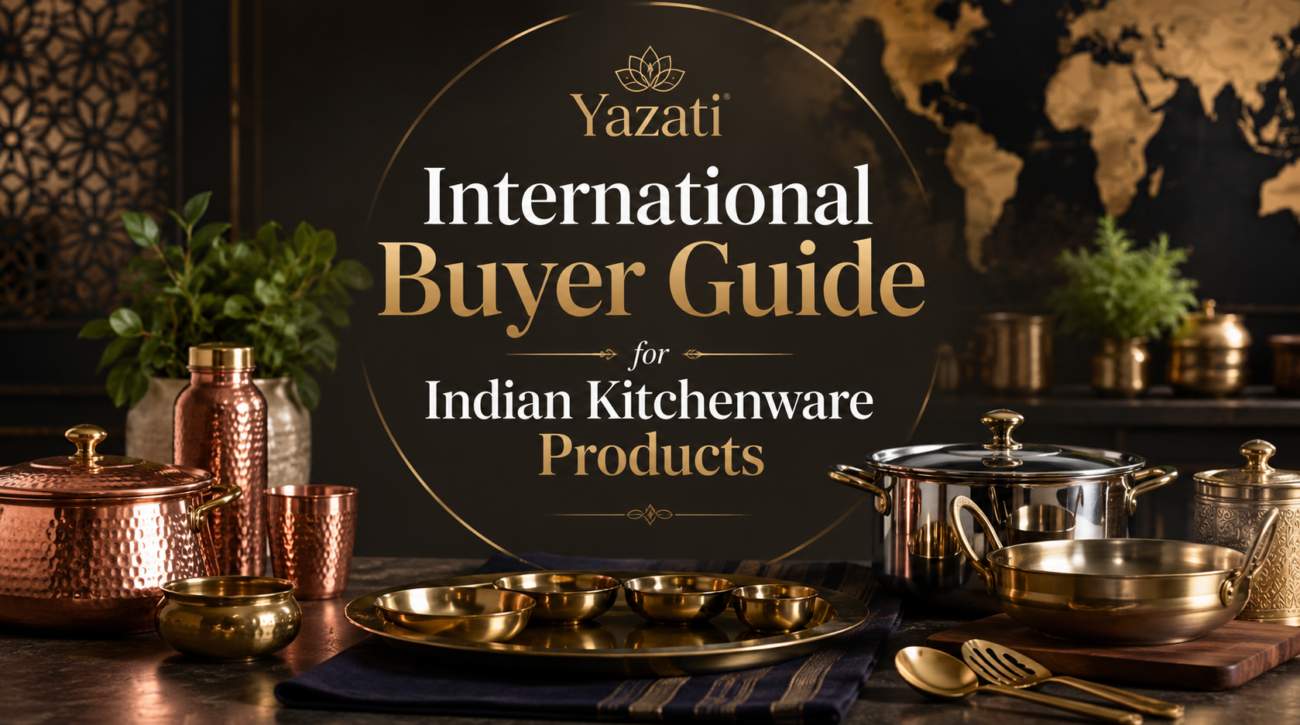
Introduction to Indian Kitchenware Exports
The International Buyer Guide for Indian Kitchenware Products is designed to help importers, wholesalers, distributors, retailers, and e-commerce sellers navigate India’s thriving kitchenware industry. India has emerged as one of the world’s leading manufacturing and export destinations for kitchenware due to its skilled workforce, abundant raw materials, competitive pricing, and strong manufacturing infrastructure.
From stainless steel cookware and cast iron pans to handcrafted copper utensils and eco-friendly wooden kitchen tools, Indian manufacturers supply products to buyers across North America, Europe, the Middle East, Africa, and Asia-Pacific markets.
Whether you are sourcing products for supermarkets, specialty stores, hospitality businesses, or online marketplaces, understanding the Indian kitchenware ecosystem can help you make informed purchasing decisions.
Why International Buyers Choose Indian Kitchenware Products
Competitive Pricing Advantages
One of the biggest reasons global buyers source kitchenware from India is cost efficiency. Indian manufacturers often offer attractive pricing while maintaining acceptable quality standards.
Factors contributing to competitive pricing include:
- Lower labor costs
- Established manufacturing clusters
- Strong supply chain networks
- Economies of scale
- Access to domestic raw materials
These advantages allow international buyers to achieve healthy profit margins.
Quality Craftsmanship and Manufacturing Expertise
India has centuries of experience in metalworking, woodworking, and artisanal craftsmanship. Modern manufacturing facilities combine traditional skills with advanced production technology.
Benefits include:
- Precision manufacturing
- Custom product development
- Flexible production runs
- Private label capabilities
- Innovative product designs
Growing Global Demand for Indian Cookware and Utensils
Global consumers increasingly seek:
- Sustainable products
- Durable cookware
- Authentic handcrafted items
- Eco-friendly kitchen accessories
Indian manufacturers are well-positioned to meet these demands.
Understanding the Indian Kitchenware Industry
Major Manufacturing Hubs in India
Several regions specialize in kitchenware manufacturing:
| City | Specialty |
|---|---|
| Mumbai | Stainless steel products |
| Delhi NCR | Kitchen accessories and utensils |
| Moradabad | Brass and metalware |
| Jodhpur | Wooden kitchen products |
| Rajkot | Cast iron cookware |
| Ahmedabad | Aluminum kitchenware |
Each region has developed specialized expertise and supplier ecosystems.
Key Export Markets and Trends
Indian kitchenware exports continue expanding into:
- United States
- Canada
- United Kingdom
- Germany
- France
- Australia
- UAE
- Saudi Arabia
Emerging trends include:
- Sustainable kitchen products
- Premium cookware
- Non-toxic cooking solutions
- Eco-conscious packaging
- Smart kitchen accessories
Types of Indian Kitchenware Products Available for Import
Stainless Steel Kitchenware
Stainless steel remains India’s strongest export category.
Cookware and Serving Utensils
Popular products include:
- Saucepans
- Stock pots
- Frying pans
- Serving bowls
- Ladles
- Cooking spoons
Advantages:
- Corrosion resistance
- Durability
- Food safety
- Easy maintenance
Storage Containers and Kitchen Accessories
International buyers frequently import:
- Food storage containers
- Lunch boxes
- Spice containers
- Canisters
- Kitchen organizers
Copper and Brass Kitchenware
Copper and brass products attract premium buyers seeking traditional and luxury kitchen items.
Examples include:
- Copper water bottles
- Serving trays
- Decorative cookware
- Brass bowls
- Traditional utensils
These products are especially popular in wellness and hospitality markets.
Aluminum Kitchen Products
Aluminum kitchenware offers:
- Lightweight construction
- Excellent heat conductivity
- Affordable pricing
Popular products include pressure cookers, cookware sets, and baking trays.
Cast Iron Cookware
Demand for cast iron cookware continues growing globally.
Key products include:
- Skillets
- Griddles
- Dutch ovens
- Grill pans
Benefits:
- Exceptional durability
- Heat retention
- Naturally non-stick properties when seasoned properly
Wooden Kitchen Tools and Accessories
Indian artisans produce:
- Chopping boards
- Rolling pins
- Salad servers
- Wooden spoons
- Spice racks
Many buyers prefer sustainably sourced hardwood products.
Eco-Friendly and Sustainable Kitchenware
Sustainability has become a major purchasing factor.
Popular eco-friendly products include:
- Bamboo utensils
- Coconut shell bowls
- Wooden kitchen tools
- Recyclable storage products
- Natural fiber accessories
Quality Standards and Certifications
ISO Certifications
Reliable suppliers often maintain certifications such as:
- ISO 9001
- ISO 14001
- ISO 45001
These certifications indicate structured quality management systems.
Food Safety Compliance Requirements
International buyers should verify compliance with:
- FDA requirements (USA)
- LFGB regulations (Germany)
- REACH standards (Europe)
- Food-contact safety regulations
International Testing and Inspection Standards
Independent testing can help verify:
- Material composition
- Food safety compliance
- Product durability
- Heavy metal content
- Performance standards
Third-party inspections reduce sourcing risks.
How to Select Reliable Indian Kitchenware Suppliers
Supplier Verification Checklist
Before placing orders, verify:
✓ Company registration
✓ Export license
✓ Manufacturing capabilities
✓ Quality certifications
✓ Export experience
✓ Client references
✓ Financial stability
Factory Audits and Quality Assessments
Conducting factory audits helps evaluate:
- Production processes
- Workforce skills
- Quality management systems
- Workplace safety
- Environmental compliance
Evaluating Production Capacity
Ask suppliers about:
- Monthly production output
- Lead times
- Peak season capacity
- Machinery availability
- Workforce strength
This information helps avoid supply chain disruptions.
Pricing Structure and Cost Considerations
Product Cost Components
Kitchenware pricing often includes:
| Cost Component | Impact |
|---|---|
| Raw materials | High |
| Labor | Medium |
| Packaging | Medium |
| Quality testing | Low |
| Compliance certification | Medium |
Shipping and Logistics Expenses
Additional costs may include:
- Ocean freight
- Air freight
- Insurance
- Customs clearance
- Warehousing
Import Duties and Taxes
Import regulations vary by country. Buyers should consult customs authorities or import consultants before placing large orders.
Packaging Requirements for International Markets
Retail Packaging Standards
Retail-ready packaging often requires:
- Product labeling
- Barcode integration
- Instruction manuals
- Country-of-origin markings
- Compliance statements
Bulk Packaging for Wholesale Buyers
Bulk packaging should prioritize:
- Product protection
- Space optimization
- Cost efficiency
- Easy handling
Shipping and Logistics Guide
Sea Freight vs Air Freight
| Factor | Sea Freight | Air Freight |
|---|---|---|
| Cost | Lower | Higher |
| Speed | Slower | Faster |
| Volume | High | Limited |
| Best For | Large orders | Urgent shipments |
Incoterms Every Buyer Should Know
Common Incoterms include:
- FOB (Free on Board)
- CIF (Cost Insurance Freight)
- EXW (Ex Works)
- DDP (Delivered Duty Paid)
Understanding these terms prevents misunderstandings and unexpected costs.
Common Challenges and How to Avoid Them
Quality Control Issues
Reduce risks by:
- Requesting samples
- Conducting inspections
- Using detailed specifications
- Implementing quality agreements
Delivery Delays
Mitigation strategies include:
- Maintaining buffer inventory
- Confirming production schedules
- Monitoring shipment timelines
Communication and Documentation Problems
Successful buyers:
- Use written purchase agreements
- Maintain clear product specifications
- Verify export documentation
Building Long-Term Partnerships with Indian Manufacturers
Long-term supplier relationships often deliver:
- Better pricing
- Priority production schedules
- Faster problem resolution
- Product innovation opportunities
- Consistent quality
Successful partnerships are built on trust, transparency, and regular communication.
For further information on international trade procedures, buyers may consult the official resources provided by the World Trade Organization.
Frequently Asked Questions
1. Why is India a popular source for kitchenware products?
India offers competitive pricing, skilled manufacturing, diverse product categories, and strong export capabilities.
2. What are the most exported Indian kitchenware products?
Stainless steel cookware, storage containers, cast iron cookware, copper products, and wooden kitchen accessories are among the top exports.
3. How can I verify an Indian kitchenware supplier?
Check business registrations, certifications, factory audits, references, and export history before placing orders.
4. What certifications should buyers look for?
ISO certifications, food-contact safety compliance, FDA compliance, LFGB testing, and relevant market-specific certifications.
5. What is the typical minimum order quantity (MOQ)?
MOQs vary by manufacturer and product category but generally range from a few hundred to several thousand units.
6. Is sea freight better than air freight for kitchenware imports?
For large shipments, sea freight is usually more economical. Air freight is better for urgent or small-volume orders.
Conclusion
This International Buyer Guide for Indian Kitchenware Products provides a comprehensive roadmap for sourcing kitchenware from India. By understanding product categories, supplier evaluation methods, quality standards, pricing structures, logistics requirements, and partnership strategies, international buyers can minimize risks and maximize profitability.
India continues to strengthen its position as a trusted global supplier of kitchenware products. Buyers who invest time in supplier verification, quality assurance, and long-term relationship building are likely to achieve sustainable success in this growing market.
✨ Discover Global Sourcing Excellence with Netyex ✨
Netyex is your trusted B2B sourcing partner, connecting international buyers with India’s finest manufacturers and curated product lines—from handicrafts and home décor to kitchenware, textiles, hospitality essentials, and more. With verified suppliers and end-to-end support, we make global procurement seamless, reliable, and efficient.
👉 Elevate your sourcing experience—explore Netyex today.
📦 Bulk orders & customisation | 🌍 Worldwide delivery | 🤝 Trusted by global buyers
Visit Netyex to source premium Indian products with confidence.