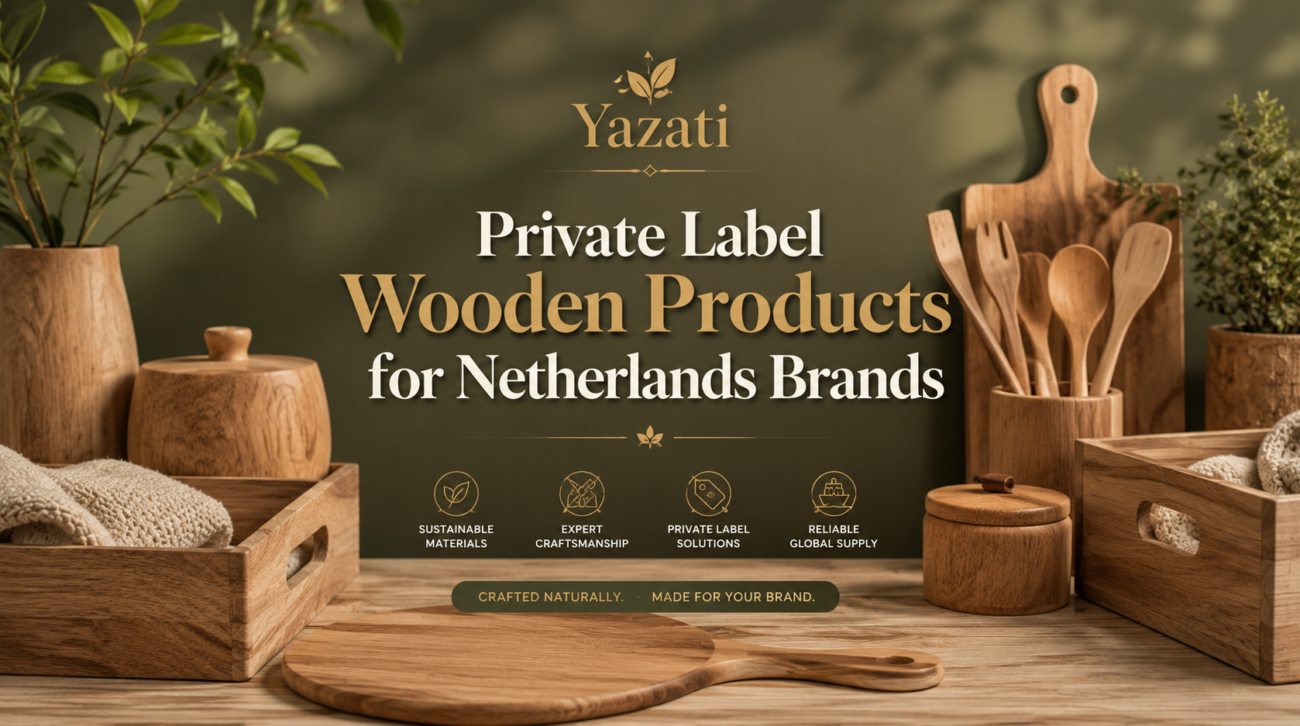
The demand for Private Label Wooden Products for Netherlands Brands is growing rapidly as consumers move toward eco-friendly and sustainable lifestyles. Across the Netherlands, shoppers are choosing reusable, biodegradable, and aesthetically pleasing wooden products over plastic alternatives. This trend has created a major opportunity for businesses wanting to launch their own branded wooden product lines.
From wooden kitchenware and toys to home décor and office accessories, the market is expanding every year. Dutch consumers value quality, sustainability, craftsmanship, and minimalist design. Because of this, private label wooden products have become highly attractive for both startups and established retailers.
In this guide, you will learn everything about sourcing, branding, compliance, pricing, and selling private label wooden products successfully in the Netherlands.
Why Wooden Products Are Booming in the Netherlands
The Netherlands is one of Europe’s leading countries in sustainable living initiatives. Consumers actively seek products that reduce environmental impact. Wooden products fit perfectly into this movement because they are:
- Renewable
- Biodegradable
- Durable
- Reusable
- Stylish
Dutch households increasingly prefer natural materials in everyday life. Wooden products also match modern Scandinavian-inspired interior trends popular across Europe.
Additionally, government policies promoting sustainability encourage businesses to replace plastic-based products with greener alternatives.
Understanding the Private Label Business Model
What Private Label Means
Private labeling means purchasing products from manufacturers and selling them under your own brand name. Instead of creating products from scratch, businesses customize existing designs with their branding, packaging, and labels.
For example:
- A manufacturer produces wooden cutting boards.
- Your company adds its logo and packaging.
- The product is sold under your Dutch brand.
This business model reduces production costs and simplifies product development.
Difference Between OEM and Private Label
| Feature | Private Label | OEM |
|---|---|---|
| Product Design | Existing Products | Custom Products |
| Branding | Your Brand | Your Brand |
| Development Cost | Lower | Higher |
| Production Time | Faster | Longer |
| Customization | Limited | Extensive |
Private labeling is often the best option for businesses entering the Dutch market quickly.
Benefits of Selling Wooden Products Under Your Brand
Sustainability Appeal
Eco-conscious consumers in the Netherlands strongly prefer brands with sustainable practices. Wooden products naturally support green branding.
Premium Branding Opportunities
Wood products often appear luxurious and handcrafted. This allows businesses to position products in higher price categories.
Growing Eco-Conscious Consumer Demand
More Dutch consumers are actively avoiding plastic products. Sustainable alternatives continue gaining popularity in:
- Kitchens
- Offices
- Children’s toys
- Home décor
- Pet accessories
Most Popular Private Label Wooden Products for Netherlands Brands
Wooden Kitchenware
Kitchen products are among the top-selling wooden items.
Popular examples include:
- Cutting boards
- Wooden spoons
- Serving trays
- Salad bowls
- Spice racks
Consumers appreciate the natural appearance and durability of wood in kitchen environments.
Wooden Toys
Parents in the Netherlands increasingly prefer wooden toys over plastic ones because they are:
- Safer
- More durable
- Eco-friendly
- Educational
Popular wooden toys include:
- Puzzle boards
- Building blocks
- Montessori toys
- Pull-along animals
Wooden Home Decor
Minimalist home decoration trends have increased demand for:
- Wooden wall art
- Candle holders
- Shelves
- Picture frames
- Plant stands
Wooden Office Accessories
Remote work culture has boosted demand for wooden office products such as:
- Laptop stands
- Desk organizers
- Pen holders
- Phone docking stations
Wooden Pet Products
Pet owners increasingly purchase:
- Wooden feeding stations
- Pet beds
- Toy storage boxes
This niche continues growing steadily.
Sustainable Materials Used in Wooden Manufacturing
Bamboo
Bamboo is highly sustainable because it grows quickly and requires minimal resources.
Benefits:
- Lightweight
- Durable
- Renewable
- Water-resistant
Oak Wood
Oak offers premium quality and excellent durability. It is commonly used for luxury home products.
Pine Wood
Pine is affordable and versatile, making it ideal for mass-market private label products.
FSC-Certified Timber
FSC certification ensures wood comes from responsibly managed forests. Dutch consumers highly value FSC-certified products.
Learn more about FSC certification here:
How to Source Wooden Products for Private Label
Choosing Reliable Manufacturers
When selecting manufacturers, consider:
- Experience with European exports
- FSC certification
- Product quality
- Communication skills
- Compliance knowledge
Countries commonly supplying wooden products include:
- Vietnam
- India
- China
- Indonesia
- Poland
MOQ and Pricing Strategy
MOQ means Minimum Order Quantity. Many suppliers require bulk purchases.
Before placing large orders:
- Compare multiple suppliers
- Negotiate pricing
- Request discounts for repeat orders
Product Sampling and Quality Checks
Always request samples before mass production.
Inspect:
- Finish quality
- Durability
- Packaging
- Branding accuracy
- Material authenticity
Netherlands Market Trends for Wooden Products
Eco-Friendly Lifestyle Shift
Dutch consumers increasingly support:
- Zero-waste products
- Plastic-free packaging
- Sustainable home goods
Minimalist Scandinavian Influence
Simple wooden designs align perfectly with Scandinavian interior trends dominating the Dutch market.
Handmade and Artisan Preferences
Consumers appreciate products with handcrafted appeal and authentic craftsmanship stories.
Packaging Requirements for Dutch Consumers
Eco-Friendly Packaging
Sustainable packaging significantly influences purchasing decisions.
Popular packaging materials include:
- Recycled cardboard
- Kraft paper
- Compostable wraps
Dutch Language Labeling
Products sold in the Netherlands should ideally include:
- Dutch instructions
- Product details
- Safety warnings
Recyclable Materials
Avoid excessive plastic packaging whenever possible.
Compliance and Regulations in the Netherlands
EU Timber Regulation
The European Union regulates imported timber to prevent illegal logging.
Businesses must maintain documentation proving legal sourcing.
Product Safety Standards
Wooden products must meet European safety standards, especially products designed for children.
CE Certification for Wooden Toys
Wooden toys sold in Europe often require CE marking to verify safety compliance.
Failure to comply may lead to import restrictions or penalties.
Branding Strategies for Wooden Product Businesses
Building a Sustainable Brand Identity
Your branding should emphasize:
- Sustainability
- Craftsmanship
- Natural materials
- Ethical sourcing
Use earthy tones and minimalist design elements.
Social Media Marketing
Platforms like Instagram and Pinterest work exceptionally well for wooden products because they are visually attractive.
Content ideas include:
- Product styling
- Behind-the-scenes manufacturing
- Sustainability education
- User-generated content
Storytelling Through Craftsmanship
Consumers connect emotionally with stories about:
- Handmade production
- Skilled artisans
- Eco-friendly sourcing
- Traditional woodworking
E-Commerce Opportunities in the Netherlands
Selling on Bol.com
Bol.com is one of the Netherlands’ largest online marketplaces.
Benefits include:
- Large customer base
- Easy product listing
- Local consumer trust
Shopify and WooCommerce Stores
Creating your own online store offers:
- Higher profit margins
- Full branding control
- Better customer relationships
Amazon Europe Expansion
Many Dutch brands also expand into:
- Germany
- Belgium
- France
- Scandinavia
through Amazon Europe marketplaces.
Pricing and Profit Margins
Wooden products often achieve healthy margins because customers perceive them as premium products.
Typical gross margins range from:
- 40% to 70%
Factors affecting profitability:
- Shipping costs
- Wood type
- Packaging
- Branding quality
- Import duties
Premium positioning usually increases profitability significantly.
Common Challenges and Solutions
| Challenge | Solution |
|---|---|
| High Shipping Costs | Source closer to Europe |
| Quality Inconsistency | Conduct inspections |
| Certification Issues | Work with compliant suppliers |
| Competition | Focus on unique branding |
| Delayed Production | Maintain backup suppliers |
Future Trends in Wooden Products
Several trends are shaping the future of Private Label Wooden Products for Netherlands Brands:
- Smart wooden accessories
- Personalized engraving
- Zero-waste packaging
- Modular wooden furniture
- Eco-luxury gifting
- Sustainable corporate merchandise
Brands that focus on sustainability and authenticity will likely dominate future markets.
FAQs
Are wooden products profitable in the Netherlands?
Yes. Sustainable living trends and eco-conscious consumers make wooden products highly profitable in the Dutch market.
Which wooden products sell best in the Netherlands?
Kitchenware, toys, home décor, and office accessories are among the top-selling categories.
Do wooden toys require CE certification?
Yes. Wooden toys sold in the European Union generally require CE certification for safety compliance.
What is FSC certification?
FSC certification confirms wood comes from responsibly managed forests.
Can I start a private label wooden business with small investment?
Yes. Many suppliers offer low MOQs for startups, especially through international sourcing platforms.
Where can I sell private label wooden products?
You can sell through:
- Your own website
- Amazon Europe
- Etsy
- Bol.com
- Retail partnerships
Conclusion
The market for Private Label Wooden Products for Netherlands Brands offers tremendous opportunities for entrepreneurs and retailers focused on sustainability, premium branding, and eco-friendly living. Dutch consumers increasingly prefer natural materials, minimalist design, and environmentally responsible products.
Businesses entering this market can succeed by focusing on:
- High-quality craftsmanship
- FSC-certified materials
- Strong branding
- Sustainable packaging
- Compliance with EU regulations
As sustainability becomes even more important in Europe, wooden private label products are positioned for long-term growth and profitability.
✨ Discover Global Sourcing Excellence with Netyex ✨
Netyex is your trusted B2B sourcing partner, connecting international buyers with India’s finest manufacturers and curated product lines—from handicrafts and home décor to kitchenware, textiles, hospitality essentials, and more. With verified suppliers and end-to-end support, we make global procurement seamless, reliable, and efficient.
👉 Elevate your sourcing experience—explore Netyex today.
📦 Bulk orders & customisation | 🌍 Worldwide delivery | 🤝 Trusted by global buyers
Visit Netyex to source premium Indian products with confidence.