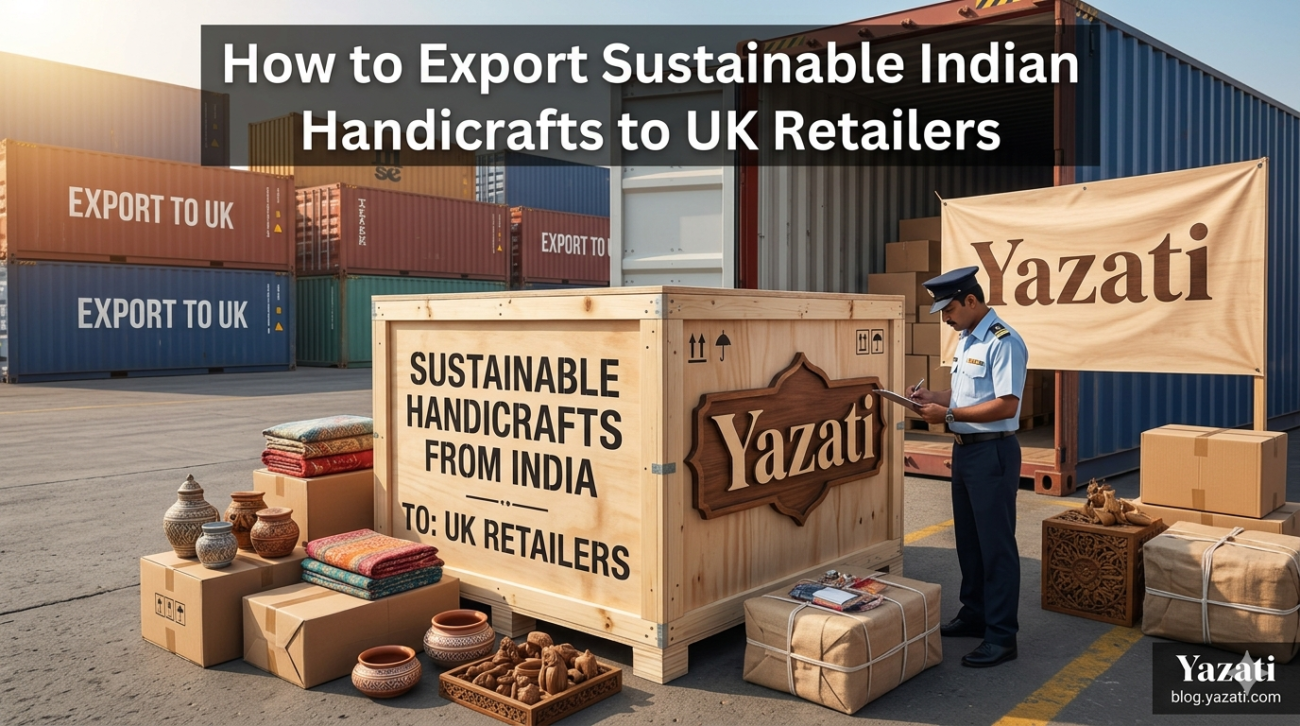
India has long been famous for its rich handicraft traditions, colorful artistry, and handmade products. Today, the global demand for environmentally responsible products has opened new opportunities for Indian exporters. The market for Sustainable Handicrafts Export from India to UK Retailers is expanding rapidly because UK consumers are increasingly choosing eco-friendly, ethical, and handmade items over mass-produced goods.
From handwoven textiles and bamboo products to recycled metal décor and natural fiber baskets, Indian artisans are supplying sustainable products that align perfectly with modern UK retail trends. Retailers across the United Kingdom now actively search for ethical suppliers who can provide quality handicrafts with authentic craftsmanship and sustainable sourcing.
This article explains everything exporters need to know about entering and succeeding in the UK sustainable handicrafts market.
Introduction to Sustainable Handicrafts Trade
Sustainable handicrafts are products created using environmentally friendly materials and ethical production methods. These products often involve low-energy manufacturing processes, recycled materials, and fair wages for artisans.
India is one of the world’s largest producers of handmade crafts. The country’s traditional skills, combined with growing sustainability practices, make Indian handicrafts highly attractive to UK retailers.
The rise of eco-conscious shopping habits has transformed consumer behavior in the UK. Buyers now pay close attention to:
- Product origin
- Environmental impact
- Fair labor practices
- Packaging sustainability
- Handmade authenticity
As a result, Indian exporters who focus on sustainability gain a major competitive advantage.
Why UK Retailers Prefer Sustainable Indian Handicrafts
Growing Eco-Conscious Consumer Demand
UK consumers are becoming more environmentally aware. Many shoppers now prefer products that are:
- Plastic-free
- Handmade
- Ethically sourced
- Recyclable
- Biodegradable
Sustainable handicrafts fit perfectly into these preferences. Handmade Indian products offer uniqueness and cultural value while supporting sustainable living.
According to sustainability trends in retail, eco-friendly home décor and handmade lifestyle products continue to experience strong growth in Europe.
Rise of Ethical Retailing in the UK
Retailers in the UK increasingly promote ethical business practices. Many stores highlight sustainability as part of their brand identity.
Common sustainable retail categories include:
| Product Category | Popular Sustainable Items |
| Home Décor | Handmade lamps, wall art |
| Kitchenware | Bamboo trays, wooden bowls |
| Fashion Accessories | Organic cotton bags |
| Furniture | Reclaimed wood furniture |
| Gift Items | Recycled handmade crafts |
Retailers prefer suppliers who can demonstrate transparent sourcing and fair trade practices.
Understanding Sustainable Handicrafts
Eco-Friendly Materials Used
Sustainable handicrafts often use natural or recycled materials such as:
- Bamboo
- Jute
- Cane
- Organic cotton
- Reclaimed wood
- Coconut shell
- Recycled metals
- Natural dyes
These materials reduce environmental damage and support renewable production systems.
Handmade Production Methods
Handmade production typically consumes less energy than factory manufacturing. Most Indian handicrafts are created using traditional artisan skills passed down through generations.
Benefits include:
- Lower carbon footprint
- Preservation of cultural heritage
- Employment generation in rural communities
- Reduced industrial pollution
Fair Trade and Ethical Sourcing
Ethical sourcing ensures artisans receive fair wages and safe working conditions. UK retailers increasingly demand transparency in the supply chain.
Fair trade practices help exporters build trust with international buyers while improving artisan livelihoods.
Learn more about ethical trade standards through organizations like Fairtrade International.
Popular Sustainable Handicrafts Exported from India
Handmade Textiles
Indian handloom textiles remain highly popular in the UK market. Common products include:
- Organic cotton throws
- Handwoven rugs
- Block-printed cushion covers
- Natural dyed scarves
States like Rajasthan, Gujarat, and West Bengal are major textile production hubs.
Bamboo and Cane Products
Bamboo handicrafts are lightweight, biodegradable, and durable. UK retailers often import:
- Storage baskets
- Lampshades
- Furniture
- Kitchen organizers
These products align perfectly with eco-friendly interior design trends.
Recycled Metal Crafts
Indian artisans creatively transform scrap metal into decorative products such as:
- Lanterns
- Sculptures
- Wall décor
- Candle holders
Recycled products are especially attractive to sustainability-focused buyers.
Wooden Décor and Furniture
Handcrafted wooden products made from responsibly sourced timber are in strong demand.
Popular exports include:
- Coffee tables
- Carved mirrors
- Wooden trays
- Rustic shelves
Retailers often seek FSC-certified wood products for added credibility.
Natural Fiber Products
Natural fiber handicrafts are increasingly replacing plastic products in UK households.
Examples include:
- Jute bags
- Seagrass baskets
- Coir mats
- Palm leaf products
These products appeal to consumers looking for sustainable home solutions.
Key Export Markets in the UK
London Retail Chains
London remains one of the largest markets for sustainable products. Many lifestyle and décor retailers source eco-friendly handmade products from India.
Retailers often seek suppliers offering:
- Small-batch production
- Customization
- Private labeling
- Sustainable packaging
Boutique Lifestyle Stores
Independent boutique stores value authenticity and artisan stories. These stores frequently purchase:
- Handmade décor
- Eco-friendly gifts
- Artisan home accessories
Storytelling plays a major role in influencing purchasing decisions.
Online Sustainable Marketplaces
E-commerce platforms have increased opportunities for exporters. UK consumers frequently shop online for handmade sustainable products.
Popular online retail categories include:
- Sustainable home décor
- Eco gifts
- Handmade kitchenware
- Ethical fashion accessories
Export Regulations and Certifications
Fair Trade Certification
Fair trade certification demonstrates ethical business practices and artisan welfare.
Benefits include:
- Improved buyer confidence
- Higher product value
- Better retailer partnerships
FSC Certification
FSC certification confirms wood products come from responsibly managed forests.
This certification is important for:
- Wooden furniture
- Wooden handicrafts
- Bamboo products
UK buyers often prioritize certified suppliers.
UK Import Standards
Exporters must comply with UK import regulations related to:
- Product safety
- Packaging
- Labeling
- Chemical restrictions
Working with experienced freight and compliance partners can simplify this process.
Benefits of Sustainable Handicrafts Export from India to UK Retailers
Better Profit Margins
Sustainable products often command premium pricing due to their ethical value and handmade quality.
Consumers willingly pay more for products that support environmental and social causes.
Strong Brand Reputation
Sustainability strengthens brand image and helps exporters stand out in competitive markets.
A strong ethical identity improves:
- Customer trust
- Retail partnerships
- Brand loyalty
Long-Term Buyer Relationships
Retailers prefer reliable suppliers who consistently meet sustainability standards.
Long-term relationships often result in:
- Repeat orders
- Larger contracts
- Exclusive partnerships
Challenges Faced by Indian Exporters
Shipping and Logistics Costs
International freight costs can affect profitability. Sustainable packaging and careful shipment planning help reduce waste and damage.
Exporters should compare:
- Sea freight
- Air freight
- Consolidated shipping options
Quality Consistency
Maintaining consistent quality across handmade products can be difficult. Exporters should establish:
- Quality control systems
- Standardized measurements
- Artisan training programs
Market Competition
The sustainable products market is highly competitive. Exporters must differentiate themselves through:
- Unique craftsmanship
- Authentic storytelling
- High-quality branding
- Innovation
How to Find UK Retail Buyers
Trade Shows and Exhibitions
Trade fairs are excellent opportunities for networking and showcasing products.
Popular trade events include:
- Spring Fair Birmingham
- Top Drawer London
- Ambiente Frankfurt
These exhibitions attract international buyers seeking sustainable suppliers.
B2B Platforms
Online B2B marketplaces help exporters connect with retailers globally.
Common platforms include:
- Alibaba
- IndiaMART
- Faire
- TradeIndia
Professional product photography and detailed catalogs improve visibility.
LinkedIn and Direct Outreach
LinkedIn is a powerful tool for connecting with UK retail buyers.
Successful outreach tips:
- Personalize messages
- Share sustainability certifications
- Highlight artisan stories
- Showcase export experience
Packaging and Branding for UK Markets
Eco-Friendly Packaging
UK retailers increasingly reject excessive plastic packaging.
Preferred packaging materials include:
- Recycled cardboard
- Kraft paper
- Compostable wraps
- Paper tape
Eco-friendly packaging strengthens brand credibility.
Storytelling and Product Labels
Consumers love learning about the artisans behind products.
Product labels should include:
- Material details
- Artisan background
- Sustainability information
- Care instructions
Strong storytelling increases emotional connection and sales.
Digital Marketing Strategies for Exporters
SEO for Handicraft Businesses
Exporters should optimize websites for keywords like:
- Sustainable handicrafts India
- Eco-friendly handmade products
- Ethical handicraft exporters
SEO improves international visibility and generates buyer inquiries.
Social Media Promotion
Instagram and Pinterest are ideal platforms for handicraft promotion.
Effective content includes:
- Behind-the-scenes artisan videos
- Product styling photos
- Sustainability stories
- Customer testimonials
Influencer Partnerships
Collaborating with eco-conscious influencers can boost brand awareness in the UK market.
Influencers help brands:
- Reach niche audiences
- Build trust
- Increase online engagement
Pricing Strategy for UK Retailers
Wholesale Pricing Models
Exporters should carefully calculate:
- Production costs
- Packaging expenses
- Shipping charges
- Import duties
- Retail margins
Competitive pricing improves retailer interest.
Shipping Cost Calculations
Shipping costs vary based on:
- Product size
- Weight
- Destination
- Delivery speed
Using freight forwarders can help optimize logistics costs.
Future Trends in Sustainable Handicrafts Export
Circular Economy Products
Products designed for reuse and recycling are becoming increasingly popular.
Examples include:
- Upcycled décor
- Reusable household products
- Recycled textile crafts
Carbon-Neutral Supply Chains
Retailers are beginning to prioritize low-carbon sourcing and environmentally responsible shipping methods.
Exporters adopting green logistics may gain future competitive advantages.
FAQs
What are sustainable handicrafts?
Sustainable handicrafts are handmade products created using eco-friendly materials and ethical production methods that minimize environmental impact.
Why is the UK market important for Indian handicrafts?
The UK has a growing demand for ethical, handmade, and environmentally friendly products, making it a valuable export destination.
Which Indian handicrafts are most popular in the UK?
Popular products include handwoven textiles, bamboo crafts, jute products, wooden décor, and recycled metal handicrafts.
Do UK retailers require sustainability certifications?
Many retailers prefer certifications such as Fair Trade and FSC to ensure ethical sourcing and environmental responsibility.
How can exporters find UK buyers?
Exporters can connect with buyers through trade fairs, B2B marketplaces, LinkedIn outreach, and digital marketing.
What packaging do UK retailers prefer?
Eco-friendly packaging made from recyclable or biodegradable materials is highly preferred.
Conclusion
The market for Sustainable Handicrafts Export from India to UK Retailers offers enormous growth potential for Indian exporters willing to embrace sustainability, quality, and ethical sourcing. As UK consumers continue prioritizing environmentally responsible products, Indian artisans and exporters are uniquely positioned to meet this demand through authentic craftsmanship and eco-friendly production methods.
Success in this market depends on several factors, including strong product quality, transparent sourcing, sustainable packaging, digital marketing, and long-term retailer relationships. Exporters who invest in certifications, storytelling, and modern branding can create a powerful presence in the competitive UK retail landscape.
India’s rich artisan heritage combined with growing sustainability awareness creates an exciting opportunity for exporters to build profitable and socially responsible businesses in the years ahead.
✨ Discover Global Sourcing Excellence with Netyex ✨
Netyex is your trusted B2B sourcing partner, connecting international buyers with India’s finest manufacturers and curated product lines—from handicrafts and home décor to kitchenware, textiles, hospitality essentials, and more. With verified suppliers and end-to-end support, we make global procurement seamless, reliable, and efficient.
👉 Elevate your sourcing experience—explore Netyex today.
📦 Bulk orders & customisation | 🌍 Worldwide delivery | 🤝 Trusted by global buyers
Visit Netyex to source premium Indian products with confidence.