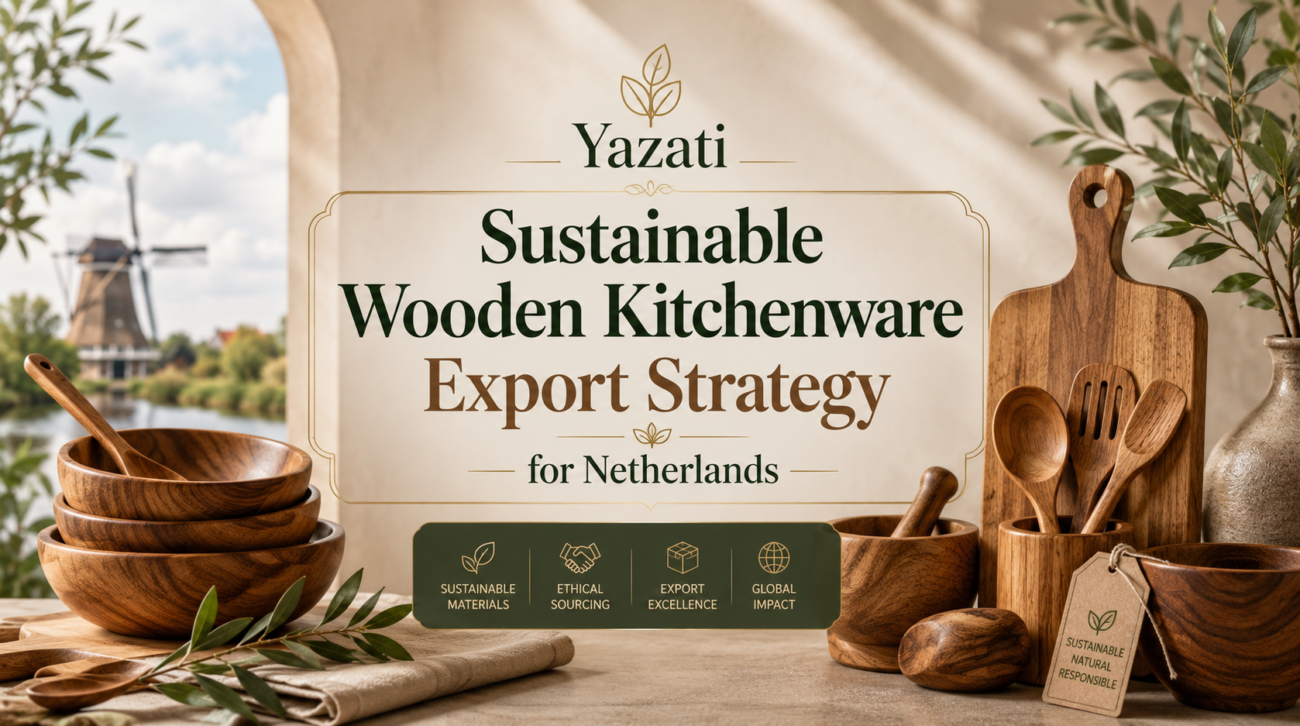
The demand for eco-friendly kitchen products is growing rapidly across Europe, and the Netherlands has become one of the most attractive destinations for sustainable home goods. Dutch consumers are increasingly choosing environmentally responsible alternatives over plastic-based kitchenware. This trend creates a strong opportunity for exporters of wooden kitchen utensils, bowls, cutting boards, trays, and serving products.
A well-planned Sustainable Wooden Kitchenware Export Strategy for Netherlands can help manufacturers and exporters build a profitable and long-term business in Europe. However, success requires more than simply shipping products overseas. Exporters must understand Dutch consumer behavior, sustainability standards, certifications, packaging requirements, pricing strategies, and logistics systems.
This comprehensive guide explains everything you need to know to enter the Dutch market successfully.
Understanding the Netherlands Kitchenware Market
The Netherlands is one of Europe’s most advanced retail and eCommerce markets. Dutch consumers appreciate modern design, sustainable materials, and functional household products. Wooden kitchenware fits perfectly into these preferences because it combines natural aesthetics with environmental responsibility.
Several trends are driving demand:
- Reduction in plastic usage
- Interest in sustainable living
- Growth of minimalist Scandinavian-style interiors
- Popularity of handmade and artisanal products
- Increase in eco-conscious online shopping
Dutch retailers actively seek suppliers offering responsibly sourced kitchenware products.
Why Sustainable Wooden Kitchenware Is Growing
Sustainability has become a major purchasing factor in Europe. Consumers now examine:
- Product origin
- Carbon footprint
- Packaging materials
- Ethical sourcing
- Recyclability
Wooden kitchenware products are attractive because they are:
- Biodegradable
- Durable
- Renewable
- Plastic-free
- Visually appealing
Products made from bamboo, teak, acacia, beechwood, olive wood, and mango wood are especially popular.
Many Dutch consumers prefer products with clear sustainability claims and certifications.
Key Wooden Kitchenware Products in Demand
Wooden Spoons and Spatulas
These are among the most frequently purchased eco-kitchen items. Dutch consumers often buy complete utensil sets with minimalist designs.
Popular features include:
- Smooth finishing
- Heat resistance
- Natural oil treatment
- Ergonomic handles
Cutting Boards
Wooden cutting boards remain a premium kitchen essential in Europe.
Trending styles include:
- Rustic farmhouse boards
- Live-edge designs
- Multi-purpose serving boards
- Personalized engraving
Large serving boards for cheese and charcuterie are highly popular in Dutch households.
Salad Bowls and Serving Trays
Handcrafted wooden bowls and trays are commonly used for dining presentation and home decoration.
Consumers prefer:
- Sustainable hardwood
- Matte finishes
- Handmade craftsmanship
- Neutral color palettes
Eco-Friendly Storage Containers
Wooden storage containers with airtight lids are becoming more common in sustainable kitchens.
They appeal to consumers seeking zero-waste lifestyles.
Consumer Preferences in the Netherlands
Understanding buyer preferences is critical for a successful Sustainable Wooden Kitchenware Export Strategy for Netherlands.
Dutch consumers generally prefer:
| Preference | Description |
|---|---|
| Minimalist Design | Simple and modern appearance |
| Sustainability | Certified eco-friendly materials |
| Functionality | Easy-to-clean and durable products |
| Authenticity | Handmade or artisan-crafted items |
| Transparency | Clear sourcing information |
Brands that communicate authenticity and sustainability often gain trust faster.
Sustainability Certifications Required
Exporting to Europe requires compliance with strict environmental and safety standards.
FSC Certification
The Forest Stewardship Council (FSC) certification proves that wood comes from responsibly managed forests.
Benefits include:
- Increased buyer confidence
- Better retail opportunities
- Easier EU market access
Many Dutch retailers specifically request FSC-certified products.
Learn more here: https://fsc.org
EU Timber Regulation
The European Union requires legal sourcing of timber products. Exporters must maintain documentation proving legality and traceability.
This includes:
- Harvest records
- Supplier details
- Transportation documents
Failure to comply may result in shipment rejection.
Food-Safe Compliance Standards
Kitchenware products that contact food must comply with EU food safety rules.
Products should avoid:
- Toxic coatings
- Harmful adhesives
- Unsafe paints
Food-grade mineral oils and natural finishes are strongly recommended.
Choosing the Right Wood Materials
The type of wood significantly affects product quality and market appeal.
| Wood Type | Advantages |
|---|---|
| Bamboo | Fast-growing and highly sustainable |
| Acacia | Durable and water-resistant |
| Teak | Premium appearance and longevity |
| Beechwood | Smooth texture and affordability |
| Olive Wood | Unique grain patterns |
Acacia and bamboo products are currently among the top-selling kitchenware materials in Europe.
Export Pricing Strategy
Pricing should balance competitiveness and profitability.
Important cost factors include:
- Raw material costs
- Labor
- Certification expenses
- Packaging
- Freight charges
- Customs duties
Recommended Pricing Formula
Export Price=Production Cost+Packaging+Shipping+Margin\text{Export Price} = \text{Production Cost} + \text{Packaging} + \text{Shipping} + \text{Margin}Export Price=Production Cost+Packaging+Shipping+Margin
Premium eco-friendly branding often allows higher profit margins in the Dutch market.
Packaging and Branding for Dutch Buyers
Packaging plays a major role in European retail success.
Preferred Packaging Features
- Recyclable materials
- Plastic-free packaging
- Kraft paper boxes
- Minimal ink printing
- QR codes for sustainability stories
Branding Tips
Successful brands often emphasize:
- Artisan craftsmanship
- Sustainability mission
- Ethical sourcing
- Handmade quality
- Natural aesthetics
Storytelling can strongly influence purchase decisions.
Logistics and Shipping Strategy
Shipping efficiency is essential when exporting to the Netherlands.
Most Common Shipping Methods
| Method | Best For |
|---|---|
| Sea Freight | Large bulk shipments |
| Air Freight | Urgent or small premium orders |
| Rail + Road | Hybrid European distribution |
Major Dutch Ports
The Port of Rotterdam is Europe’s largest seaport and a major gateway for imports.
Efficient warehousing near Rotterdam can improve delivery times across Europe.
Finding Buyers and Distributors
Potential buyers include:
- Eco-friendly retailers
- Kitchenware stores
- Online marketplaces
- Boutique home decor shops
- Sustainable lifestyle brands
Best Platforms for B2B Connections
| Platform | Purpose |
|---|---|
| Alibaba | International sourcing |
| Faire | Boutique wholesale |
| Europages | European B2B networking |
| Direct buyer outreach |
Building long-term relationships is more valuable than focusing only on one-time sales.
Digital Marketing Strategy for Exporters
A strong digital presence helps attract Dutch buyers.
Essential Marketing Channels
Website Optimization
Your website should include:
- Product catalogs
- Certifications
- Factory photos
- Sustainability statements
- Contact forms
Instagram and Pinterest
Wooden kitchenware performs exceptionally well on visual platforms.
Popular content includes:
- Kitchen styling photos
- Product-making videos
- Eco-lifestyle imagery
SEO Strategy
Target keywords such as:
- Sustainable wooden kitchenware
- Eco kitchen utensils Europe
- FSC wooden kitchen products
- Wooden serving boards wholesale
Trade Fairs and B2B Networking
Trade shows help exporters connect with European buyers.
Popular events include:
| Event | Location |
|---|---|
| Ambiente | Frankfurt |
| Maison&Objet | Paris |
| ShowUP | Netherlands |
These events allow businesses to showcase product quality directly to importers and retailers.
Challenges in Exporting Wooden Kitchenware
Despite strong opportunities, exporters may face challenges.
Common Problems
- Certification costs
- Freight delays
- Moisture-related product damage
- EU compliance complexities
- Strong market competition
Solutions
- Use moisture-controlled packaging
- Work with EU import consultants
- Maintain consistent product quality
- Build strong supplier relationships
Future Trends in Sustainable Kitchen Products
Several future trends are shaping the market:
1. Plastic-Free Kitchens
Consumers increasingly replace plastic utensils with wooden alternatives.
2. Personalized Kitchenware
Custom engraving and branded products are growing rapidly.
3. Handmade Artisan Products
Buyers value authenticity over mass production.
4. Circular Economy Products
Reusable and biodegradable products will continue gaining popularity.
FAQs
1. Is the Netherlands a good market for wooden kitchenware exports?
Yes. Dutch consumers strongly support sustainable and eco-friendly household products.
2. Which certification is most important for wooden kitchenware exports?
FSC certification is highly valued by European buyers.
3. What type of wood sells best in Europe?
Acacia, bamboo, teak, and olive wood are among the most popular choices.
4. What shipping method is cheapest for large exports?
Sea freight is generally the most cost-effective method for bulk shipments.
5. Are Dutch consumers willing to pay premium prices?
Yes. Many consumers pay higher prices for certified sustainable products.
6. How can exporters find Dutch buyers?
Through B2B marketplaces, trade fairs, LinkedIn outreach, and distributor partnerships.
Conclusion
Creating a successful Sustainable Wooden Kitchenware Export Strategy for Netherlands requires careful planning, sustainability compliance, attractive branding, and efficient logistics. The Dutch market offers excellent opportunities for exporters who prioritize eco-friendly production and high product quality.
As environmental awareness continues growing across Europe, demand for sustainable wooden kitchenware is likely to expand further. Exporters who invest early in certifications, modern branding, and long-term buyer relationships can build a profitable and resilient export business.
The key to success lies in combining sustainability with functionality, authenticity, and premium craftsmanship.
✨ Discover Global Sourcing Excellence with Netyex ✨
Netyex is your trusted B2B sourcing partner, connecting international buyers with India’s finest manufacturers and curated product lines—from handicrafts and home décor to kitchenware, textiles, hospitality essentials, and more. With verified suppliers and end-to-end support, we make global procurement seamless, reliable, and efficient.
👉 Elevate your sourcing experience—explore Netyex today.
📦 Bulk orders & customisation | 🌍 Worldwide delivery | 🤝 Trusted by global buyers
Visit Netyex to source premium Indian products with confidence.