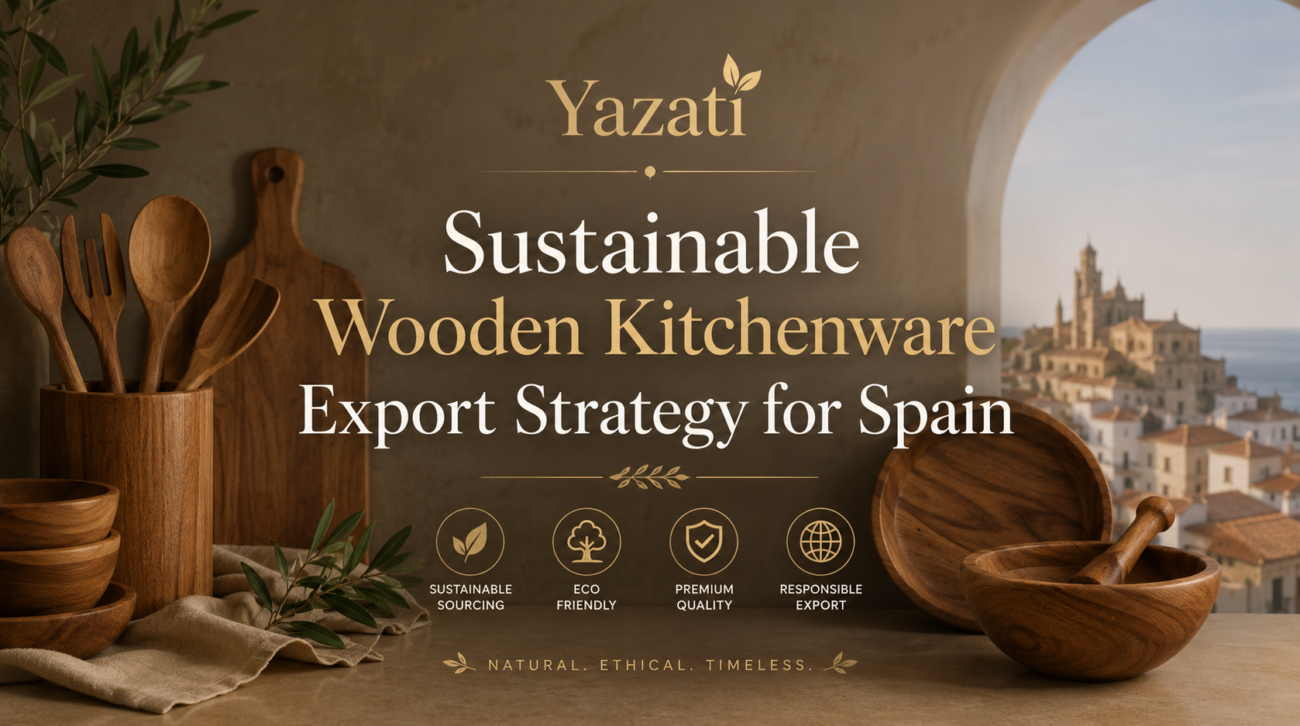
Spain has emerged as one of Europe’s most promising markets for sustainable household products. As consumers become increasingly environmentally conscious, the demand for eco-friendly alternatives to plastic kitchen tools continues to rise. A well-designed Sustainable Wooden Kitchenware Export Strategy for Spain can help manufacturers and exporters gain a strong foothold in this expanding market while building a long-term competitive advantage.
The Spanish market offers opportunities for suppliers of wooden spoons, cutting boards, serving trays, bowls, and other sustainable kitchen accessories. However, success requires more than simply exporting products. Companies must understand local consumer preferences, comply with European regulations, establish distribution networks, and communicate their sustainability credentials effectively.
Understanding Spain’s Sustainable Kitchenware Market
Spain’s homeware and kitchenware industry has witnessed significant transformation over the past decade. Consumers are increasingly seeking products that combine functionality, durability, and environmental responsibility.
Current Consumer Trends
Several trends are driving growth:
- Reduced reliance on single-use plastics
- Interest in natural materials
- Preference for reusable household items
- Demand for ethically sourced products
- Growth of eco-conscious lifestyles
Spanish consumers, especially younger generations, often evaluate products based on environmental impact alongside price and quality.
Demand for Eco-Friendly Home Products
The popularity of sustainable living has expanded beyond food choices and now influences purchasing decisions throughout the home. Wooden kitchenware benefits from this shift because it offers:
- Natural aesthetics
- Long product lifespan
- Biodegradability
- Lower environmental footprint
- Renewable sourcing potential
Why Spain Is Attractive for Wooden Kitchenware Exporters
Growing Sustainability Awareness
Spain actively supports environmental initiatives and circular economy programs. Consumers increasingly prefer products made from responsibly managed forests and sustainable materials.
This trend creates strong opportunities for exporters that can demonstrate responsible sourcing and transparent manufacturing practices.
Expanding Retail and E-commerce Sector
Spain’s retail landscape includes:
- Major home goods chains
- Specialty kitchen stores
- Sustainable lifestyle shops
- Growing e-commerce platforms
Online shopping growth has made it easier for foreign brands to enter the market without establishing extensive physical retail operations.
Market Analysis and Opportunity Assessment
Before entering Spain, exporters should conduct thorough market research.
Target Customer Segments
Potential customer groups include:
| Segment | Characteristics |
|---|---|
| Eco-conscious consumers | Value sustainability and certifications |
| Home cooks | Seek durable kitchen tools |
| Premium buyers | Interested in craftsmanship |
| Hospitality sector | Restaurants and boutique hotels |
| Gift buyers | Prefer attractive sustainable products |
Competitive Landscape
Competition comes from:
- Local Spanish producers
- European manufacturers
- Asian exporters
- Artisan wooden product makers
Differentiation through sustainability, quality, and branding is essential.
Sustainable Wooden Kitchenware Product Categories
Wooden Spoons and Spatulas
These remain among the highest-volume products due to affordability and everyday utility.
Cutting Boards
Consumers often view premium cutting boards as long-term investments, making them attractive products for exporters seeking higher margins.
Bowls and Serving Trays
Wooden serving products align well with modern interior design trends emphasizing natural materials.
Eco-Friendly Kitchen Accessories
Additional products may include:
- Coasters
- Utensil holders
- Salad servers
- Spice containers
- Rolling pins
A diversified product range can improve customer retention and increase average order value.
Sustainability Certifications Required
A successful Sustainable Wooden Kitchenware Export Strategy for Spain should emphasize recognized sustainability certifications.
FSC Certification
The Forest Stewardship Council certification demonstrates that wood originates from responsibly managed forests.
Benefits include:
- Increased consumer trust
- Retail acceptance
- Strong sustainability positioning
PEFC Certification
The Programme for the Endorsement of Forest Certification certification serves as another respected proof of responsible sourcing.
EU Environmental Standards
Exporters should ensure compliance with relevant European product safety and environmental regulations.
Spain Import Regulations and Compliance
Customs Requirements
Wooden kitchenware entering Spain must satisfy EU customs procedures, including:
- Accurate product classification
- Customs declarations
- Country-of-origin documentation
- Commercial invoices
Product Labeling Standards
Labels should typically include:
- Product description
- Material composition
- Country of origin
- Manufacturer information
- Care instructions
Spanish-language labeling often improves consumer confidence and retail acceptance.
Pricing Strategy for the Spanish Market
Premium vs Mass Market Positioning
Exporters must determine whether they are targeting:
Premium Segment
- Higher margins
- Sustainability-focused consumers
- Specialty retailers
Mass Market Segment
- Larger sales volumes
- Stronger price competition
- Wider distribution
Cost Optimization
Consider:
- Container utilization
- Bulk shipping
- Supplier consolidation
- Packaging efficiency
Efficient logistics can significantly improve profitability.
Distribution Channels
Retail Partnerships
Potential retail partners include:
- Homeware chains
- Department stores
- Kitchen specialty shops
- Sustainable lifestyle retailers
Online Marketplaces
Popular channels include:
- Amazon
- ManoMano
- Regional Spanish e-commerce platforms
Specialty Eco Stores
Eco-focused stores often seek suppliers with strong sustainability credentials and unique product stories.
Branding Strategy
Sustainable Storytelling
Consumers increasingly purchase brands rather than products.
Your brand story should communicate:
- Sustainable sourcing
- Ethical production
- Environmental impact reduction
- Community support initiatives
Packaging Innovation
Sustainable packaging can strengthen brand positioning through:
- Recycled materials
- Plastic-free packaging
- Minimalist design
- Compostable components
Digital Marketing Strategy
SEO and Content Marketing
Develop Spanish-language content around:
- Sustainable kitchens
- Eco-friendly cooking
- Wooden kitchenware maintenance
- Environmental benefits
Useful content helps attract organic traffic and educate customers.
For sustainability resources and European environmental initiatives, businesses can monitor information through the European Union’s official portal: https://europa.eu
Social Media Campaigns
Effective channels include:
- TikTok
Visual content showcasing craftsmanship and sustainability performs particularly well.
B2B Sales Development
Importers and Distributors
Working with local distributors offers:
- Market expertise
- Existing retail relationships
- Faster market penetration
- Reduced operational complexity
Hospitality Sector Opportunities
Spain’s tourism industry creates demand from:
- Hotels
- Restaurants
- Resorts
- Boutique accommodations
Many hospitality businesses are actively adopting sustainable procurement policies.
Logistics and Supply Chain Management
Shipping Considerations
Key considerations include:
- Sea freight costs
- Transit times
- Packaging protection
- Customs clearance efficiency
Inventory Planning
Maintaining appropriate stock levels helps avoid:
- Lost sales
- Excess storage costs
- Retailer dissatisfaction
Forecasting demand accurately is essential.
Risk Management
Regulatory Risks
Businesses should monitor:
- EU sustainability legislation
- Product safety regulations
- Customs requirements
Currency and Market Risks
Risk mitigation strategies may include:
- Currency hedging
- Diversified customer portfolios
- Long-term distributor agreements
Future Growth Opportunities
Expansion into Wider EU Markets
Once established in Spain, exporters can leverage their experience to expand into:
- Portugal
- France
- Italy
- Germany
Spain can serve as a strategic gateway into broader European markets.
Frequently Asked Questions
1. Why is Spain a good market for sustainable wooden kitchenware?
Spain has growing consumer interest in environmentally friendly household products, making sustainable kitchenware increasingly attractive.
2. Which certification is most important for wooden kitchenware exports?
FSC certification is widely recognized and highly valued by retailers and consumers.
3. What are the best-selling wooden kitchenware products in Spain?
Wooden spoons, spatulas, cutting boards, serving trays, and bowls are among the most popular categories.
4. Should exporters focus on online or retail sales?
A combination of e-commerce, retail partnerships, and distributor networks generally provides the strongest market coverage.
5. How can exporters differentiate themselves from competitors?
Strong sustainability credentials, premium craftsmanship, innovative design, and compelling brand storytelling help create differentiation.
6. Can Spain be used as a gateway to other European markets?
Yes. Spain’s logistics infrastructure and EU membership make it an excellent entry point for broader European expansion.
Conclusion
A successful Sustainable Wooden Kitchenware Export Strategy for Spain requires a balanced approach that combines sustainability, regulatory compliance, strong branding, efficient logistics, and targeted distribution. Spanish consumers increasingly value environmentally responsible products, creating substantial opportunities for exporters that can demonstrate authentic sustainability and consistent product quality.
Companies that invest in certifications, build local partnerships, optimize supply chains, and communicate a compelling sustainability story are well positioned to establish a profitable and lasting presence in Spain’s growing eco-friendly homeware market.
✨ Discover Global Sourcing Excellence with Netyex ✨
Netyex is your trusted B2B sourcing partner, connecting international buyers with India’s finest manufacturers and curated product lines—from handicrafts and home décor to kitchenware, textiles, hospitality essentials, and more. With verified suppliers and end-to-end support, we make global procurement seamless, reliable, and efficient.
👉 Elevate your sourcing experience—explore Netyex today.
📦 Bulk orders & customisation | 🌍 Worldwide delivery | 🤝 Trusted by global buyers
Visit Netyex to source premium Indian products with confidence.