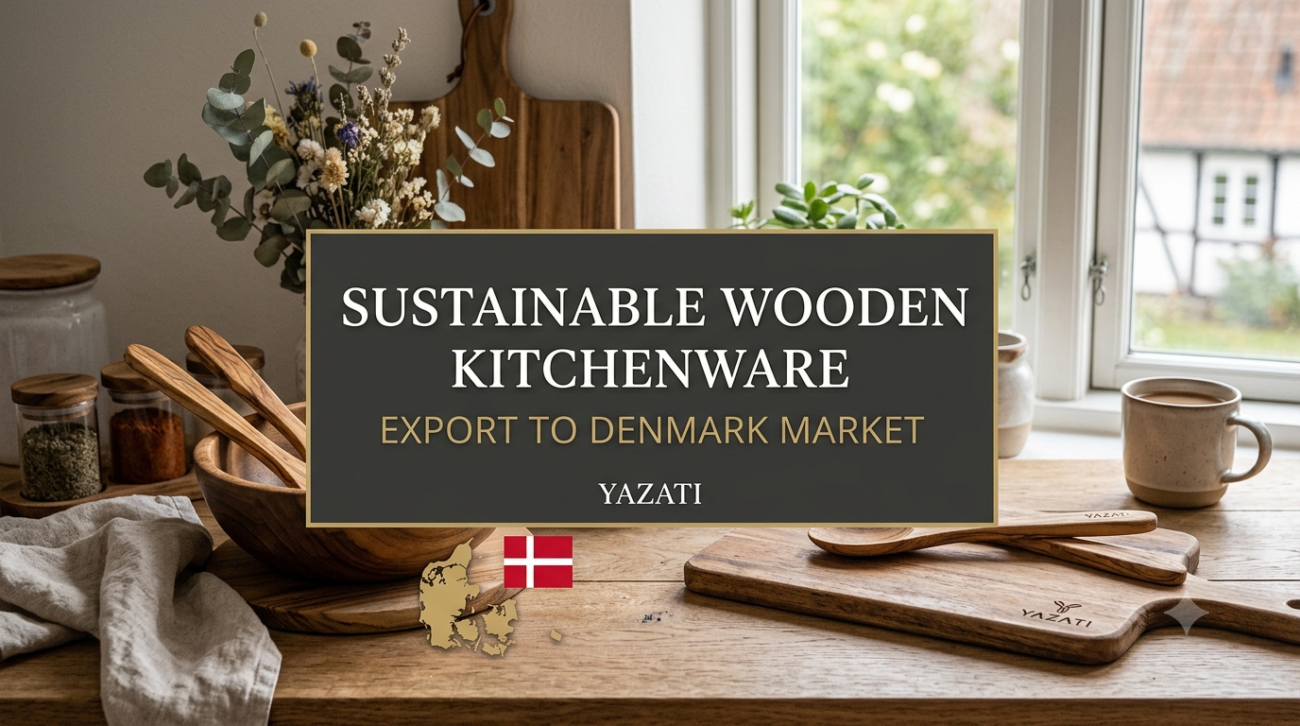
The Sustainable Wooden Kitchenware Export to Denmark Market has become one of the most promising opportunities for manufacturers and exporters worldwide. Denmark is recognized as one of Europe’s most environmentally conscious countries, where consumers actively seek eco-friendly, ethically produced, and durable household products. Wooden kitchenware made from sustainably managed forests aligns perfectly with Danish values of environmental responsibility, minimalist design, and long-lasting quality.
From wooden spoons and cutting boards to serving trays, salad bowls, spatulas, rolling pins, and kitchen organizers, sustainable wooden kitchen products are steadily replacing plastic alternatives in Danish homes. Consumers increasingly prefer products that combine functionality with environmental responsibility, creating excellent opportunities for exporters capable of meeting Denmark’s high standards.
For businesses planning to enter this market, success depends on more than offering attractive products. Exporters must understand Danish consumer behavior, European Union regulations, sustainability certifications, packaging expectations, pricing strategies, logistics, and effective marketing approaches.
This comprehensive guide explores every aspect of exporting sustainable wooden kitchenware to Denmark, helping manufacturers, exporters, and entrepreneurs build long-term success in this growing market.
Understanding Denmark’s Kitchenware Market
Denmark has established itself as one of Europe’s strongest markets for environmentally friendly household products. The country’s commitment to sustainability influences nearly every purchasing decision made by consumers. Rather than buying inexpensive disposable products, Danish households prefer investing in premium kitchenware that lasts for years.
Several factors contribute to the increasing demand for sustainable wooden kitchenware:
- Growing environmental awareness
- Government support for sustainable consumption
- Preference for natural materials
- Strong purchasing power
- Popularity of Scandinavian interior design
- Rising interest in plastic-free kitchens
Wooden kitchen utensils fit perfectly within Danish lifestyles because they are biodegradable, renewable, aesthetically pleasing, and practical.
Unlike many markets that compete mainly on price, Denmark rewards businesses that offer quality, sustainability, and transparent production practices.
Why Sustainable Wooden Kitchenware Is Growing
Environmental concerns continue to reshape global purchasing behavior, but Denmark remains one of the leaders in sustainable consumption.
Consumers increasingly recognize the environmental problems associated with single-use plastics and synthetic kitchen products. As a result, wooden alternatives have become highly attractive.
Key reasons behind market growth include:
Reduced Plastic Usage
Many Danish households are replacing plastic kitchen utensils with wooden alternatives that are renewable and biodegradable.
Health Benefits
Wood contains no harmful chemicals commonly associated with low-quality plastics.
Many consumers believe wooden utensils are safer for food preparation.
Long Product Life
Well-crafted wooden kitchenware can remain functional for many years with proper maintenance.
This long lifespan aligns with Denmark’s preference for purchasing fewer but higher-quality products.
Natural Appearance
Wood brings warmth and elegance into modern Scandinavian kitchens.
The natural grain patterns make each product unique, adding perceived value.
Consumer Buying Behavior in Denmark
Understanding customer preferences is essential for succeeding in the Sustainable Wooden Kitchenware Export to Denmark Market.
Danish consumers prioritize value rather than simply seeking the lowest price.
Important buying factors include:
Sustainability
Consumers actively research whether products originate from responsibly managed forests.
Product Quality
Cheap wooden products with rough finishing rarely succeed.
Smooth finishing, durability, and ergonomic design significantly influence purchasing decisions.
Transparency
Buyers appreciate brands that clearly explain:
- Source of wood
- Manufacturing process
- Environmental impact
- Worker welfare
- Certifications
Minimalist Design
Scandinavian consumers generally favor:
- Clean lines
- Neutral colors
- Functional shapes
- Timeless appearance
Highly decorative products may attract less demand compared to elegant minimalist designs.
Popular Wooden Kitchen Products
Several product categories consistently perform well in Denmark.
Wooden Cutting Boards
Cutting boards remain one of the strongest-selling products because they combine functionality with decorative appeal.
Consumers often purchase:
- Oak cutting boards
- Beech cutting boards
- Walnut serving boards
- Acacia chopping boards
Many households also use premium cutting boards for serving cheese, bread, and appetizers.
Wooden Cooking Utensils
Popular products include:
- Wooden spoons
- Spatulas
- Ladles
- Salad servers
- Mixing spoons
- Tongs
These products appeal to environmentally conscious consumers seeking plastic-free cooking tools.
Serving Trays
Minimalist serving trays continue to gain popularity due to Scandinavian dining traditions.
Products featuring natural finishes often outperform brightly painted alternatives.
Salad Bowls
Large handcrafted wooden bowls remain highly desirable.
Consumers appreciate:
- Handmade appearance
- Sustainable materials
- Smooth finishing
- Food-safe coatings
Rolling Pins
Traditional wooden rolling pins continue to enjoy steady demand among home bakers.
Premium hardwood varieties typically command higher prices.
Sustainability Trends Driving Demand
Denmark consistently ranks among the world’s most sustainable countries.
Several consumer trends continue supporting the growth of sustainable wooden kitchenware.
Zero-Waste Living
More households aim to reduce waste by purchasing reusable kitchen products instead of disposable alternatives.
Wooden utensils naturally fit into this lifestyle.
Circular Economy
Consumers increasingly support products that:
- Last longer
- Can be repaired
- Can be recycled
- Biodegrade naturally
Wood satisfies all these expectations.
Responsible Forestry
Products made from certified forests enjoy greater trust among environmentally conscious buyers.
Certification has become a competitive advantage rather than an optional feature.
Handcrafted Products
Mass-produced goods face growing competition from handcrafted kitchenware that demonstrates craftsmanship and authenticity.
Consumers often perceive handmade products as more sustainable and unique.
Required Certifications
Certifications play a vital role in building trust with Danish importers and consumers.
Commonly recognized certifications include:
FSC Certification
The Forest Stewardship Council (FSC) certification demonstrates that wood originates from responsibly managed forests.
This is one of the most recognized sustainability certifications in Europe.
PEFC Certification
The Programme for the Endorsement of Forest Certification (PEFC) is another widely accepted forest certification system.
It assures buyers that timber comes from sustainable sources.
Food Contact Compliance
Wooden kitchenware intended for food preparation must comply with applicable European Union food-contact material requirements, ensuring that finishes, coatings, and treatments are safe for their intended use.
Quality Management
Many professional buyers also prefer suppliers with internationally recognized quality management systems, such as ISO 9001, to demonstrate consistent manufacturing processes.
EU Import Regulations for Wooden Kitchenware
Understanding and complying with European Union (EU) regulations is essential for exporters targeting Denmark. Since Denmark is an EU member state, products entering the Danish market must meet EU-wide requirements in addition to any buyer-specific standards.
Food Contact Material Requirements
Wooden kitchenware intended for preparing, serving, or storing food must be manufactured using materials that are safe for food contact. Any oils, waxes, adhesives, or coatings used during production should be food-safe and suitable for their intended use.
Exporters should maintain technical documentation demonstrating product compliance, as importers may request supporting evidence before placing orders.
Timber Legality
European buyers expect proof that the wood has been harvested legally. Maintaining a transparent supply chain with complete documentation helps build trust and simplifies customs procedures.
Phytosanitary Considerations
Depending on the product type and the exporting country, untreated wooden products or wooden packaging materials may need to comply with international phytosanitary standards to prevent the spread of pests. Exporters should verify the latest requirements with freight forwarders and customs authorities before shipment.
Product Labeling
Professional labeling improves buyer confidence and may include:
- Product name
- Wood species
- Country of origin
- Care instructions
- Food-safe declaration (where applicable)
- Sustainability certification logos (when certified)
Clear, attractive, and informative labels can significantly enhance the product’s perceived value.
Product Design Preferences in Denmark
Design is one of the most important factors influencing purchasing decisions in Denmark. Danish consumers appreciate products that combine functionality, simplicity, and timeless elegance.
Minimalist Aesthetics
Simple designs with clean lines and smooth finishes are highly preferred. Products should feel modern while showcasing the natural beauty of the wood.
Popular Characteristics
- Rounded edges
- Ergonomic handles
- Natural wood grain
- Matte or satin finishes
- Neutral colors
- Lightweight construction
Overly decorative carvings or bright artificial colors are generally less appealing to the Scandinavian market.
Multi-Functional Products
Products that serve multiple purposes are increasingly popular. Examples include:
- Cutting boards that double as serving platters
- Storage containers with integrated lids
- Wooden trays suitable for serving and decoration
- Stackable kitchen organizers
Practical innovation can help products stand out in a competitive market.
Eco-Friendly Packaging Expectations
Packaging is often the first physical interaction customers have with a product. Sustainable packaging reinforces a brand’s environmental commitment and aligns with Danish consumer expectations.
Preferred Packaging Materials
Exporters should prioritize:
- Recycled cardboard
- Kraft paper
- Paper tape
- Compostable packaging
- Soy-based inks
Reducing unnecessary plastic is highly valued.
Packaging Design Tips
Effective packaging should:
- Protect the product during transport
- Be easy to recycle
- Clearly communicate sustainability efforts
- Reflect Scandinavian design principles
Minimalistic packaging with clean typography and earthy colors often performs well.
Pricing Strategies for the Danish Market
Pricing should reflect both product quality and market expectations.
Value-Based Pricing
Rather than competing solely on price, exporters should focus on the overall value they provide, including:
- Sustainable sourcing
- Superior craftsmanship
- Attractive design
- Long product lifespan
- Reliable customer service
Many Danish consumers are willing to pay a premium for products that align with their values.
Factors Affecting Pricing
Consider the following when calculating export prices:
- Raw material costs
- Labor expenses
- Certification fees
- Packaging costs
- Shipping and insurance
- Import duties (if applicable)
- Retail margins
Transparent pricing helps establish long-term business relationships.
Distribution Channels
Selecting the right distribution channels is critical for market success.
Wholesale Importers
Many exporters begin by partnering with established Danish importers who already supply retailers and specialty stores.
Benefits include:
- Existing market knowledge
- Distribution networks
- Reduced marketing costs
- Easier market entry
Retail Stores
Potential retail partners include:
- Home décor shops
- Kitchenware boutiques
- Eco-friendly lifestyle stores
- Gift shops
- Department stores
Products with attractive packaging and consistent quality are more likely to secure shelf space.
E-Commerce
Online shopping continues to grow across Denmark. Exporters can work with:
- Local online retailers
- European marketplaces
- Direct-to-consumer websites
High-quality product photography, detailed descriptions, and customer reviews play a major role in online sales success.
Marketing Strategies for Sustainable Wooden Kitchenware
A well-planned marketing strategy helps exporters build brand recognition and customer loyalty.
Tell Your Sustainability Story
Consumers increasingly want to know:
- Where the wood comes from
- How products are made
- Who manufactures them
- How the business supports environmental responsibility
Authentic storytelling creates emotional connections with buyers.
Professional Product Photography
Show products in real kitchen settings with natural lighting.
Lifestyle images often perform better than plain catalog photos because they help customers imagine using the products in their own homes.
Content Marketing
Useful educational content can attract potential customers, such as:
- Kitchen care guides
- Sustainability articles
- Wooden kitchenware maintenance tips
- Healthy cooking inspiration
Publishing valuable content improves search engine visibility and establishes brand authority.
Social Media Marketing
Platforms such as Instagram, Pinterest, and LinkedIn are effective for showcasing wooden kitchenware.
Focus on:
- Product demonstrations
- Behind-the-scenes manufacturing
- Customer testimonials
- Sustainability initiatives
Consistent branding strengthens customer trust.
Common Challenges in Exporting
While the Danish market offers significant opportunities, exporters should prepare for several challenges.
Strong Competition
Many international suppliers already serve the Danish market.
To stand out, businesses should emphasize:
- Superior craftsmanship
- Certified sustainability
- Reliable delivery
- Unique product designs
Regulatory Compliance
Keeping up with evolving European regulations requires ongoing attention and documentation.
Working with experienced customs brokers and freight forwarders can simplify compliance.
Shipping Costs
Wooden products can be bulky, increasing transportation expenses.
Optimizing packaging dimensions and shipment planning can help reduce logistics costs.
Maintaining Consistent Quality
European buyers expect consistent quality across every shipment.
Implementing robust quality control procedures reduces defects and strengthens long-term partnerships.
Future Opportunities
The outlook for the Sustainable Wooden Kitchenware Export to Denmark Market remains highly positive.
Several trends are expected to drive future growth:
- Increased demand for plastic-free kitchens
- Rising popularity of sustainable home décor
- Expansion of eco-friendly online retail
- Greater consumer awareness of responsible sourcing
- Continued growth in premium handcrafted products
Exporters that invest in innovation, sustainability, and product quality are well positioned to benefit from these trends.
Frequently Asked Questions (FAQs)
1. Why is Denmark an attractive market for sustainable wooden kitchenware?
Denmark has environmentally conscious consumers with strong purchasing power who value sustainable, durable, and well-designed household products.
2. Which wood species are popular in Denmark?
Oak, beech, walnut, ash, maple, and acacia are commonly used because of their durability, appearance, and suitability for kitchen applications.
3. Is sustainability certification important?
Yes. Certifications such as FSC or PEFC can increase buyer confidence and improve access to environmentally focused retailers.
4. What types of wooden kitchenware are in highest demand?
Popular products include cutting boards, serving trays, wooden spoons, spatulas, salad bowls, rolling pins, and serving utensils.
5. How can exporters differentiate themselves?
Businesses can stand out by offering certified sustainable materials, excellent craftsmanship, innovative designs, premium packaging, and transparent sourcing practices.
6. What is the biggest challenge when exporting to Denmark?
Meeting high quality expectations while remaining price competitive is one of the most significant challenges. Compliance with EU regulations and maintaining reliable delivery schedules are also essential.
Conclusion
The Sustainable Wooden Kitchenware Export to Denmark Market presents a compelling opportunity for manufacturers and exporters committed to quality, sustainability, and innovation. Denmark’s environmentally conscious consumers actively seek products that combine functionality, durability, and responsible sourcing, making sustainable wooden kitchenware an ideal fit for this growing market.
Success, however, requires more than producing attractive wooden products. Exporters must understand Danish consumer preferences, comply with EU regulations, invest in recognized sustainability certifications, and deliver consistent product quality. Thoughtful product design, eco-friendly packaging, transparent communication, and strategic partnerships with importers and retailers can further strengthen market position.
As demand for sustainable household products continues to grow, businesses that embrace responsible manufacturing and long-term customer relationships will be well positioned to thrive in Denmark. By aligning products with Scandinavian design values and environmental expectations, exporters can build a strong reputation and unlock lasting growth in one of Europe’s most sustainability-focused markets.
Learn More: For additional guidance on exporting to the European Union, consult the European Commission’s trade resources at https://trade.ec.europa.eu/ for the latest market access information and regulatory updates.
✨ Discover Global Sourcing Excellence with Netyex ✨
Netyex is your trusted B2B sourcing partner, connecting international buyers with India’s finest manufacturers and curated product lines—from handicrafts and home décor to kitchenware, textiles, hospitality essentials, and more. With verified suppliers and end-to-end support, we make global procurement seamless, reliable, and efficient.
👉 Elevate your sourcing experience—explore Netyex today.
📦 Bulk orders & customisation | 🌍 Worldwide delivery | 🤝 Trusted by global buyers
Visit Netyex to source premium Indian products with confidence.