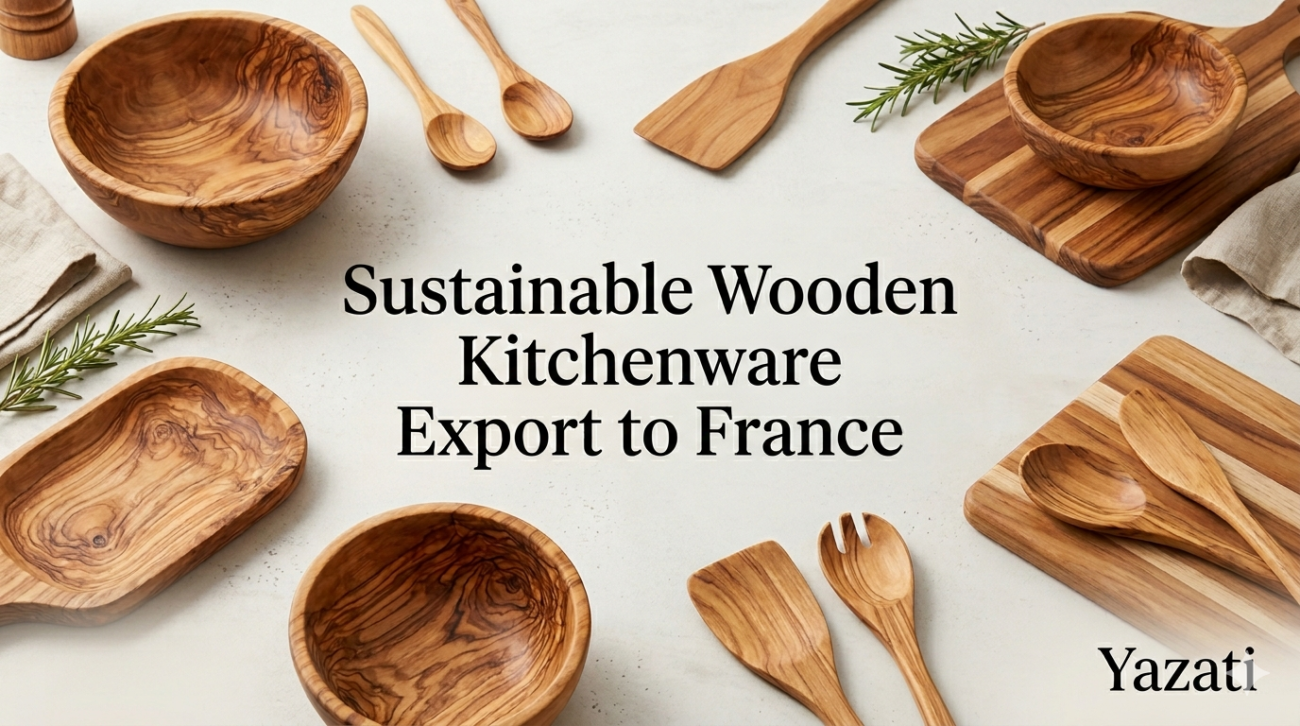
Introduction to the French Market
The market for Sustainable Wooden Kitchenware Export to France has expanded significantly in recent years. French consumers are increasingly choosing environmentally responsible products that align with sustainable lifestyles. Wooden kitchenware, when sourced responsibly and manufactured according to international standards, fits perfectly into this growing demand.
France is one of Europe’s largest consumer markets for home goods and kitchen accessories. The country’s strong environmental awareness, combined with a preference for high-quality household products, creates attractive opportunities for exporters of sustainable wooden kitchenware.
Why Sustainable Wooden Kitchenware Is in Demand
Consumer Preference for Eco-Friendly Products
French consumers are paying closer attention to the environmental impact of their purchases. Products made from renewable resources often appeal to buyers who want alternatives to plastic-based kitchen tools.
Key purchasing factors include:
- Sustainability
- Product durability
- Natural materials
- Ethical sourcing
- Recyclable packaging
Growth of Sustainable Living Trends
Sustainability is no longer a niche trend. It has become part of mainstream consumer behavior. Many households actively seek products that reduce environmental impact while maintaining quality and functionality.
Wooden kitchenware products satisfy these expectations because they are:
- Biodegradable
- Renewable
- Long-lasting
- Visually appealing
- Suitable for eco-conscious lifestyles
Overview of the French Kitchenware Industry
The French kitchenware market remains one of Europe’s most sophisticated sectors. Consumers appreciate both functionality and aesthetics, creating strong demand for premium wooden products.
Market Size and Growth Potential
Several factors support market growth:
| Growth Driver | Impact |
|---|---|
| Eco-conscious consumers | High |
| Premium kitchen trends | High |
| Sustainable retail expansion | Medium |
| E-commerce growth | High |
| Green regulations | Medium |
Key Distribution Channels
Exporters can reach French buyers through:
- Retail chains
- Specialty kitchen stores
- Eco-friendly lifestyle shops
- Online marketplaces
- Interior design boutiques
- Hospitality suppliers
Types of Wooden Kitchenware Popular in France
Cutting Boards
Wooden cutting boards remain among the most sought-after kitchen accessories. Consumers appreciate their durability and natural appearance.
Popular wood choices include:
- Acacia
- Beech
- Oak
- Bamboo
- Walnut
Wooden Spoons and Spatulas
Wooden cooking utensils are widely used because they are gentle on cookware and provide a traditional cooking experience.
Serving Trays and Bowls
French consumers often prefer stylish serving accessories that combine functionality with elegant design.
Sustainable Sourcing Requirements
Sustainability begins with responsible sourcing.
Responsible Forestry Practices
Buyers increasingly request proof that wood originates from responsibly managed forests.
Important sustainability practices include:
- Controlled harvesting
- Reforestation efforts
- Biodiversity protection
- Traceability systems
FSC and PEFC Certifications
Recognized certifications enhance credibility.
| Certification | Purpose |
|---|---|
| FSC | Responsible forest management |
| PEFC | Sustainable forestry verification |
| ISO Standards | Quality and management assurance |
Certification can significantly improve acceptance among French importers and retailers.
Quality Standards for Export
Product Safety Expectations
Kitchenware must be safe for food contact and free from harmful chemicals.
Exporters should focus on:
- Non-toxic finishes
- Food-safe oils
- Smooth surfaces
- Proper moisture control
Durability and Design Requirements
French consumers value products that combine beauty and practicality.
Successful products often feature:
- Minimalist designs
- Premium craftsmanship
- Ergonomic functionality
- Natural finishes
French and EU Import Regulations
Understanding regulations is essential for successful market entry.
Food Contact Material Compliance
Wooden kitchenware used with food may require compliance with relevant European food-contact requirements.
Exporters should maintain:
- Material declarations
- Laboratory test reports
- Supplier documentation
- Traceability records
Customs Documentation
Common export documents include:
- Commercial invoice
- Packing list
- Certificate of origin
- Shipping documents
- Product specifications
For official regulatory guidance, exporters should consult the European Commission website: https://ec.europa.eu
Packaging and Labeling Best Practices
Eco-Friendly Packaging
Packaging can influence purchasing decisions.
Recommended materials include:
- Recycled cardboard
- Paper wraps
- Compostable fillers
- Water-based inks
Mandatory Product Information
Labels should clearly provide:
- Product name
- Material type
- Country of origin
- Care instructions
- Importer details where required
Logistics and Shipping Considerations
Sea Freight vs Air Freight
| Method | Advantages | Disadvantages |
|---|---|---|
| Sea Freight | Lower cost | Longer transit time |
| Air Freight | Faster delivery | Higher cost |
For bulk shipments, sea freight is typically the preferred option.
Warehousing and Distribution
Many exporters partner with:
- French distributors
- Third-party logistics providers
- E-commerce fulfillment centers
This approach improves delivery speed and customer satisfaction.
Pricing Strategy for the French Market
Pricing should reflect both product quality and market expectations.
Cost Structure Analysis
Consider:
- Raw materials
- Manufacturing costs
- Packaging expenses
- Freight charges
- Customs duties
- Marketing costs
Competitive Positioning
Three common positioning strategies include:
- Premium artisan products
- Mid-market sustainable products
- Value-focused eco-friendly alternatives
Premium positioning often performs well due to France’s appreciation for craftsmanship and quality.
Marketing Sustainable Wooden Kitchenware Export to France
Digital Marketing Approaches
Modern exporters should leverage:
- SEO
- Social media marketing
- Influencer collaborations
- Email campaigns
- Online marketplaces
Content highlighting sustainability stories can significantly improve brand perception.
Trade Shows and B2B Networking
Industry exhibitions remain valuable for building buyer relationships.
Benefits include:
- Product demonstrations
- Market feedback
- Distributor meetings
- Brand visibility
Building Relationships with French Buyers
Understanding Business Culture
French business partners generally value:
- Professional communication
- Product quality
- Transparency
- Long-term partnerships
Negotiation Tips
Successful negotiations often involve:
- Detailed product information
- Competitive pricing
- Consistent quality assurance
- Reliable delivery schedules
Trust is often more important than short-term price advantages.
Challenges and Risk Management
Regulatory Changes
Exporters should monitor:
- Sustainability regulations
- Packaging requirements
- Environmental standards
- Customs procedures
Supply Chain Disruptions
Risk management strategies include:
- Multiple suppliers
- Inventory planning
- Logistics diversification
- Long-term contracts
Future Trends and Opportunities
The future of Sustainable Wooden Kitchenware Export to France appears promising.
Emerging trends include:
- Carbon-neutral manufacturing
- Smart traceability systems
- Eco-luxury kitchenware
- Personalized wooden products
- Circular economy initiatives
Companies that invest in sustainability, quality, and transparency are likely to gain a competitive advantage in the coming years.
Frequently Asked Questions (FAQs)
1. Why is France a good market for sustainable wooden kitchenware?
France has strong consumer interest in environmentally responsible products, making it an attractive destination for sustainable kitchenware exports.
2. Which wooden kitchenware products sell best in France?
Cutting boards, serving trays, wooden spoons, spatulas, bowls, and premium handcrafted kitchen accessories are among the most popular items.
3. Do exporters need sustainability certifications?
While not always mandatory, certifications such as FSC and PEFC can increase buyer confidence and improve market access.
4. What packaging is preferred by French consumers?
Eco-friendly, recyclable, and minimal packaging is generally preferred because it aligns with sustainability values.
5. What is the biggest challenge in exporting wooden kitchenware to France?
Compliance with EU regulations, maintaining product quality, and managing logistics efficiently are among the primary challenges.
6. How can exporters find French buyers?
Exporters can connect with buyers through trade shows, B2B marketplaces, distributors, import agents, and digital marketing channels.
7. Is premium positioning effective in France?
Yes. French consumers often appreciate high-quality craftsmanship, elegant design, and sustainable sourcing, making premium products attractive.
Conclusion
Sustainable Wooden Kitchenware Export to France presents a valuable opportunity for manufacturers and exporters seeking growth in the European market. France’s increasing commitment to sustainability, combined with strong demand for quality household products, creates favorable conditions for long-term success. Exporters that prioritize responsible sourcing, regulatory compliance, attractive design, and reliable logistics can establish strong relationships with French buyers and build a profitable presence in this expanding market.
✨ Discover Global Sourcing Excellence with Netyex ✨
Netyex is your trusted B2B sourcing partner, connecting international buyers with India’s finest manufacturers and curated product lines—from handicrafts and home décor to kitchenware, textiles, hospitality essentials, and more. With verified suppliers and end-to-end support, we make global procurement seamless, reliable, and efficient.
👉 Elevate your sourcing experience—explore Netyex today.
📦 Bulk orders & customisation | 🌍 Worldwide delivery | 🤝 Trusted by global buyers
Visit Netyex to source premium Indian products with confidence.