Introduction
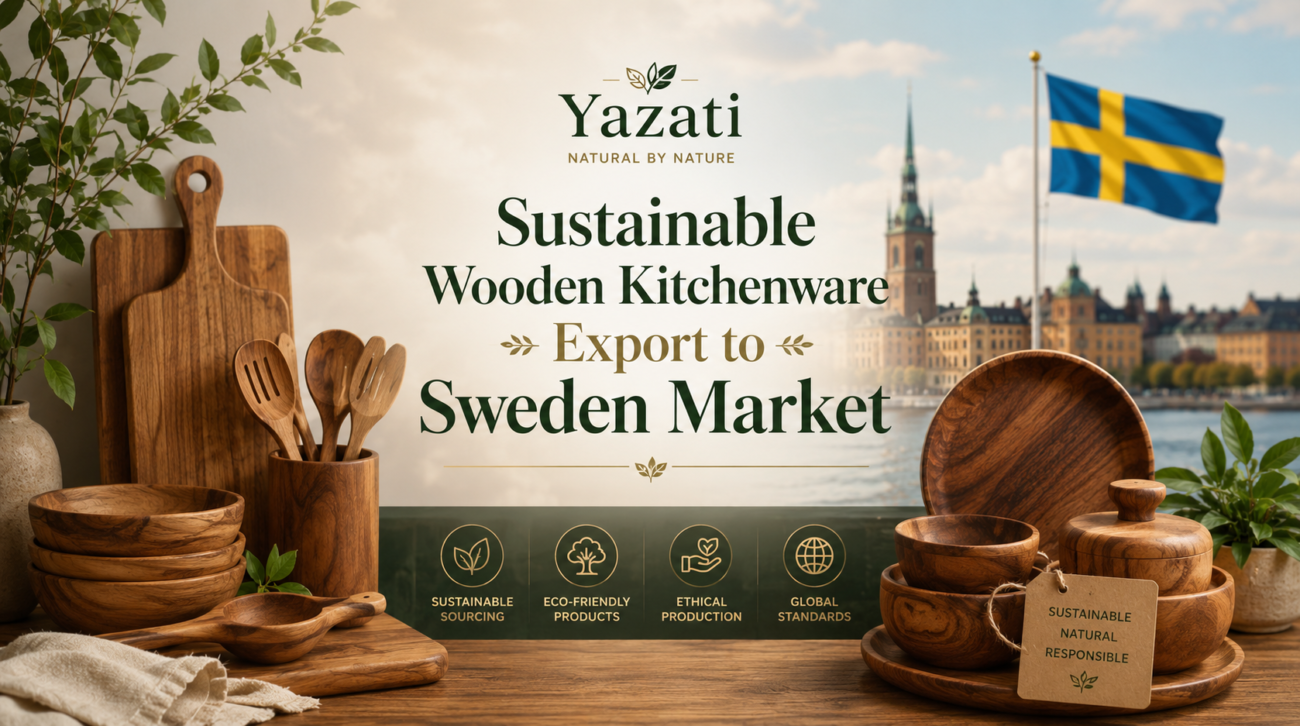
The Sustainable Wooden Kitchenware Export to Sweden Market presents a significant opportunity for manufacturers and exporters looking to expand into Northern Europe. Sweden is recognized as one of the world’s most environmentally conscious countries, where consumers actively seek products that align with sustainability, ethical sourcing, and minimal environmental impact.
Wooden kitchenware—including cutting boards, spoons, spatulas, serving trays, salad bowls, and storage containers—fits perfectly within Sweden’s growing preference for natural, renewable, and biodegradable household products. As awareness of climate change and responsible consumption increases, Swedish households are replacing plastic kitchen accessories with eco-friendly alternatives made from sustainably sourced wood.
For exporters, especially those from countries with abundant forestry resources and strong craftsmanship traditions, Sweden offers an attractive market characterized by high purchasing power, stable demand, and appreciation for premium-quality products. However, entering this market requires more than simply offering wooden products. Businesses must understand Swedish consumer behavior, comply with European Union regulations, obtain recognized sustainability certifications, and implement effective branding and distribution strategies.
This guide explores everything exporters need to know about successfully entering the Swedish market with sustainable wooden kitchenware. From market trends and product opportunities to compliance requirements and marketing tactics, you’ll gain practical insights for building a successful export business.
Why Sweden is an Attractive Market for Sustainable Kitchenware
Sweden consistently ranks among the world’s leading countries in sustainability and environmental awareness. Consumers are willing to pay premium prices for products that demonstrate environmental responsibility, ethical manufacturing, and long-term durability.
Several factors make Sweden particularly attractive for exporters of sustainable wooden kitchenware.
High Environmental Awareness
Swedish consumers actively support brands that reduce carbon emissions, minimize waste, and promote renewable materials. Products made from responsibly harvested wood naturally align with these values.
Strong Purchasing Power
Sweden has one of Europe’s highest standards of living, allowing consumers to invest in premium kitchen accessories instead of choosing cheaper disposable alternatives.
Preference for Scandinavian Design
Simple, elegant, and functional designs dominate Swedish interiors. Wooden kitchenware with clean lines, natural finishes, and minimalist aesthetics complements Scandinavian home décor perfectly.
Growing Eco-Friendly Retail Sector
Many Swedish retailers now prioritize environmentally responsible suppliers, creating opportunities for exporters who can demonstrate sustainable sourcing and transparent production practices.
Overview of Sweden’s Kitchenware Industry
Sweden’s kitchenware industry has evolved considerably over the past decade. Rather than focusing solely on functionality, consumers increasingly seek products that combine design, sustainability, and long-term value.
Several trends shape the industry:
- Rising demand for natural materials
- Increased interest in handmade products
- Growth of sustainable home décor
- Expansion of online retail
- Preference for locally inspired Scandinavian aesthetics
Wood remains one of the most trusted materials because it offers warmth, durability, and environmental benefits compared to plastic or synthetic alternatives.
International suppliers that understand Swedish design preferences and quality expectations are well positioned to capture market share.
Consumer Preferences in Sweden
Understanding consumer preferences is essential for succeeding in the Swedish market.
Modern Swedish buyers value products that deliver:
- Sustainability
- High quality
- Timeless design
- Functional usability
- Ethical manufacturing
- Recyclable packaging
- Transparency in sourcing
Instead of purchasing multiple inexpensive products, Swedish households often invest in fewer, higher-quality items designed to last for many years.
Consumers also pay close attention to the story behind a product. Brands that communicate responsible forestry practices, artisan craftsmanship, and environmentally friendly production methods often gain greater trust and loyalty.
Minimalist product designs generally perform better than heavily decorated alternatives, reflecting Sweden’s appreciation for simplicity and practicality.
Growing Demand for Eco-Friendly Wooden Kitchenware
Demand for sustainable kitchen products continues to increase as consumers become more environmentally conscious.
Several factors contribute to this growth:
Reduction of Plastic Waste
Governments, retailers, and consumers are actively reducing dependence on single-use plastics. Wooden kitchen utensils offer an attractive renewable alternative.
Sustainable Living
Eco-conscious lifestyles encourage consumers to replace synthetic household products with natural materials such as bamboo, oak, beech, acacia, and teak.
Health Benefits
Unlike some plastic products, high-quality wooden kitchenware does not release harmful chemicals during cooking and is generally considered a safer option when properly maintained.
Long Product Lifespan
Durable wooden products often last for years with proper care, reducing waste and supporting circular economy principles.
Aesthetic Appeal
Natural wood enhances kitchen interiors with warmth and elegance, making these products popular as both functional tools and decorative items.
Types of Wooden Kitchenware with High Export Potential
Not every wooden product experiences the same level of demand. Exporters should prioritize categories with consistent consumer interest.
Wooden Cutting Boards
Cutting boards remain one of the most popular wooden kitchen products in Sweden.
Consumers appreciate:
- Natural grain patterns
- Durability
- Knife-friendly surfaces
- Attractive serving functionality
- Long lifespan
Premium hardwood species often command higher prices when paired with elegant Scandinavian-inspired designs.
Wooden Cooking Utensils
Wooden spoons, spatulas, ladles, tongs, and turners continue to replace plastic cooking tools in environmentally conscious households.
Popular characteristics include:
- Smooth finish
- Heat resistance
- Comfortable grip
- Food-safe oil coating
- Sustainable wood sourcing
Many consumers purchase complete utensil sets instead of individual pieces.
Serving Trays and Bowls
Serving accessories represent one of the fastest-growing premium product categories.
Consumers use wooden trays and bowls for:
- Salads
- Fruit
- Bread
- Cheese platters
- Entertaining guests
Natural finishes and handcrafted details significantly increase perceived value.
Wooden Spice Containers
Reusable wooden spice jars and storage containers appeal to consumers seeking plastic-free kitchens.
These products combine functionality with decorative appeal while supporting sustainable household practices.
Sustainability Trends Driving Market Growth
Sustainability is no longer a niche preference in Sweden—it has become a mainstream expectation. Consumers increasingly evaluate products based on their environmental impact, lifecycle, and the ethical practices of the companies that manufacture them. For exporters, understanding these trends is essential for long-term success in the Sustainable Wooden Kitchenware Export to Sweden Market.
Circular Economy
Sweden actively promotes a circular economy, where products are designed to last longer, be repaired when possible, and eventually be recycled or biodegraded. Durable wooden kitchenware aligns well with this philosophy because it reduces waste compared to disposable plastic alternatives.
Renewable Materials
Wood sourced from responsibly managed forests is considered a renewable resource. Consumers often look for products made from FSC® or PEFC-certified timber, as these certifications demonstrate responsible forestry practices.
Carbon Footprint Reduction
Many Swedish buyers prefer products manufactured using energy-efficient processes and shipped using environmentally responsible logistics. Exporters can strengthen their market position by measuring and reducing their carbon footprint and communicating these efforts transparently.
Plastic-Free Living
The movement toward plastic-free kitchens continues to grow. Wooden utensils, cutting boards, and serving accessories are increasingly replacing plastic products in both homes and restaurants.
Ethical Supply Chains
Consumers and retailers want assurance that products are manufactured under fair labor conditions. Transparent sourcing, responsible manufacturing, and ethical employment practices can become powerful selling points.
Sweden Import Regulations
Exporting wooden kitchenware to Sweden requires compliance with both Swedish and European Union regulations. Understanding these requirements before shipment helps prevent delays, additional costs, or rejected consignments.
Customs Documentation
Typical export documentation includes:
- Commercial invoice
- Packing list
- Bill of lading or airway bill
- Certificate of origin (where applicable)
- Customs declaration
- Import documentation required by EU authorities
Accurate documentation ensures smoother customs clearance and minimizes administrative issues.
Product Safety Requirements
Kitchenware intended for food preparation must be safe for consumer use. Products should be free from harmful chemicals, excessive coatings, or finishes that may contaminate food.
Timber Legality
Wood products entering the EU must comply with regulations designed to prevent the trade of illegally harvested timber. Exporters should maintain complete records demonstrating the legal origin of the wood used in manufacturing.
Tariff Classification
Correct Harmonized System (HS) codes are essential for customs processing and duty calculations. Consulting a customs broker or trade advisor can help ensure products are classified accurately.
Certifications Required for Export
Certifications help build trust with Swedish buyers and retailers. While not every certification is legally mandatory, many importers strongly prefer or require them.
FSC Certification
The Forest Stewardship Council (FSC®) certification is one of the most recognized sustainability labels worldwide.
Benefits include:
- Demonstrates responsible forest management
- Builds credibility with environmentally conscious consumers
- Increases acceptance among Swedish retailers
- Supports premium pricing opportunities
FSC-certified products often receive greater visibility in retail channels focused on sustainability.
PEFC Certification
The Programme for the Endorsement of Forest Certification (PEFC) is another respected forestry certification.
PEFC emphasizes:
- Sustainable forest management
- Biodiversity conservation
- Responsible harvesting
- Social responsibility
Some buyers accept either FSC or PEFC certification, while others may specify a preference.
Food Contact Compliance
Wooden kitchenware intended for food preparation should comply with applicable EU food-contact regulations. Exporters should ensure that:
- Finishes and coatings are food-safe
- Adhesives meet regulatory standards
- Products do not transfer harmful substances to food during normal use
Maintaining laboratory test reports and technical documentation can facilitate importer confidence and regulatory compliance.
Packaging Requirements
Packaging plays a crucial role in protecting products while reinforcing a brand’s sustainability message.
Eco-Friendly Packaging
Swedish consumers increasingly prefer:
- Recyclable cardboard
- Paper-based protective materials
- Compostable packaging
- Plastic-free wrapping
- Soy-based printing inks
Using sustainable packaging not only reduces environmental impact but also strengthens brand perception.
Product Protection
Export packaging should safeguard products against:
- Moisture
- Impact during transport
- Surface scratches
- Warping due to humidity changes
Proper cushioning and palletization reduce the risk of damage during international shipping.
Informative Labeling
Labels should clearly communicate:
- Material type
- Country of origin
- Care instructions
- Sustainability certifications
- Brand information
- Barcode and product identification
Clear, multilingual labeling can improve the customer experience and facilitate retail distribution.
Distribution Channels
Choosing the right distribution strategy is essential for reaching Swedish consumers effectively.
Importers and Distributors
Partnering with established distributors provides immediate access to existing retail networks and market expertise. This approach is particularly suitable for companies entering Sweden for the first time.
Retail Chains
Many Swedish homeware and lifestyle retailers actively seek sustainable products. Building relationships with retail buyers can open opportunities for nationwide distribution.
E-Commerce
Online shopping continues to grow in Sweden. Exporters can sell through:
- Brand-owned websites
- International marketplaces
- Scandinavian online retailers
- Home décor platforms
High-quality product photography, detailed descriptions, and sustainability messaging are especially important for online sales.
Hospitality Sector
Hotels, cafés, restaurants, and catering businesses increasingly adopt sustainable kitchenware as part of their environmental initiatives. This business-to-business (B2B) segment offers opportunities for larger-volume orders.
Pricing Strategy
Swedish consumers generally prioritize quality and sustainability over the lowest price. Nevertheless, pricing should remain competitive while reflecting product value.
Value-Based Pricing
Instead of competing solely on cost, emphasize:
- Premium craftsmanship
- Sustainable sourcing
- Durability
- Design quality
- Ethical production
This approach supports healthier profit margins and appeals to consumers seeking long-lasting products.
Cost Considerations
When calculating export prices, include:
- Raw material costs
- Manufacturing expenses
- Certification fees
- Packaging
- Freight and insurance
- Customs duties
- Distributor margins
- Marketing expenses
A comprehensive pricing model helps maintain profitability while meeting market expectations.
Product Bundling
Offering coordinated product sets—such as cutting boards paired with utensils or serving bowls—can increase average order value and provide customers with a more attractive purchasing option.
Marketing Strategy for the Swedish Market
A well-planned marketing strategy is essential for building brand recognition and increasing sales in the Sustainable Wooden Kitchenware Export to Sweden Market. Swedish consumers value authenticity, sustainability, and transparency. Marketing efforts should therefore focus on communicating these qualities consistently across all channels.
Build a Strong Brand Story
Consumers are more likely to support brands with a compelling story. Highlight:
- Sustainable forestry practices
- Skilled craftsmanship
- Ethical manufacturing
- Renewable raw materials
- Commitment to reducing environmental impact
Sharing the journey from responsibly managed forests to finished kitchenware helps create an emotional connection with buyers.
Invest in High-Quality Product Photography
Professional images are essential for both e-commerce and retail catalogs. Showcase:
- Natural wood grain
- Product functionality
- Scandinavian-style kitchen settings
- Lifestyle applications
- Close-up craftsmanship details
High-quality visuals improve customer confidence and increase conversion rates.
Optimize for Search Engines (SEO)
Businesses selling online should optimize their websites with relevant keywords such as:
- Sustainable wooden kitchenware
- Eco-friendly kitchen utensils
- FSC certified wooden products
- Wooden cutting boards
- Scandinavian kitchen accessories
Publishing educational blogs about sustainable living, kitchen care, and responsible sourcing can also improve search visibility.
Leverage Social Media
Platforms such as Instagram, Pinterest, and LinkedIn are valuable for promoting visually appealing kitchenware products.
Content ideas include:
- Behind-the-scenes manufacturing
- Wood sourcing stories
- Product care tips
- Customer testimonials
- Sustainable lifestyle inspiration
- Recipe demonstrations using wooden kitchenware
Participate in International Trade Fairs
Trade fairs provide opportunities to connect directly with buyers, distributors, and retailers. Exhibiting sustainable products at international homeware and consumer goods exhibitions can generate valuable business leads and strengthen brand credibility.
Challenges and Solutions
While the Swedish market offers excellent opportunities, exporters should be prepared to address several common challenges.
| Challenge | Recommended Solution |
|---|---|
| Strong competition | Differentiate through sustainability, design, and quality. |
| Strict environmental regulations | Obtain recognized certifications and maintain complete compliance documentation. |
| Shipping costs | Optimize packaging and consolidate shipments where possible. |
| Currency fluctuations | Use appropriate pricing strategies and consider hedging for large contracts. |
| Building brand recognition | Invest in digital marketing, partnerships, and consistent branding. |
| Meeting retailer expectations | Ensure reliable production capacity and consistent product quality. |
By proactively addressing these challenges, exporters can establish long-term relationships with Swedish buyers and reduce operational risks.
Future Market Opportunities
The outlook for the Sustainable Wooden Kitchenware Export to Sweden Market remains highly positive. Several emerging trends are expected to support continued growth over the coming years.
Expansion of Sustainable Living
Consumers are increasingly incorporating sustainability into every aspect of their homes. This trend will continue to drive demand for environmentally responsible kitchenware.
Growth of Premium Home Products
Rather than purchasing inexpensive, disposable items, many Swedish households are investing in premium-quality products designed for durability and timeless appeal.
Increased Online Retail
E-commerce will remain a major growth channel, allowing international exporters to reach Swedish consumers directly while expanding their market presence.
Innovation in Product Design
Manufacturers that combine functionality with elegant Scandinavian-inspired aesthetics are likely to gain a competitive advantage. Innovative features such as modular designs, ergonomic handles, and multifunctional products can further enhance appeal.
Corporate Sustainability Initiatives
Businesses, restaurants, hotels, and hospitality providers are increasingly adopting sustainable purchasing policies. This creates additional B2B opportunities for exporters offering certified wooden kitchenware.
Frequently Asked Questions (FAQs)
1. Why is Sweden a promising market for sustainable wooden kitchenware?
Sweden has a strong culture of environmental responsibility, high purchasing power, and a growing preference for eco-friendly household products. Consumers actively seek durable, ethically produced kitchenware made from renewable materials.
2. Which wooden kitchenware products are most popular in Sweden?
Popular products include:
- Cutting boards
- Wooden spoons
- Spatulas
- Serving trays
- Salad bowls
- Spice containers
- Wooden tongs
- Kitchen utensil sets
Minimalist designs that complement Scandinavian interiors are particularly well received.
3. Are sustainability certifications important for exporting to Sweden?
Yes. Certifications such as FSC® and PEFC help demonstrate responsible forest management and are often preferred by Swedish retailers and environmentally conscious consumers. They can also enhance brand credibility and support premium pricing.
4. What type of packaging should exporters use?
Eco-friendly packaging is highly recommended. Recyclable cardboard, paper-based cushioning, compostable materials, and minimal plastic use align with Swedish consumer expectations and reinforce a sustainable brand image.
5. What are the main challenges for exporters entering the Swedish market?
Common challenges include:
- Intense competition
- Compliance with EU regulations
- Shipping and logistics costs
- Building brand awareness
- Meeting high quality expectations
Careful planning, certifications, and effective marketing can help overcome these obstacles.
6. How can exporters differentiate themselves from competitors?
Successful exporters focus on:
- Certified sustainable sourcing
- Superior craftsmanship
- Innovative yet functional designs
- Transparent supply chains
- High-quality customer service
- Consistent branding and storytelling
These factors help create lasting customer trust and loyalty.
Conclusion
The Sustainable Wooden Kitchenware Export to Sweden Market offers exceptional opportunities for manufacturers and exporters committed to quality, sustainability, and innovation. Sweden’s environmentally conscious consumers continue to embrace products that combine practical functionality with responsible sourcing and elegant design.
Success in this market depends on more than producing attractive wooden kitchenware. Exporters must understand consumer preferences, comply with European Union regulations, obtain trusted sustainability certifications, invest in eco-friendly packaging, and develop effective marketing strategies tailored to Swedish buyers.
By emphasizing transparency, ethical production, premium craftsmanship, and environmental responsibility, businesses can build long-term partnerships with retailers, distributors, and consumers alike. As sustainability continues to influence purchasing decisions across Europe, exporters who prioritize these values will be well positioned to achieve sustainable growth and establish a strong presence in the Swedish market.
External Resource
For additional guidance on exporting products to the European Union, consult the European Commission Access2Markets portal: https://trade.ec.europa.eu/access-to-markets/
✨ Discover Global Sourcing Excellence with Netyex ✨
Netyex is your trusted B2B sourcing partner, connecting international buyers with India’s finest manufacturers and curated product lines—from handicrafts and home décor to kitchenware, textiles, hospitality essentials, and more. With verified suppliers and end-to-end support, we make global procurement seamless, reliable, and efficient.
👉 Elevate your sourcing experience—explore Netyex today.
📦 Bulk orders & customisation | 🌍 Worldwide delivery | 🤝 Trusted by global buyers
Visit Netyex to source premium Indian products with confidence.