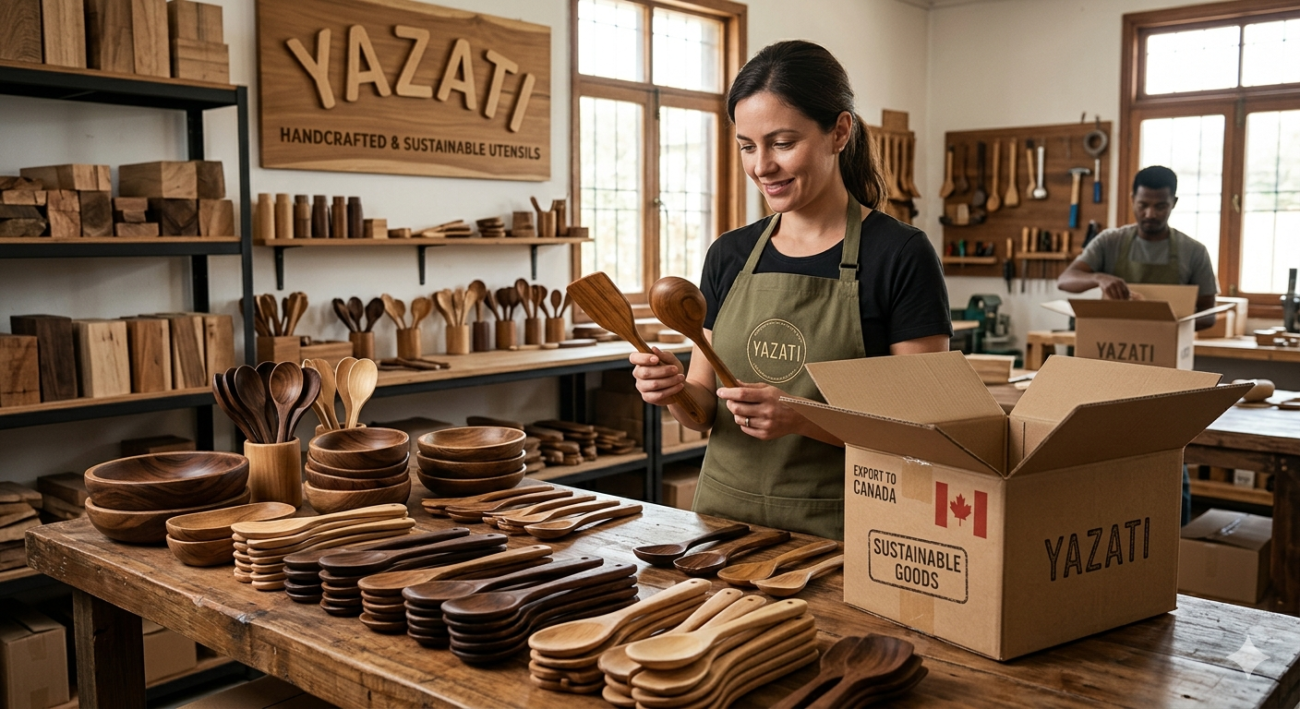
The global demand for eco-friendly kitchen products is growing faster than ever before. Among these products, sustainable wooden utensils have become a favorite choice for households, restaurants, cafes, and eco-conscious consumers. Canada, in particular, has emerged as one of the strongest markets for biodegradable kitchenware due to increasing environmental awareness and government policies against plastic waste.
Businesses involved in Sustainable Wooden Utensils Export to Canada are now seeing exciting opportunities for long-term growth. Canadian consumers are actively looking for products that are reusable, natural, safe, and environmentally responsible. This trend has opened doors for exporters from countries that manufacture wooden spoons, spatulas, forks, chopsticks, cutting boards, and serving utensils using sustainable materials.
In this detailed guide, you will learn everything about exporting sustainable wooden utensils to Canada, including market trends, certifications, regulations, logistics, pricing strategies, and marketing tips.
Introduction to the Canadian Eco-Friendly Kitchenware Market
Canada has become one of the world’s leading supporters of sustainable living. Consumers are increasingly replacing plastic products with biodegradable alternatives. Wooden utensils fit perfectly into this lifestyle because they are reusable, compostable, and aesthetically pleasing.
The Canadian kitchenware industry has experienced significant growth in the eco-friendly segment over the last few years. Restaurants, hotels, and retail chains are also adopting sustainable practices to improve their environmental image.
Several factors are driving this market:
- Government restrictions on plastic products
- Increased environmental education
- Demand for natural and toxin-free materials
- Growth of organic and sustainable lifestyles
- Rising popularity of zero-waste living
As a result, exporters can tap into a profitable and expanding market.
Why Sustainable Wooden Utensils Are in High Demand
Rising Environmental Awareness
Canadian consumers care deeply about sustainability. Many households now prefer products that reduce carbon footprints and minimize waste. Wooden utensils are biodegradable and renewable, making them an excellent replacement for plastic alternatives.
Social media campaigns and environmental organizations have also increased awareness about ocean pollution and plastic waste. This has encouraged buyers to shift toward eco-friendly kitchen products.
Ban on Single-Use Plastics
Canada has introduced policies aimed at reducing plastic pollution. Single-use plastic items such as cutlery and food service ware are gradually being restricted.
This creates a massive opportunity for exporters dealing in:
- Wooden forks
- Wooden spoons
- Wooden knives
- Bamboo chopsticks
- Wooden serving trays
- Eco-friendly stirrers
Businesses supplying sustainable products can benefit greatly from these regulations.
Understanding the Canadian Import Market
Before entering the market, exporters must understand Canadian consumer preferences and import patterns.
Consumer Preferences in Canada
Canadian buyers often prioritize:
- Sustainability
- Food safety
- Attractive packaging
- Product durability
- Ethical sourcing
- Non-toxic finishes
Consumers are willing to pay higher prices for premium eco-friendly products.
Popular Wooden Utensil Categories
The most in-demand products include:
| Product Type | Demand Level |
| Wooden Spoons | High |
| Bamboo Cutlery | Very High |
| Wooden Spatulas | High |
| Cutting Boards | Medium |
| Salad Servers | Medium |
| Wooden Chopsticks | High |
Bamboo products are especially popular because bamboo grows quickly and is considered highly sustainable.
Best Types of Sustainable Wood for Utensils
Choosing the right wood material is essential for export success.
Bamboo vs Hardwood
Bamboo
Advantages:
- Fast-growing
- Renewable
- Lightweight
- Durable
- Moisture resistant
Hardwood
Common hardwoods include:
- Maple
- Beech
- Teak
- Acacia
Advantages:
- Long-lasting
- Premium appearance
- Heat resistant
Both options are widely accepted in the Canadian market.
FSC-Certified Wood
Using FSC-certified wood improves trust and credibility. The Forest Stewardship Council (FSC) certification proves that the wood comes from responsibly managed forests.
Learn more about FSC certification here:
https://fsc.org
Many Canadian retailers prefer certified suppliers because sustainability standards are important in their purchasing decisions.
Sustainable Wooden Utensils Export to Canada: Key Regulations
Understanding Canadian import laws is essential to avoid delays and penalties.
CFIA Guidelines
The Canadian Food Inspection Agency (CFIA) regulates food-contact products. Wooden utensils must be safe for food use and free from harmful chemicals.
Products should:
- Avoid toxic coatings
- Meet hygiene standards
- Use food-safe finishes
Packaging and Labeling Requirements
Labels should clearly include:
- Country of origin
- Product material
- Importer information
- Care instructions
Eco-friendly packaging is highly recommended because Canadian consumers appreciate sustainable branding.
Food Safety Standards
Exporters should ensure products:
- Are free from contamination
- Do not contain unsafe adhesives
- Meet moisture-control standards
Laboratory testing may sometimes be required for commercial buyers.
Certifications That Improve Export Success
Certifications increase buyer confidence and help products stand out.
FSC Certification
FSC certification demonstrates sustainable forestry practices. It is one of the most recognized environmental certifications worldwide.
Benefits include:
- Improved market access
- Higher buyer trust
- Better retail opportunities
ISO Standards
ISO certifications help improve manufacturing quality.
Common standards:
- ISO 9001 for quality management
- ISO 14001 for environmental management
Eco-Friendly Packaging Certifications
Using recyclable or compostable packaging can boost sales significantly in Canada.
Popular eco-labels:
- Compostable packaging certification
- Recyclable material certification
- Carbon-neutral certifications
Step-by-Step Export Process
Exporting wooden utensils requires careful planning.
Product Sourcing
Choose reliable manufacturers that:
- Use sustainable wood
- Follow ethical labor practices
- Maintain quality consistency
Conduct factory audits whenever possible.
Quality Inspection
Quality inspections should check:
- Surface smoothness
- Moisture content
- Product durability
- Packaging quality
Third-party inspections can help avoid shipment disputes.
Logistics and Shipping
Shipping methods include:
- Sea freight for bulk orders
- Air freight for urgent deliveries
Most exporters use container shipping for cost efficiency.
Important shipping documents include:
- Commercial invoice
- Packing list
- Bill of lading
- Certificate of origin
Best Marketing Strategies for Canadian Buyers
Effective marketing helps exporters secure long-term clients.
B2B Platforms
Popular platforms include:
- Alibaba
- Global Sources
- TradeIndia
- Made-in-China
Professional product photos and certifications improve buyer trust.
Trade Fairs and Expos
Trade shows help exporters connect directly with distributors and retailers.
Popular Canadian trade events include:
- Restaurants Canada Show
- Grocery Innovations Canada
- Canadian Gift Association Market
Digital Marketing
Digital marketing strategies include:
- SEO-optimized websites
- LinkedIn networking
- Email marketing
- Social media advertising
Sharing sustainability stories can significantly improve brand engagement.
Pricing Strategies for Maximum Profit
Pricing plays a major role in export competitiveness.
FOB vs CIF Pricing
FOB (Free on Board)
Buyer handles shipping costs.
CIF (Cost, Insurance, Freight)
Exporter manages shipping and insurance.
Many Canadian importers prefer CIF pricing for convenience.
Bulk Order Discounts
Offering volume discounts encourages larger orders.
Example:
| Quantity | Discount |
| 1,000 units | 5% |
| 5,000 units | 10% |
| 10,000 units | 15% |
Competitive pricing combined with quality creates long-term partnerships.
Challenges in Exporting Wooden Utensils
Every export business faces challenges.
Shipping Delays
Global shipping disruptions can increase costs and delivery times.
Solutions:
- Work with experienced freight forwarders
- Maintain inventory buffers
- Use multiple shipping partners
Customs Clearance
Incorrect paperwork may cause customs delays.
Always ensure:
- Accurate HS codes
- Correct labeling
- Proper documentation
Currency Fluctuation
Exchange rates can affect profits.
Many exporters reduce risks by:
- Using forward contracts
- Pricing in stable currencies
- Negotiating flexible payment terms
Opportunities for Small and Medium Exporters
Small businesses can still compete successfully in Canada.
Advantages for SMEs:
- Ability to offer customized products
- Faster innovation
- Flexible production
- Unique handcrafted designs
Niche products such as engraved utensils, artisan kitchenware, and luxury eco-friendly gift sets are becoming increasingly popular.
E-commerce platforms also make it easier for smaller exporters to access Canadian buyers directly.
Future Trends in Eco-Friendly Kitchen Products
The future of sustainable kitchenware looks promising.
Key trends include:
- Minimalist kitchen products
- Plastic-free packaging
- Compostable utensils
- Smart eco-branding
- Personalized wooden kitchenware
Consumers are expected to continue supporting environmentally responsible brands.
Businesses investing in innovation and sustainability today will likely dominate the market in the future.
Frequently Asked Questions
1. Is Canada a good market for sustainable wooden utensils?
Yes. Canada has strong demand for eco-friendly products due to environmental awareness and restrictions on single-use plastics.
2. What certifications are important for exporting wooden utensils to Canada?
FSC certification, ISO standards, and food-safe compliance certifications are highly valuable.
3. Which wooden utensils sell best in Canada?
Wooden spoons, bamboo cutlery, spatulas, chopsticks, and cutting boards are among the top-selling products.
4. Are bamboo utensils better than hardwood utensils?
Bamboo utensils are lightweight and highly renewable, while hardwood utensils are more durable and premium-looking.
5. What is the biggest challenge in Sustainable Wooden Utensils Export to Canada?
Customs compliance, shipping costs, and maintaining consistent product quality are common challenges.
6. Can small businesses export wooden utensils to Canada successfully?
Absolutely. Small exporters can succeed by offering unique designs, sustainable packaging, and strong branding.
Conclusion
The market for Sustainable Wooden Utensils Export to Canada offers excellent growth opportunities for exporters who focus on quality, sustainability, and compliance. Canadian consumers increasingly prefer eco-friendly kitchenware that aligns with their environmental values.
Businesses that invest in certified sustainable materials, food safety standards, attractive branding, and efficient logistics can build long-term success in this growing market. From bamboo spoons to premium hardwood serving utensils, the demand for biodegradable kitchen products continues to rise steadily.
As sustainability becomes a global priority, exporters who adapt early and maintain strong environmental practices will gain a significant competitive advantage in the Canadian marketplace.
✨ Discover Global Sourcing Excellence with Netyex ✨
Netyex is your trusted B2B sourcing partner, connecting international buyers with India’s finest manufacturers and curated product lines—from handicrafts and home décor to kitchenware, textiles, hospitality essentials, and more. With verified suppliers and end-to-end support, we make global procurement seamless, reliable, and efficient.
👉 Elevate your sourcing experience—explore Netyex today.
📦 Bulk orders & customisation | 🌍 Worldwide delivery | 🤝 Trusted by global buyers
Visit Netyex to source premium Indian products with confidence.