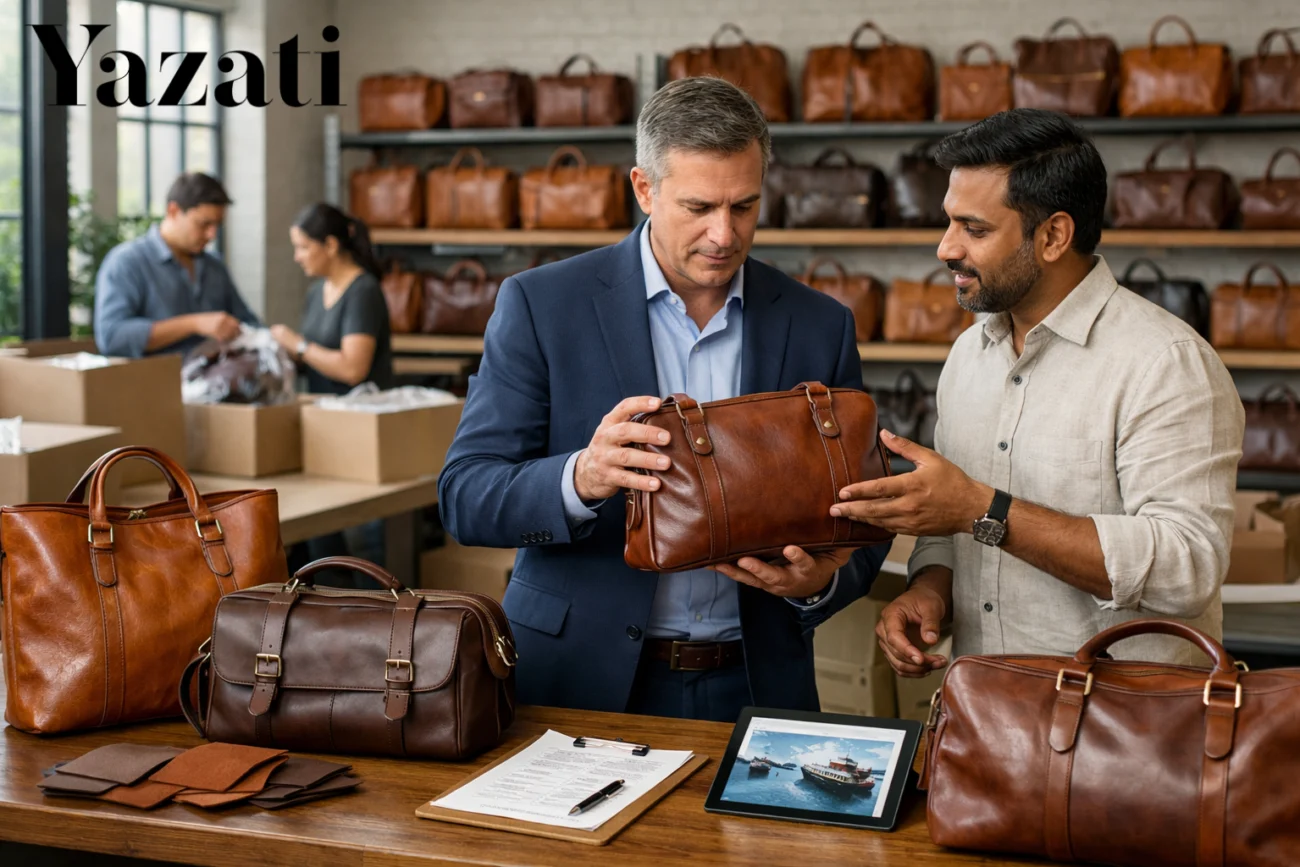
Introduction to Importing Leather Bags from India
Importing leather bags from India has become a highly profitable opportunity for businesses around the world. India is one of the largest producers and exporters of leather goods, especially high-quality leather bags. From luxury handbags to durable travel bags, Indian manufacturers offer a wide range of products at competitive prices.
This guide will walk you through everything you need to know about importing leather bags from India. Whether you are a small business owner, an e-commerce seller, or a large distributor, understanding the process can help you save money, reduce risks, and build a successful supply chain.
India has a long tradition of leather craftsmanship. Skilled artisans and modern factories combine traditional techniques with modern manufacturing methods to produce stylish and durable leather bags. Many international brands already source their leather products from India due to the country’s quality standards and cost advantages.
Another major benefit is product variety. Indian suppliers produce handbags, backpacks, office bags, duffel bags, travel bags, laptop bags, and fashion accessories. Importers can customize designs, materials, colors, and branding to meet their market needs.
However, importing products also requires careful planning. You must research suppliers, check quality standards, understand shipping logistics, and follow import regulations in your country.
In The Complete Guide to Importing Leather Bags from India, we will explore the entire process step by step. By the end of this guide, you will understand how to find reliable manufacturers, negotiate pricing, manage shipping, ensure quality control, and avoid common mistakes.
Why India Is a Global Hub for Leather Bag Manufacturing
India is one of the leading leather producers in the world. The country exports billions of dollars worth of leather products every year, including handbags and accessories.
Several factors make India a top sourcing destination for leather bags.
Abundant Raw Materials
India has a large supply of high-quality leather from cattle, buffalo, goat, and sheep. This availability ensures consistent production and competitive prices for manufacturers.
Skilled Craftsmanship
Leather bag manufacturing in India is supported by generations of skilled artisans. These craftsmen are experts in stitching, cutting, finishing, and designing leather products.
Competitive Manufacturing Costs
Compared to many Western countries, manufacturing costs in India are significantly lower. This allows importers to maintain healthy profit margins while offering affordable products.
Diverse Product Range
Indian manufacturers produce a wide range of leather bags, including:
- Fashion handbags
- Laptop bags
- Travel duffel bags
- Backpacks
- Messenger bags
- Tote bags
This variety makes it easier for businesses to create unique product collections.
Types of Leather Bags You Can Import from India
Importers have access to a wide variety of leather bags manufactured in India. Understanding these categories helps businesses choose products that match their target market.
Fashion Handbags
Fashion handbags are among the most popular leather products imported from India. These bags often feature stylish designs, premium leather, and decorative elements.
Laptop and Office Bags
Professional leather bags designed for office use are widely produced in India. They typically include padded laptop compartments and organized storage pockets.
Travel and Duffel Bags
Leather duffel bags are popular among travelers due to their durability and premium appearance. Many importers sell these products in luxury and lifestyle markets.
Backpacks
Leather backpacks are becoming increasingly popular for both fashion and utility purposes.
Messenger Bags
Messenger bags are commonly used by professionals and students. These bags combine style with practicality.
How to Find Reliable Leather Bag Manufacturers in India
Finding trustworthy manufacturers is one of the most important steps when importing leather bags.
Online B2B Marketplaces
Many importers start their search through online wholesale platforms where Indian suppliers showcase their products.
Trade Shows and Exhibitions
International trade fairs are excellent places to meet leather bag manufacturers face-to-face and inspect product quality.
Industry Associations
Leather industry associations often maintain directories of certified manufacturers.
Direct Factory Research
Some importers prefer to contact factories directly and request samples before placing bulk orders.
When evaluating suppliers, always consider:
- Production capacity
- Export experience
- Product quality
- Certifications
- Communication reliability
Understanding Leather Types Used in Indian Bags
Leather quality can vary significantly depending on the type used. Importers should understand these differences before placing orders.
Full-Grain Leather
Full-grain leather is the highest quality leather available. It is durable, natural-looking, and develops a rich patina over time.
Top-Grain Leather
Top-grain leather is slightly processed but still maintains excellent durability and appearance.
Genuine Leather
Genuine leather is more affordable but may not be as durable as full-grain leather.
Bonded Leather
Bonded leather is made from leather scraps and fibers. It is the least expensive option but also the least durable.
Choosing the right leather type depends on your product positioning and pricing strategy.
Step-by-Step Process for Importing Leather Bags
Understanding the import process helps avoid delays and costly mistakes.
Step 1: Market Research
Before importing, research your target market. Identify the styles, price ranges, and quality levels that customers prefer.
Step 2: Supplier Selection
Contact multiple manufacturers and request product catalogs and samples.
Step 3: Sample Evaluation
Samples allow you to inspect leather quality, stitching, finishing, and durability.
Step 4: Price Negotiation
Negotiate pricing based on order quantity, customization, and packaging requirements.
Step 5: Order Confirmation
Once pricing and product specifications are finalized, place your order and sign a purchase agreement.
Step 6: Production and Quality Check
Monitor production progress and arrange quality inspections before shipment.
Step 7: Shipping and Logistics
Choose the most suitable shipping method depending on order size and delivery deadlines.
Quality Control When Importing Leather Bags
Quality control is essential to protect your brand reputation.
Pre-Production Inspection
This inspection ensures that the manufacturer understands product specifications before production begins.
During Production Inspection
Inspectors verify that materials and processes meet your standards.
Pre-Shipment Inspection
Before the goods are shipped, inspectors check random samples to ensure quality consistency.
Key elements to inspect include:
- Leather quality
- Stitching strength
- Hardware durability
- Color consistency
- Packaging quality
Packaging and Branding Options
Custom packaging helps differentiate your products in competitive markets.
Popular branding options include:
- Embossed logos
- Metal brand plates
- Custom dust bags
- Premium gift boxes
- Private label tags
These elements can significantly enhance perceived product value.
Shipping Methods for Leather Bag Imports
Choosing the right shipping method depends on cost, speed, and order volume.
Air Freight
Air shipping is the fastest option but also the most expensive. It is suitable for urgent or small shipments.
Sea Freight
Sea freight is the most common shipping method for bulk orders. Although slower, it offers much lower costs.
Courier Services
Courier services are ideal for sample shipments and small orders.
Import Duties and Regulations
Every country has different import regulations for leather goods. Importers should research these requirements carefully.
Common documentation includes:
- Commercial invoice
- Packing list
- Bill of lading
- Certificate of origin
- Import license (if required)
Understanding these regulations helps prevent customs delays.
Pricing and Cost Calculation
When importing leather bags, the final cost includes several components.
Typical cost factors include:
- Product price
- Shipping charges
- Import duties
- Insurance
- Customs clearance fees
- Local transportation
Calculating these costs helps determine accurate profit margins.
Common Mistakes to Avoid When Importing Leather Bags
Many beginners make mistakes that can affect profitability.
Choosing Suppliers Only Based on Price
Low prices may indicate poor quality or unreliable suppliers.
Skipping Quality Inspections
Without inspections, defective products may reach your warehouse.
Ignoring Import Regulations
Failure to follow import rules can lead to shipment delays or penalties.
Poor Communication with Suppliers
Clear communication ensures that product specifications are understood correctly.
Benefits of Building Long-Term Relationships with Suppliers
Establishing strong partnerships with manufacturers can provide many advantages.
Long-term benefits include:
- Better pricing
- Priority production
- Consistent product quality
- Faster order processing
- Product customization opportunities
Reliable supplier relationships are one of the most valuable assets in the import business.
Frequently Asked Questions
Is India a good country for importing leather bags?
Yes. India is one of the largest leather producers in the world and offers high-quality products at competitive prices.
What is the minimum order quantity for leather bags from India?
Minimum order quantities vary by manufacturer but typically range from 50 to 300 pieces per design.
How long does it take to import leather bags from India?
Production usually takes 20–45 days, and shipping times depend on the transportation method.
How can I verify a leather bag supplier in India?
You can verify suppliers by requesting certifications, visiting factories, checking reviews, and ordering samples.
Are Indian leather bags genuine leather?
Many Indian manufacturers produce genuine and high-quality leather products, but it is important to confirm leather types before ordering.
What documents are required to import leather bags?
Common documents include invoices, packing lists, bills of lading, and certificates of origin.
Conclusion
Importing leather bags from India can be an excellent opportunity for entrepreneurs and businesses looking to build a profitable product line. With skilled craftsmanship, competitive manufacturing costs, and a wide range of products, India remains one of the best sourcing destinations for leather goods.
However, success in the import business depends on careful planning. Businesses must conduct proper supplier research, evaluate product quality, negotiate fair pricing, and manage shipping logistics effectively.
By following The Complete Guide to Importing Leather Bags from India, importers can minimize risks and maximize profits while building long-term partnerships with reliable manufacturers.
With the right strategy, importing leather bags can become a sustainable and highly rewarding business venture.
✨ Discover Global Sourcing Excellence with Netyex ✨
Netyex is your trusted B2B sourcing partner, connecting international buyers with India’s finest manufacturers and curated product lines—from handicrafts and home décor to kitchenware, textiles, hospitality essentials, and more. With verified suppliers and end-to-end support, we make global procurement seamless, reliable, and efficient.
👉 Elevate your sourcing experience—explore Netyex today.
📦 Bulk orders & customisation | 🌍 Worldwide delivery | 🤝 Trusted by global buyers
Visit Netyex to source premium Indian products with confidence.