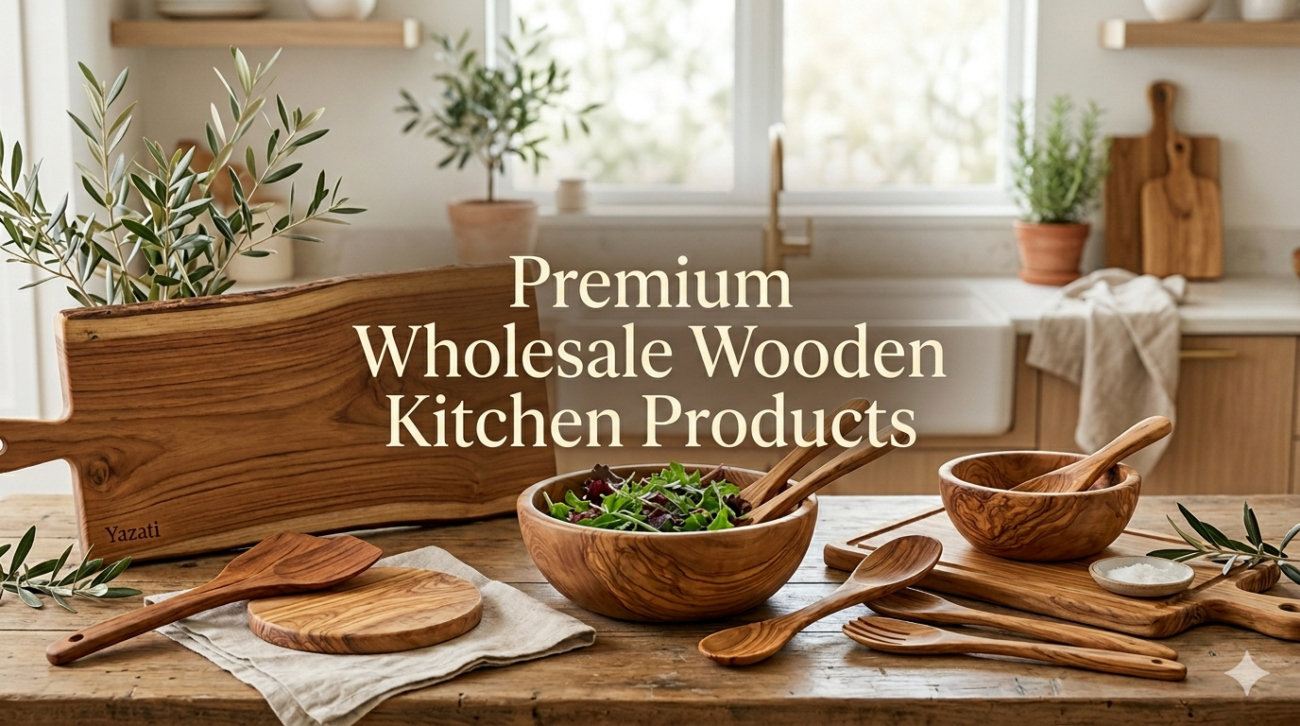
France is one of Europe’s most promising markets for eco-friendly and sustainable kitchenware. Businesses involved in Wholesale Wooden Kitchen Products Export to France can benefit from increasing consumer demand for environmentally responsible household products. French buyers are actively searching for wooden kitchen utensils, cutting boards, serving trays, and handcrafted kitchen accessories that combine functionality with sustainability.
The growing awareness of environmental issues, combined with the popularity of natural materials, has created strong opportunities for exporters worldwide. Understanding the French market, regulations, and buyer expectations is essential for building a successful export business.
Introduction to the French Wooden Kitchenware Market
France has a well-developed retail and hospitality industry that regularly imports kitchen products from international suppliers. Wooden kitchenware appeals to French consumers because it aligns with the country’s appreciation for craftsmanship, quality, and sustainability.
Restaurants, cafés, boutique stores, and home décor retailers often seek premium wooden kitchen products that offer both practicality and aesthetic appeal.
Why France Is an Attractive Export Destination
France ranks among the largest consumer markets in Europe. Its population values quality household goods and environmentally conscious products.
Growth of Sustainable Kitchen Products
Consumers are increasingly replacing plastic kitchenware with renewable alternatives. Wooden products are biodegradable, reusable, and often manufactured using sustainable forestry practices.
Key reasons for growing demand include:
- Environmental awareness
- Preference for natural materials
- Government sustainability initiatives
- Growth of eco-friendly retail stores
- Increasing demand for artisan products
Consumer Preferences in France
French consumers typically prefer:
- High-quality craftsmanship
- Natural wood finishes
- Sustainable sourcing
- Durable kitchen tools
- Elegant product designs
Products that combine functionality with attractive aesthetics tend to perform best in the French market.
Popular Wooden Kitchen Products Exported to France
Several categories consistently perform well in wholesale markets.
Wooden Spoons and Spatulas
Wooden spoons remain among the most commonly imported kitchen utensils. They are durable, safe for non-stick cookware, and highly valued by home cooks.
Popular options include:
- Cooking spoons
- Mixing spoons
- Slotted spoons
- Flat spatulas
- Serving utensils
Cutting Boards
Wooden cutting boards are highly sought after in France, particularly those made from:
- Acacia wood
- Beech wood
- Bamboo
- Rubberwood
- Teak wood
Premium finishing and food-safe coatings significantly enhance marketability.
Serving Trays
Wooden serving trays are commonly used in:
- Restaurants
- Hotels
- Cafés
- Luxury home décor stores
French consumers appreciate elegant and minimalist designs.
Wooden Bowls and Utensils
Handcrafted wooden bowls, salad servers, and serving accessories attract consumers seeking unique products with artisanal appeal.
Market Demand and Trends
Understanding trends helps exporters remain competitive.
Eco-Friendly Product Movement
Environmental sustainability is no longer a niche preference. It has become a mainstream purchasing factor influencing household buying decisions across France.
Consumers increasingly seek products that:
- Reduce plastic waste
- Support sustainable production
- Use renewable resources
- Have minimal environmental impact
Handmade and Artisan Products
French buyers often value authenticity. Handmade wooden kitchen products with distinctive craftsmanship can command premium pricing compared to mass-produced alternatives.
Quality Standards for Export
Quality compliance is essential when entering European markets.
European Union Product Requirements
Products must meet applicable EU regulations regarding:
- Consumer safety
- Material quality
- Product traceability
- Environmental standards
Exporters should maintain detailed production records and quality control procedures.
Food-Contact Safety Regulations
Kitchen utensils that come into contact with food must comply with food-safety requirements.
Important considerations include:
- Food-safe finishes
- Non-toxic coatings
- Safe adhesives
- Chemical compliance testing
Certification Requirements
Certifications increase buyer confidence and market acceptance.
FSC Certification
The certification from the Forest Stewardship Council demonstrates that wood originates from responsibly managed forests.
Benefits include:
- Stronger buyer trust
- Access to premium retailers
- Improved sustainability credentials
Sustainable Forestry Compliance
Many French importers actively request documentation proving sustainable sourcing practices.
Common documents include:
| Document | Purpose |
|---|---|
| FSC Certificate | Responsible forest management |
| Supplier Declaration | Source verification |
| Material Traceability Records | Supply chain transparency |
| Product Testing Reports | Safety compliance |
Packaging Requirements for France
Packaging plays an important role in product presentation and compliance.
Eco-Friendly Packaging
French retailers increasingly prefer:
- Recycled cardboard
- Plastic-free packaging
- Biodegradable materials
- Minimalist packaging designs
Labeling Standards
Labels should typically include:
- Product description
- Country of origin
- Material information
- Care instructions
- Importer details where required
Finding Buyers in France
A strong buyer network is essential for long-term export success.
Importers and Distributors
Target buyers include:
- Kitchenware importers
- Home décor wholesalers
- Hospitality suppliers
- Specialty retail distributors
Useful B2B platforms include:
Retail Chains and Online Marketplaces
Potential sales channels include:
- Amazon
- ManoMano
- Home décor retailers
- Gourmet kitchen stores
- Eco-friendly product shops
Pricing Strategy for Wholesale Exports
Pricing significantly impacts competitiveness.
Cost Calculation Methods
Include:
- Raw material costs
- Manufacturing costs
- Packaging expenses
- Inland transportation
- Freight charges
- Customs costs
- Distributor margins
Competitive Market Positioning
Position products according to:
- Premium quality
- Sustainability credentials
- Handcrafted appeal
- Bulk purchase advantages
Shipping and Logistics Considerations
Sea Freight vs Air Freight
| Method | Advantages | Best Use |
|---|---|---|
| Sea Freight | Lower cost | Large wholesale orders |
| Air Freight | Faster delivery | Urgent shipments |
| Courier Services | Convenient | Samples and small orders |
Customs Clearance Procedures
Exporters should prepare:
- Commercial invoice
- Packing list
- Bill of lading
- Certificate of origin
- Compliance documentation
Accurate paperwork reduces delays and customs issues.
Marketing Your Wooden Kitchen Products
Digital Marketing Techniques
Effective strategies include:
- Professional product photography
- SEO-focused product pages
- LinkedIn outreach
- Email marketing campaigns
- B2B marketplace listings
Trade Shows and B2B Platforms
Consider participating in major European trade fairs such as:
- Maison&Objet
- Ambiente
These events provide direct access to importers, wholesalers, and retailers.
Challenges and Solutions in Exporting
| Challenge | Solution |
|---|---|
| Regulatory compliance | Obtain certifications and testing reports |
| Market competition | Focus on quality and sustainability |
| Logistics costs | Consolidate shipments |
| Buyer acquisition | Use B2B platforms and trade shows |
| Price pressure | Offer value-added products |
Frequently Asked Questions
1. Is France a good market for wooden kitchen products?
Yes. France has strong demand for sustainable, eco-friendly, and high-quality kitchenware products.
2. Which wooden kitchen products sell best in France?
Cutting boards, wooden spoons, spatulas, serving trays, salad bowls, and serving utensils are among the most popular products.
3. Do I need FSC certification to export to France?
While not always mandatory, FSC certification is highly valued and often requested by importers.
4. What shipping method is best for wholesale exports?
Sea freight is generally the most cost-effective option for large wholesale shipments.
5. How can I find French buyers?
Use B2B marketplaces, trade shows, import directories, and direct outreach to distributors and retailers.
6. Are eco-friendly products popular in France?
Yes. Sustainability is a major purchasing factor for many French consumers and businesses.
Conclusion
The Wholesale Wooden Kitchen Products Export to France sector offers significant opportunities for manufacturers and exporters who prioritize quality, sustainability, and compliance. French consumers appreciate durable, environmentally responsible products that combine practical utility with attractive design. By understanding market trends, obtaining relevant certifications, building relationships with importers, and implementing effective marketing strategies, exporters can establish a profitable and long-lasting presence in the French market.
✨ Discover Global Sourcing Excellence with Netyex ✨
Netyex is your trusted B2B sourcing partner, connecting international buyers with India’s finest manufacturers and curated product lines—from handicrafts and home décor to kitchenware, textiles, hospitality essentials, and more. With verified suppliers and end-to-end support, we make global procurement seamless, reliable, and efficient.
👉 Elevate your sourcing experience—explore Netyex today.
📦 Bulk orders & customisation | 🌍 Worldwide delivery | 🤝 Trusted by global buyers
Visit Netyex to source premium Indian products with confidence.