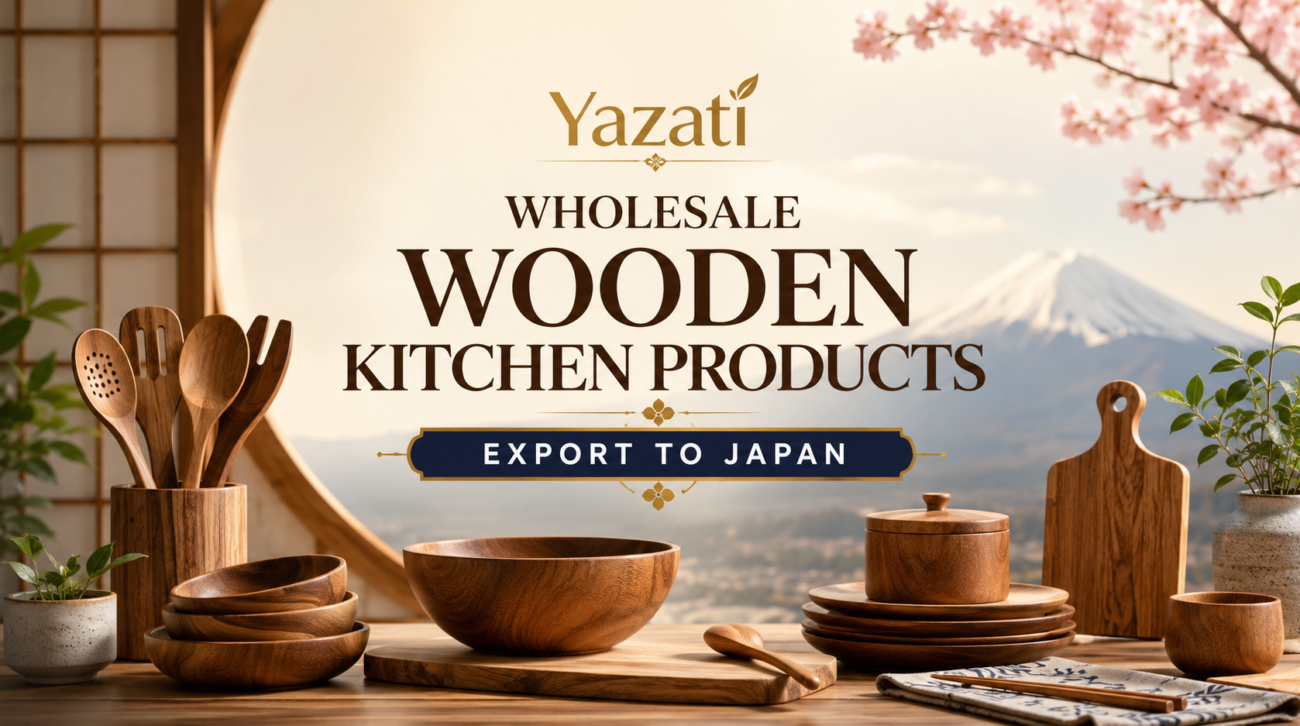
Japan is one of the world’s most attractive destinations for exporters of wooden kitchenware. The demand for sustainable, durable, and aesthetically pleasing kitchen products continues to rise as Japanese consumers increasingly value environmentally friendly products. For businesses involved in Wholesale Wooden Kitchen Products Export to Japan, understanding local preferences, quality standards, and business practices is essential for long-term success.
This guide explores everything exporters need to know about entering and growing in the Japanese market.
Understanding the Japanese Market for Wooden Kitchen Products
Japan has a sophisticated consumer market known for high standards and attention to detail. Wooden kitchen products are especially appreciated because they align with traditional Japanese values of craftsmanship, simplicity, and sustainability.
Consumer Preferences and Buying Behavior in Japan
Japanese consumers often prefer products that combine functionality with elegant design. They look for:
- Smooth finishes
- Natural wood grains
- Eco-friendly materials
- Durable construction
- Compact and practical designs
Products that demonstrate craftsmanship and attention to detail tend to perform exceptionally well.
Growth Trends in Eco-Friendly Kitchenware
Environmental awareness has increased significantly in Japan. Consumers are actively seeking alternatives to plastic products, creating strong demand for wooden kitchenware.
Popular eco-conscious products include:
| Product Type | Market Demand |
|---|---|
| Wooden spoons | High |
| Cutting boards | Very High |
| Serving trays | High |
| Wooden bowls | Medium to High |
| Kitchen organizers | Growing |
Why Japan Is a Valuable Export Destination
Japan remains one of Asia’s largest importers of premium household products.
Demand for Sustainable Wooden Kitchen Products
Wooden kitchen products offer several advantages:
- Renewable materials
- Lower environmental impact
- Attractive appearance
- Long product lifespan
These qualities align perfectly with Japanese consumer values.
Opportunities for International Suppliers
Many Japanese retailers and distributors actively source products from overseas manufacturers capable of maintaining strict quality standards.
Exporters can target:
- Department stores
- Home décor retailers
- Kitchen specialty shops
- Eco-friendly product chains
- Online marketplaces
Popular Wholesale Wooden Kitchen Products Exported to Japan
Certain categories consistently perform well in the Japanese market.
Wooden Cutting Boards
Cutting boards remain among the most imported wooden kitchen items.
Preferred characteristics include:
- Lightweight construction
- Natural antibacterial wood species
- Smooth edges
- Premium appearance
Wooden Utensils and Spoons
Japanese consumers appreciate handcrafted utensils that are:
- Comfortable to hold
- Durable
- Food-safe
- Elegant in design
Wooden Trays and Serving Boards
Serving products are widely used in Japanese households and hospitality businesses.
Popular materials include:
- Acacia
- Beech
- Rubberwood
- Bamboo
Wooden Bowls and Kitchen Accessories
Traditional aesthetics make wooden bowls particularly appealing. Accessories such as spice holders, utensil racks, and storage boxes also attract interest.
Quality Standards Required for the Japanese Market
Quality is often the deciding factor when Japanese buyers select suppliers.
Product Safety and Compliance Requirements
Products intended for food contact should meet food safety requirements and be free from harmful chemicals.
Key considerations include:
- Food-safe finishes
- Non-toxic adhesives
- Smooth sanding
- Moisture resistance
Material Selection and Finishing Standards
Japanese importers generally prefer:
- FSC-certified wood
- Uniform color
- Consistent grain patterns
- Precision craftsmanship
Even minor defects can affect purchasing decisions.
Packaging Requirements for Japanese Buyers
Packaging quality significantly influences buyer perception.
Minimalist Packaging Preferences
Japanese consumers often favor:
- Clean designs
- Clear labeling
- Functional packaging
- Professional presentation
Eco-Friendly Packaging Solutions
Sustainable packaging options include:
- Recycled cardboard
- Kraft paper wraps
- Biodegradable inserts
- Soy-based printing inks
These solutions enhance brand value while supporting environmental goals.
Key Certifications for Export Success
Certifications increase credibility and improve buyer confidence.
FSC Certification
The Forest Stewardship Council (FSC) certification demonstrates responsible sourcing practices.
Benefits include:
- Improved buyer trust
- Easier market entry
- Enhanced sustainability credentials
Food-Safe Coating Standards
Food-contact products should use approved coatings and finishes suitable for kitchen use.
Documentation should be available upon buyer request.
Finding Wholesale Buyers in Japan
Identifying reliable buyers is crucial for export growth.
Importers and Distributors
Many Japanese distributors specialize in:
- Household goods
- Kitchenware
- Eco-friendly products
- Hospitality supplies
Building partnerships with distributors can simplify market entry.
Retail Chains and Specialty Stores
Potential sales channels include:
- Lifestyle stores
- Kitchen boutiques
- Department stores
- Gift retailers
Online B2B Marketplaces
Useful platforms include:
- Alibaba
- Global Sources
- TradeKey
- JETRO business matching services
For additional market information, visit the official Japan External Trade Organization website: https://www.jetro.go.jp
Pricing Strategies for Competitive Exports
Pricing must balance competitiveness and profitability.
Cost Calculation and Profit Margins
Include:
- Raw material costs
- Labor expenses
- Packaging costs
- Freight charges
- Customs fees
- Marketing expenses
Market-Based Pricing Approaches
Research competitor pricing before entering the market.
Factors influencing pricing:
- Product uniqueness
- Material quality
- Certification status
- Brand reputation
Logistics and Shipping Considerations
Efficient logistics support customer satisfaction.
Sea Freight vs Air Freight
| Shipping Method | Advantages | Disadvantages |
|---|---|---|
| Sea Freight | Lower cost | Longer transit |
| Air Freight | Faster delivery | Higher cost |
Most wholesale shipments utilize sea freight for cost efficiency.
Customs Documentation Requirements
Typical export documentation includes:
- Commercial invoice
- Packing list
- Bill of lading
- Certificate of origin
- Phytosanitary documents (if required)
Accurate paperwork helps avoid delays.
Building Long-Term Relationships with Japanese Buyers
Business success in Japan depends heavily on trust and reliability.
Business Etiquette and Communication
Important practices include:
- Prompt responses
- Professional communication
- Respectful negotiations
- Consistent follow-up
Maintaining Consistent Product Quality
Japanese buyers value consistency above all else.
Implement:
- Strict quality control systems
- Product inspections
- Batch testing
- Continuous improvement processes
Marketing Wholesale Wooden Kitchen Products Export to Japan
Strong marketing increases visibility and credibility.
Digital Marketing and Trade Shows
Effective promotional channels include:
- B2B websites
- Trade exhibitions
- Industry directories
- Social media platforms
Trade fairs offer excellent networking opportunities.
Creating Japanese-Language Product Catalogs
Localized catalogs help buyers understand:
- Product specifications
- Material details
- Certifications
- Pricing structures
Professional translation can significantly improve buyer engagement.
Common Challenges and How to Overcome Them
Meeting Strict Quality Expectations
Solutions include:
- Enhanced inspections
- Skilled craftsmanship
- Standardized production procedures
Managing Currency and Supply Chain Risks
Risk mitigation strategies:
- Diversified suppliers
- Currency hedging
- Long-term contracts
- Inventory planning
Future Trends in Japan’s Wooden Kitchenware Industry
Sustainable Manufacturing Innovations
Growing emphasis on:
- Carbon-neutral production
- Recycled materials
- Renewable energy use
Premium Handmade Product Demand
Consumers increasingly seek:
- Artisan-crafted products
- Unique designs
- Limited-edition collections
- Authentic craftsmanship
Exporters that combine sustainability with premium quality are likely to see continued growth.
FAQs
1. Which wooden kitchen products are most popular in Japan?
Cutting boards, wooden spoons, serving trays, bowls, and eco-friendly kitchen accessories are among the most popular products.
2. Is FSC certification necessary for exporting to Japan?
While not always mandatory, FSC certification significantly improves buyer confidence and marketability.
3. What wood species are preferred by Japanese buyers?
Acacia, beech, bamboo, rubberwood, and sustainably sourced hardwoods are commonly preferred.
4. How can I find wholesale buyers in Japan?
Trade shows, distributors, importers, B2B marketplaces, and JETRO business matching services are effective channels.
5. What packaging style works best in Japan?
Minimalist, high-quality, and environmentally friendly packaging generally performs best.
6. What is the biggest challenge when exporting wooden kitchen products to Japan?
Maintaining consistently high quality standards is often the greatest challenge for exporters.
Conclusion
The market for Wholesale Wooden Kitchen Products Export to Japan presents substantial opportunities for manufacturers and exporters willing to meet Japan’s rigorous standards. Success depends on delivering superior quality, obtaining relevant certifications, understanding consumer preferences, and building strong relationships with buyers.
By focusing on sustainability, craftsmanship, reliable logistics, and professional communication, exporters can establish a strong presence in one of the world’s most rewarding kitchenware markets.
✨ Discover Global Sourcing Excellence with Netyex ✨
Netyex is your trusted B2B sourcing partner, connecting international buyers with India’s finest manufacturers and curated product lines—from handicrafts and home décor to kitchenware, textiles, hospitality essentials, and more. With verified suppliers and end-to-end support, we make global procurement seamless, reliable, and efficient.
👉 Elevate your sourcing experience—explore Netyex today.
📦 Bulk orders & customisation | 🌍 Worldwide delivery | 🤝 Trusted by global buyers
Visit Netyex to source premium Indian products with confidence.