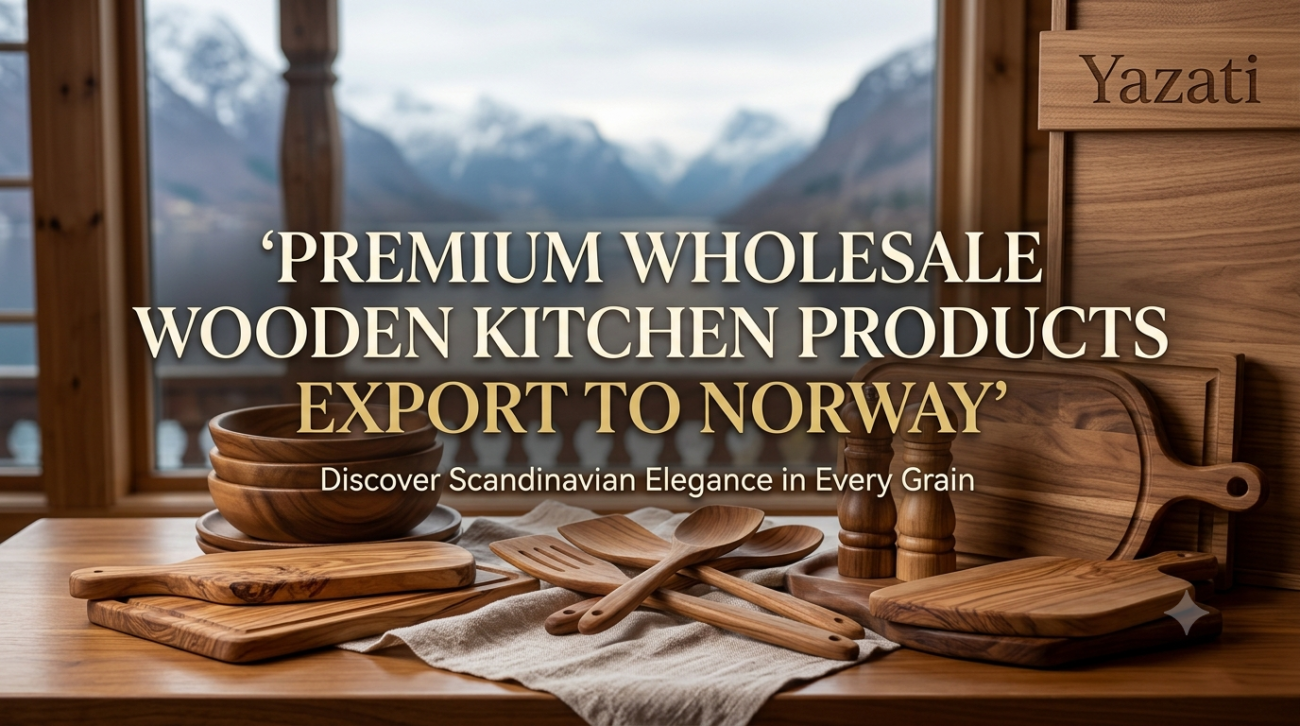
Norway has become an attractive destination for exporters of sustainable and eco-friendly kitchenware. The increasing preference for natural materials, environmentally responsible products, and premium home décor has created significant opportunities for manufacturers and exporters specializing in Wholesale Wooden Kitchen Products Export to Norway.
Indian manufacturers, in particular, have gained recognition for producing handcrafted wooden kitchenware using hardwoods such as acacia, mango wood, teak, neem, and sheesham. These products combine durability, functionality, and aesthetic appeal, making them highly desirable in Scandinavian markets.
Why Norway Is an Attractive Market
Norwegian consumers value:
- Sustainable products
- Eco-friendly packaging
- High-quality craftsmanship
- Natural materials
- Long-lasting kitchen accessories
- Ethical sourcing
Retailers, wholesalers, home décor stores, kitchen specialty shops, and online marketplaces continually seek reliable suppliers offering premium wooden kitchen products.
Popular Wooden Kitchen Products Exported to Norway
1. Wooden Cutting Boards
These remain one of the highest-demand products due to their durability and attractive grain patterns.
Examples include:
- Acacia cutting boards
- Mango wood chopping boards
- Teak cutting boards
- Serving boards
- Cheese boards
2. Wooden Serving Trays
Popular in Norwegian homes and restaurants.
Available styles include:
- Breakfast trays
- Decorative serving trays
- Tea trays
- Snack trays
- Rustic serving platters
3. Wooden Bowls
Ideal for:
- Salad bowls
- Fruit bowls
- Mixing bowls
- Decorative bowls
- Snack bowls
4. Wooden Spoons and Spatulas
Kitchen essentials include:
- Cooking spoons
- Spatulas
- Ladles
- Rice paddles
- Salad servers
- Butter spreaders
5. Wooden Kitchen Utensil Sets
These usually contain:
- Spoon
- Turner
- Spatula
- Fork
- Ladle
- Storage holder
6. Wooden Coasters and Trivets
Increasingly popular for home décor and gifting.
7. Wooden Rolling Pins
Especially suitable for:
- Home baking
- Professional kitchens
- Gift sets
8. Wooden Mortar and Pestle
Favored by consumers who enjoy traditional cooking.
Why Buyers Prefer Indian Wooden Kitchenware
Indian exporters offer several advantages:
| Advantage | Benefit |
|---|---|
| Skilled craftsmanship | Premium finish |
| Sustainable hardwood | Long product life |
| Competitive pricing | Better wholesale margins |
| OEM capability | Private labeling |
| Small MOQ options | Suitable for startups |
| Handcrafted appeal | Premium market positioning |
Wood Types Commonly Used
Manufacturers commonly use:
- Acacia Wood
- Mango Wood
- Teak Wood
- Neem Wood
- Sheesham Wood
- Rubber Wood
- Bamboo
Each wood type offers unique characteristics in terms of durability, appearance, and moisture resistance.
Norwegian Import Requirements
Before exporting, suppliers should ensure compliance with Norwegian and European regulations.
Key considerations include:
- Food-safe finishes
- Non-toxic coatings
- Moisture control
- Proper labeling
- Country of origin marking
- Sustainable sourcing documentation
Products intended for food contact should comply with applicable European food-contact material requirements.
Packaging Standards
Premium packaging increases buyer confidence.
Recommended packaging includes:
- Recyclable cartons
- Eco-friendly wrapping paper
- Barcode labels
- Product tags
- Care instructions
- Master cartons for export
Target Buyers in Norway
Potential customers include:
- Kitchenware wholesalers
- Home décor distributors
- Furniture retailers
- Hotel suppliers
- Restaurant suppliers
- Supermarket chains
- Boutique gift shops
- Online retailers
- Amazon sellers
- Private label brands
Pricing Strategy
Wholesale pricing depends on:
- Wood type
- Product size
- Design complexity
- Finish quality
- Quantity ordered
- Packaging requirements
- Private labeling
Competitive pricing combined with consistent quality often leads to long-term contracts.
Shipping Options
Common shipping methods include:
Sea Freight
Best for:
- Large orders
- Container shipments
- Lower transportation costs
Air Freight
Suitable for:
- Sample shipments
- Urgent orders
- Premium products
Documents Required for Export
Typical export documentation includes:
- Commercial Invoice
- Packing List
- Bill of Lading or Air Waybill
- Certificate of Origin
- Fumigation Certificate (when required)
- Insurance Documents
- Export Declaration
- Purchase Order
Marketing Tips for Exporters
To attract Norwegian buyers:
- Build a professional website.
- Highlight sustainability credentials.
- Showcase certifications.
- Offer OEM and private-label services.
- Use high-quality product photography.
- Participate in international trade fairs.
- Connect with buyers on B2B platforms.
- Maintain fast response times.
Challenges and Solutions
| Challenge | Solution |
|---|---|
| High competition | Focus on premium quality |
| Shipping costs | Optimize container loads |
| Quality expectations | Implement strict quality control |
| Packaging requirements | Use export-grade packaging |
| Sustainability demands | Source certified wood responsibly |
Frequently Asked Questions (FAQs)
1. Which wooden kitchen products are most popular in Norway?
Cutting boards, serving trays, wooden bowls, utensils, coasters, rolling pins, and salad servers are among the most popular products.
2. Is Norway a good market for wooden kitchenware exports?
Yes. Norwegian consumers generally value sustainable, high-quality, and aesthetically pleasing wooden kitchen products, making it a promising export market.
3. Which wood is best for kitchen products?
Acacia, teak, mango wood, sheesham, and bamboo are commonly used due to their durability and attractive appearance.
4. Can exporters provide private labeling?
Yes. Many manufacturers offer OEM and private-label services, including custom logos, packaging, and product designs.
5. What packaging is recommended for exports?
Eco-friendly, recyclable packaging with protective cushioning, product labels, and clear care instructions is recommended for international shipments.
6. How can exporters find buyers in Norway?
Potential buyers can be reached through B2B marketplaces, trade exhibitions, direct outreach to importers and retailers, industry associations, and digital marketing.
Conclusion
The market for Wholesale Wooden Kitchen Products Export to Norway continues to grow as consumers and businesses increasingly prioritize sustainability, quality, and timeless design. Exporters that offer durable products, responsible sourcing, compliance with European standards, and reliable logistics are well positioned to build lasting relationships with Norwegian importers. By combining competitive pricing with excellent craftsmanship and strong customer service, businesses can establish a successful presence in this expanding market.
For additional information on exporting to European markets and applicable regulations, refer to the European Commission’s trade resources: Access2Markets
✨ Discover Global Sourcing Excellence with Netyex ✨
Netyex is your trusted B2B sourcing partner, connecting international buyers with India’s finest manufacturers and curated product lines—from handicrafts and home décor to kitchenware, textiles, hospitality essentials, and more. With verified suppliers and end-to-end support, we make global procurement seamless, reliable, and efficient.
👉 Elevate your sourcing experience—explore Netyex today.
📦 Bulk orders & customisation | 🌍 Worldwide delivery | 🤝 Trusted by global buyers
Visit Netyex to source premium Indian products with confidence.