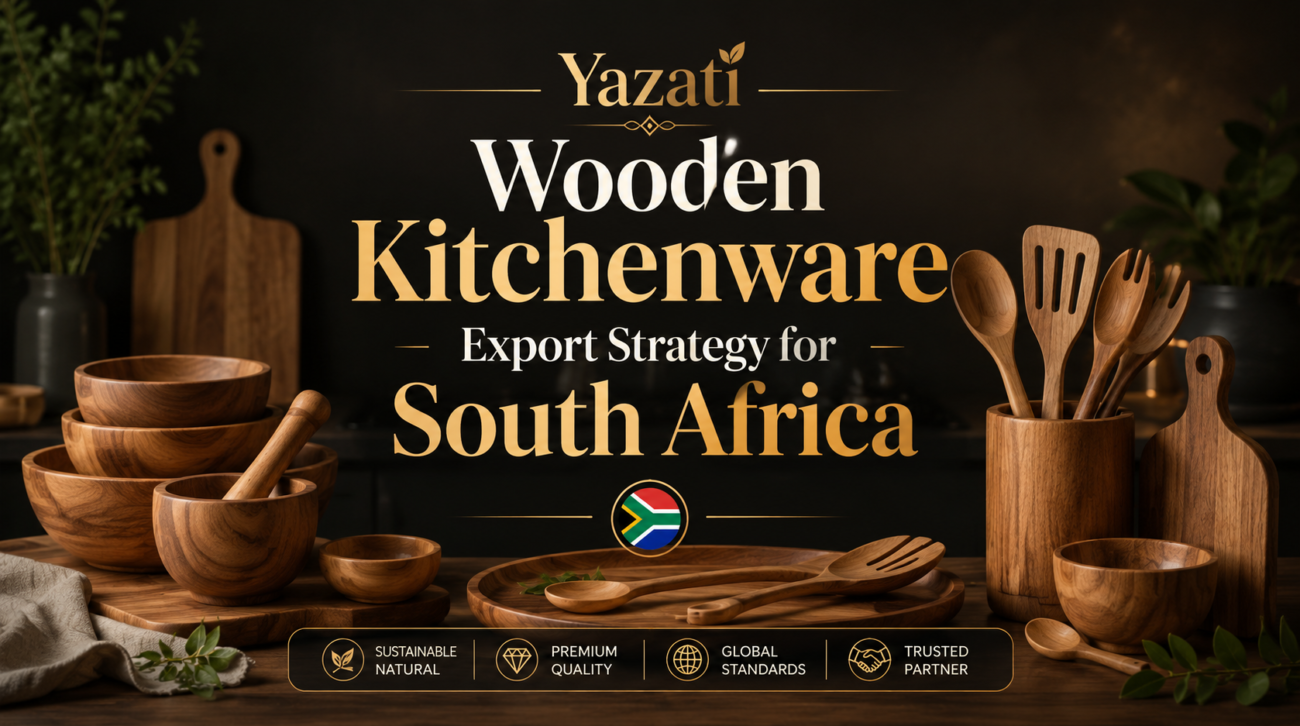
The global kitchenware market is changing quickly, and sustainable products are becoming more popular than ever before. Businesses across the world are looking for eco-friendly alternatives to plastic and metal kitchen tools. This growing demand creates a huge opportunity for exporters in South Africa. A well-planned Wooden Kitchenware Export Strategy for South Africa can help manufacturers, suppliers, and entrepreneurs build strong international businesses while supporting sustainable trade.
South Africa has excellent access to natural resources, skilled craftsmanship, and international trade routes. These advantages make it a promising hub for wooden kitchenware exports. From wooden spoons and chopping boards to salad bowls and serving trays, handcrafted products from South Africa can attract buyers from Europe, North America, Asia, and the Middle East.
In this guide, you’ll learn how to create a successful export strategy, understand international markets, improve product quality, manage logistics, and grow your global brand effectively.
Introduction to Wooden Kitchenware Export Strategy for South Africa
Exporting wooden kitchenware involves much more than simply manufacturing products and shipping them overseas. Businesses must understand global trends, regulations, packaging requirements, and customer preferences.
A strong export strategy helps businesses:
- Increase international sales
- Build long-term buyer relationships
- Reduce export risks
- Improve product positioning
- Enhance profitability
South Africa’s woodcraft industry has unique potential because many buyers now prefer handmade and environmentally friendly kitchen products.
Understanding the Global Demand for Wooden Kitchenware
The demand for sustainable household products continues to grow worldwide. Wooden kitchenware products are now viewed as stylish, eco-friendly, and durable alternatives to plastic.
Why Consumers Prefer Wooden Kitchenware
Consumers love wooden kitchenware for several reasons:
- Natural appearance
- Eco-friendly materials
- Safe for cookware surfaces
- Long-lasting durability
- Handmade craftsmanship
Wooden spoons, cutting boards, serving trays, and spice organizers are especially popular in modern kitchens.
Rising Demand for Eco-Friendly Kitchen Products
Many countries are reducing plastic usage through environmental policies. This shift increases opportunities for wooden kitchenware exporters.
Popular eco-conscious markets include:
- Germany
- Netherlands
- United States
- Canada
- Australia
- Japan
Consumers in these regions often pay premium prices for sustainable products.
Overview of South Africa’s Export Market
South Africa has strategic geographic advantages for export businesses. Its ports connect African producers with global markets efficiently.
Key Export Opportunities
The country can export:
- Handmade wooden utensils
- Bamboo kitchen tools
- Decorative serving boards
- Wooden storage containers
- Organic dining accessories
These products appeal strongly to luxury homeware retailers.
South Africa’s Trade Advantages
South Africa benefits from:
- Access to international shipping ports
- Skilled artisan labor
- Competitive manufacturing costs
- Growing sustainability initiatives
- Trade agreements with multiple countries
Organizations like World Trade Organization and African Continental Free Trade Area also support broader trade opportunities.
Market Research for Wooden Kitchenware Export
Strong market research is the foundation of any export strategy.
Identifying Target Countries
Businesses should focus on countries with:
- High purchasing power
- Eco-conscious consumers
- Growing home décor markets
- Strong eCommerce penetration
The best target markets often include:
| Country | Opportunity Level | Key Demand |
| Germany | High | Sustainable products |
| USA | Very High | Premium kitchenware |
| UK | High | Handmade wooden goods |
| UAE | Medium | Luxury home products |
| Australia | High | Eco-friendly imports |
Understanding Consumer Preferences
Consumer trends differ by region.
European buyers may prefer:
- Minimalist designs
- FSC-certified wood
- Natural finishes
American buyers may prefer:
- Rustic farmhouse styles
- Large cutting boards
- Personalized products
Premium vs Affordable Product Segments
Exporters should decide whether to target:
- Budget mass-market retailers
- Mid-range lifestyle brands
- Luxury handcrafted markets
Premium positioning often creates better profit margins.
Product Selection and Design Strategy
Choosing the right products is essential for export success.
Popular Wooden Kitchenware Products
Top-selling products include:
- Wooden spoons
- Chopping boards
- Serving trays
- Salad bowls
- Rolling pins
- Knife blocks
- Spice racks
Customization options can increase market appeal.
Sustainable Materials and Craftsmanship
Many buyers demand responsibly sourced materials.
Popular woods include:
- Bamboo
- Acacia
- Oak
- Teak
- Rubberwood
Using sustainable wood improves brand reputation and export potential.
Legal and Compliance Requirements
International trade requires careful compliance planning.
Export Documentation
Exporters typically need:
- Commercial invoices
- Packing lists
- Bill of lading
- Certificate of origin
- Export permits
Missing paperwork can delay shipments significantly.
Quality Certifications and Standards
Quality assurance builds buyer confidence.
Important certifications may include:
- FSC certification
- ISO standards
- Food-safe coating approvals
Eco Certifications and Food Safety Rules
Many countries require food-contact safety testing for kitchenware.
Businesses should review import standards through official trade resources like International Organization for Standardization.
For export guidance, businesses can also visit:
- https://www.trade.gov
- https://www.export.gov
Pricing Strategy for International Markets
Pricing directly affects competitiveness.
Cost Calculation Methods
Businesses must calculate:
- Raw material costs
- Labor costs
- Packaging expenses
- Freight charges
- Import duties
- Marketing costs
Accurate costing prevents financial losses.
Competitive Pricing Techniques
Effective strategies include:
- Bundle pricing
- Wholesale discounts
- Seasonal promotions
- Premium branding
Many exporters use value-based pricing rather than competing only on low costs.
Branding and Packaging Strategy
Strong branding helps products stand out internationally.
Building a Strong Export Brand
An effective export brand should communicate:
- Sustainability
- Quality craftsmanship
- Authentic South African heritage
- Durability
Brand storytelling can increase customer loyalty.
Sustainable Packaging Trends
Eco-friendly packaging is increasingly important.
Popular packaging materials include:
- Recycled cardboard
- Kraft paper
- Compostable wrapping
- Soy-based inks
Minimalist packaging designs are highly popular in Europe and North America.
Logistics and Supply Chain Planning
Reliable logistics ensure customer satisfaction.
Shipping and Freight Options
Common export shipping methods include:
| Shipping Method | Best For | Cost Level |
| Air Freight | Small urgent orders | High |
| Sea Freight | Bulk exports | Lower |
| Courier Services | Samples and prototypes | Medium |
Sea freight is usually most cost-effective for kitchenware exports.
Warehouse and Inventory Management
Exporters should maintain:
- Accurate stock records
- Safety inventory
- Quality inspections
- Supplier coordination
Modern inventory software can improve efficiency significantly.
Digital Marketing for Export Growth
Online visibility is critical for attracting global buyers.
SEO and Online Presence
Businesses should optimize websites for keywords such as:
- Wooden kitchenware supplier
- Eco-friendly kitchen tools
- Handmade kitchen accessories
SEO helps buyers discover suppliers through search engines.
B2B Platforms and Trade Portals
Popular export platforms include:
- Alibaba
- Global Sources
- Made-in-China
- TradeKey
Professional product photography improves conversions dramatically.
Social Media for International Buyers
Social media platforms help showcase craftsmanship and sustainability.
Best platforms include:
Visual storytelling works especially well for handmade products.
Partnership and Distribution Channels
Distribution partnerships can accelerate international growth.
Working with Importers and Retailers
Exporters can partner with:
- Home décor stores
- Kitchenware retailers
- Eco-lifestyle brands
- Online marketplaces
Reliable distributors can simplify market entry.
Trade Fairs and Networking
International trade shows create valuable business opportunities.
Important events include:
- Ambiente Frankfurt
- Maison & Objet Paris
- The Inspired Home Show Chicago
Trade fairs allow exporters to meet buyers face-to-face.
Risk Management in Export Business
Every export business faces risks.
Currency and Payment Risks
Businesses should protect against:
- Currency fluctuations
- Delayed payments
- Buyer defaults
Using secure payment methods like letters of credit reduces risk.
Political and Supply Chain Risks
Global supply chains can face disruptions due to:
- Political instability
- Shipping delays
- Port congestion
- Material shortages
Diversified suppliers improve resilience.
Financial Planning and Government Support
Export growth often requires financial support.
Export Financing Options
Common financing solutions include:
- Export loans
- Trade finance
- Invoice factoring
- Government grants
Strong financial planning improves business sustainability.
South African Export Assistance Programs
South African businesses may receive support from:
- Export promotion councils
- Trade development agencies
- Manufacturing grants
These programs help exporters compete internationally.
Future Trends in Wooden Kitchenware Exports
The industry continues evolving rapidly.
Smart Kitchenware Innovations
Future products may include:
- Ergonomic designs
- Smart storage features
- Multifunctional kitchen tools
Innovation increases competitive advantage.
Sustainability and Ethical Manufacturing
Consumers increasingly support ethical sourcing and fair labor practices.
Businesses that emphasize transparency can build stronger international reputations.
Frequently Asked Questions
1. Why is wooden kitchenware popular internationally?
Wooden kitchenware is eco-friendly, durable, stylish, and safer for cookware surfaces compared to plastic or metal tools.
2. Which countries import the most wooden kitchenware?
Major importers include the United States, Germany, United Kingdom, Canada, and Australia.
3. What certifications are needed for exporting wooden kitchenware?
Common certifications include FSC certification, food safety approvals, and ISO quality standards.
4. What is the best shipping method for wooden kitchenware exports?
Sea freight is generally the most affordable option for large export volumes.
5. How can South African exporters compete globally?
By focusing on sustainability, quality craftsmanship, strong branding, and efficient logistics.
6. Are eco-friendly products profitable in export markets?
Yes. Many consumers willingly pay premium prices for sustainable and ethically produced products.
Conclusion
A successful Wooden Kitchenware Export Strategy for South Africa requires careful planning, market research, quality control, branding, and logistics management. As global demand for sustainable kitchen products grows, South African exporters have a valuable opportunity to establish strong positions in international markets.
Businesses that focus on eco-friendly materials, premium craftsmanship, digital marketing, and customer trust can build profitable export operations for the long term. By understanding global consumer trends and maintaining high product standards, exporters can transform local craftsmanship into worldwide success.
✨ Discover Global Sourcing Excellence with Netyex ✨
Netyex is your trusted B2B sourcing partner, connecting international buyers with India’s finest manufacturers and curated product lines—from handicrafts and home décor to kitchenware, textiles, hospitality essentials, and more. With verified suppliers and end-to-end support, we make global procurement seamless, reliable, and efficient.
👉 Elevate your sourcing experience—explore Netyex today.
📦 Bulk orders & customisation | 🌍 Worldwide delivery | 🤝 Trusted by global buyers
Visit Netyex to source premium Indian products with confidence.